


Biocidin® is a botanical dietary supplement used by some holistic and functional medicine clinicians to support microbial balance. Biocidin for IBS may be most relevant when symptoms occur alongside SIBO or another specific microbial concern. Early findings point to a promising role as a targeted microbiome support tool within personalized care, although its effects on irritable bowel syndrome (IBS) itself remain under study.
What Is Biocidin?
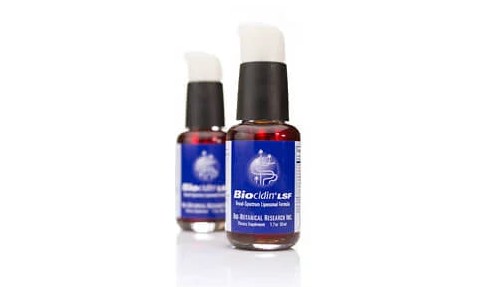
Biocidin combines plant extracts and essential oils with shiitake mushroom extract in a proprietary formula. The manufacturer positions the Biocidin supplement for microbiome and digestive health support (1).
This article focuses on gut health and IBS. For a complete ingredient list, product form comparison, dosing information, and broader Biocidin uses, read the hol+ Biocidin review.
How IBS and Microbial Imbalance May Overlap
Irritable bowel syndrome is a disorder of gut-brain interaction marked by recurring abdominal pain and changes in bowel movements. Depending on the pattern, a person may have IBS with constipation, IBS with diarrhea, or a mixed form. IBS causes symptoms without the visible digestive tract damage associated with conditions such as inflammatory bowel disease (2).
Research into the relationship between the microbiome and IBS suggests that microbial changes may affect digestion and signaling among the gut, immune system, and nervous system. Researchers have not found one microbial signature shared by everyone with IBS, and the direction of cause and effect remains unclear (3).
Dysbiosis is a broad term for a disruption in microbial composition or function, not a single diagnosis. Small intestinal bacterial overgrowth (SIBO) is a separate condition involving excess bacteria in the small intestine. Their symptoms may overlap with IBS, but the conditions are not interchangeable. Many people with IBS do not have SIBO.
Can Biocidin Help With IBS?

Potential Biocidin benefits are most relevant when IBS symptoms overlap with a documented or strongly suspected microbial pattern. Interest in Biocidin gut health support comes from early human SIBO findings and laboratory research.
A small open-label study enrolled 16 adults with lactulose-breath-test-confirmed SIBO. All followed a 10-week regimen containing Biocidin Liquid and G.I. Detox+. Participants who remained breath-test positive could continue for four more weeks with Olivirex added. By week 10, some participants with hydrogen- or hydrogen-sulfide-positive tests had negative results. Researchers also reported increases in the relative abundance of several bacterial species associated with short-chain fatty acid production (4).
These results offer an early clinical rationale for targeted digestive health support. The study was small, had no placebo group, used several supplements, and was funded by Biocidin Botanicals. It cannot isolate Biocidin’s contribution or establish that the regimen relieves IBS.
Laboratory research found that concentrated Biocidin, beginning at 25% under the tested conditions, reduced viability within mature biofilms formed by several bacterial and yeast species. Those concentrations are unlikely to be reached in the gastrointestinal tract through recommended oral use, and the study did not assess people with IBS (5).
As Dr. Taz Bhatia explains, “Biocidin is a useful microbiome support tool, especially when IBS may be driving patients symptoms like bloating, gas, cramping, diarrhea, or constipation. It may help support microbial balance and address biofilms when those symptoms are related to SIBO or gut dysbiosis, rather than IBS itself.”
Common IBS Symptoms and What a Clinician May Evaluate
Similar IBS symptoms can arise through different physiological pathways. A clinician may consider the following areas while also looking for signs that point away from IBS.
| IBS symptom | Areas that may be evaluated |
| Bloating | Food fermentation, gut sensitivity, or possible SIBO |
| Diarrhea | Faster intestinal transit, dietary triggers, or another digestive condition |
| Constipation | Slower transit, medication effects, or pelvic-floor dysfunction |
| Gas | Swallowed air or fermentation of certain carbohydrates |
| Abdominal pain or discomfort | Visceral hypersensitivity and altered gut-brain signaling |
Symptoms alone cannot diagnose dysbiosis or SIBO. Evaluation may be needed to distinguish IBS from celiac disease, inflammatory bowel disease, infection, or another source of persistent digestive symptoms.
The Gut-Brain Connection in IBS
“When the gut microbiome is imbalanced, it may affect fermentation, gas production, gut barrier function, immune signaling, motility, and even pain sensitivity. This helps explain why IBS symptoms can look so different from person to person.”
The gut and brain communicate in both directions through neural, hormonal, and immune pathways (3). Stress physiology may change bowel movement patterns or heighten visceral sensitivity. At the same time, recurring digestive symptoms can increase vigilance and stress around food, travel, or daily routines.
This relationship is one reason a whole-person plan may address nervous-system regulation and stress resilience alongside digestion. It does not mean IBS is “all in the head.”
How hol+ Approaches IBS Through a Root-Cause Lens

Functional medicine for IBS begins by mapping the individual symptom pattern instead of centering care on one supplement.
Comprehensive IBS Evaluation
The clinical conversation maps pain, stool patterns, symptom timing, prior care, and warning signs. The clinician can then identify areas that warrant closer evaluation.
Diagnostics Selected for Clinical Need
Testing follows the patient’s history and symptoms. Testing may help rule out another condition or investigate a specific concern raised by the patient’s history. Published IBS guidance supports a symptom-directed diagnostic approach rather than broad testing for every patient (6). Learn more about how hol+ evaluates gut function.
Personalized Treatment Planning
A holistic IBS treatment plan may combine nutrition changes, motility support, conventional treatment, mind-body care, or targeted supplementation. Biocidin may be considered when the findings suggest a microbial target and its ingredients are appropriate for the patient.
Ongoing Gut-Health Support
Follow-up allows the care team to track pain, bowel habits, food tolerance, and treatment response. The plan can then change as the patient’s needs and clinical findings evolve. This whole-body framework allows the plan to evolve without assuming that one protocol fits everyone.
Using Biocidin Safely
Biocidin is not appropriate for every patient. The liquid formula contains black walnut hull and leaf, and the manufacturer does not recommend it during pregnancy. Nursing patients and people taking medication or managing a medical condition are advised to consult a physician (7). Goldenseal can alter medication processing, while garlic supplements may raise bleeding risk for people using anticoagulants or aspirin and before surgery (8,9).
A clinician can review the exact product, allergies, current medications, and health history before use.
FAQs
Can Biocidin help IBS symptoms?
Biocidin may be considered for selected patients when IBS-like symptoms occur alongside SIBO or another specific microbial concern. Current research does not establish it as a direct or stand-alone IBS treatment.
Can microbial imbalance contribute to IBS?
Microbial changes may interact with fermentation, motility, immune activity, gut-barrier function, and pain signaling. The relationship varies by person, and microbial imbalance cannot be diagnosed from symptoms alone.
Can functional medicine help IBS?
A functional approach uses the patient’s IBS subtype and broader clinical picture to shape an individualized plan. This may build on established IBS care through dietary and lifestyle changes, with supplements added when appropriate.
Persistent digestive symptoms deserve a personalized evaluation. Schedule an appointment with hol+ to discuss possible contributors and develop a care plan suited to your digestive health.
The contents of this website, such as text, graphics, images, and other material contained on this website (“Content”), are for informational purposes only. The Content is not intended to be a substitute for professional medical advice, diagnosis, or treatment. Review the hol+ medical disclaimer.