
Starting at $299 for wellness visits
PHYSICIAN-LED FUNCTIONAL MEDICINE
Thyroid Disorders
Thyroid health affects how the body produces energy, regulates metabolism, responds to stress, and maintains hormone balance. When thyroid function is disrupted, symptoms can appear throughout the body.
hol+ supports patients with diagnosed or suspected thyroid disorders through a functional and integrative medicine approach. Instead of looking at thyroid-stimulating hormone (TSH) alone, our physician-led team evaluates the broader patterns that may contribute to thyroid imbalance, from inflammation and nutrient status to stress and gut health.
If you are dealing with fatigue, weight changes, brain fog, hair loss or thinning, cold intolerance, anxiety, or mood changes, hol+ can help you look deeper. Our systems-based approach to thyroid disorder treatment focuses on root causes, comprehensive testing, and personalized treatment designed around your body.
What Is Thyroid Health?
The thyroid is a small butterfly-shaped gland in the neck that produces hormones involved in metabolism, energy, temperature regulation, digestion, mood, and cognitive clarity.
Healthy thyroid function depends on several processes working together. The brain signals the thyroid through thyroid-stimulating hormone (TSH). The thyroid produces hormones, including T4 and T3. Most of the hormone produced is T4, which is converted throughout the body into the more active hormone T3—a process known as thyroid conversion.
Thyroid health is not only about the gland itself. Thyroid hormone imbalance can be shaped by immune activity, inflammation, nutrient status, stress physiology, and broader hormone patterns.
Thyroid disorders can develop when the gland produces too little hormone, produces too much, or becomes affected by autoimmune activity. Some patients have clear lab abnormalities, while others have signs and symptoms that suggest thyroid imbalance even when basic testing does not explain the full picture.
A functional medicine thyroid evaluation looks at the context of the whole body
Who It’s For
Thyroid care at hol+ is designed for patients with symptoms that may point to disrupted thyroid function or a diagnosed thyroid disorder.
Many patients come to hol+ after being told their thyroid labs are normal, even though they still feel tired, foggy, cold, anxious, achy, or unlike themselves. Others have a known thyroid disorder or borderline lab patterns and want a more comprehensive treatment plan.
You may benefit from working with a thyroid doctor if you experience:

Persistent fatigue or low stamina
Brain fog or difficulty focusing
Weight changes or difficulty losing weight

Hair thinning, shedding, or breakage

Cold or heat intolerance

Anxiety, irritability, or depression

Constipation or changes in digestion

Palpitations, tremors, or internal restlessness

Sleep disruption
Abnormal thyroid labs or antibody patterns

Muscle weakness, achiness, or slow recovery
Thyroid symptoms can overlap with hormone imbalance, stress, perimenopause, metabolic dysfunction, gut imbalance, and autoimmunity. hol+ evaluates the full pattern, so care is not based on one symptom or one lab value alone.
Book a 15 Min Consultation
How We Help
Root Causes We Address
Thyroid imbalance may develop from multiple drivers. A root-cause approach looks at the deeper patterns that may be disrupting thyroid hormone production, conversion, immune balance, and metabolic health.
Root causes we may evaluate include
A family history of thyroid disease may also be relevant, especially when Hashimoto’s thyroiditis, Graves’ disease, or other autoimmune patterns are present in close relatives.
hol+ Approach Framework
hol+ views thyroid health as part of a larger biological system. The thyroid communicates with the brain, gut, immune system, metabolism, stress-response pathways, and reproductive hormones. When one system becomes dysregulated, thyroid symptoms may become harder to resolve.
Our framework may include evaluation of:
Thyroid Hormones
We review thyroid hormone production, symptoms, medication history, and lab patterns.
When clinically appropriate, thyroid testing may look beyond TSH to include free T4, free T3, reverse T3, and thyroid antibodies such as TPO antibodies.
Metabolism
The thyroid and metabolism are closely connected. Thyroid hormones help regulate how the body uses energy.
manages temperature, responds to food, and supports cellular function.
Gut Health
Gut health can influence nutrient absorption, inflammation, immune regulation, and hormone metabolism.
Digestive patterns may also affect how well the body absorbs thyroid-supportive nutrients.
Immune Health
Hashimoto's thyroiditis and Graves' disease are autoimmune thyroid disease patterns.
In these cases, care may include evaluation of autoimmunity, inflammation, digestion, stress, and nutrient status.
Inflammation
Inflammation can affect thyroid hormone signaling, thyroid conversion, immune activity, and metabolic resilience.
hol+ evaluates inflammatory patterns as part of whole-body care.
Stress Physiology
Chronic stress can influence cortisol rhythm, sleep, blood sugar balance, digestion, and thyroid hormone conversion.
Supporting the stress response may be part of your personalized thyroid treatment.
Book a 15 Min Consultation
What we Offer
hol+ Services for Thyroid Health
Thyroid and Metabolism
Thyroid imbalance can shift metabolism in either direction. Low thyroid function may create a slowed-down pattern, while overactive thyroid function may leave the body feeling overstimulated, affecting energy, temperature regulation, mood, digestion, sleep, and weight. hol+ evaluates thyroid and metabolism together because thyroid disorder treatment often requires more than responding to a single lab value.
Care may include evaluation of:
- Blood sugar and insulin patterns
- Weight issues
- Energy crashes or low stamina
- Nutrient markers that affect metabolism
- Exercise recovery and body composition changes
Thyroid and Gut Health
Digestion can influence thyroid health through nutrient absorption, immune signaling, and inflammation. When the digestive system is not functioning well, patients may have a harder time absorbing nutrients that support healthy thyroid function. Thyroid imbalance may also affect digestive rhythm, especially when metabolism slows or becomes overstimulated
Care may include evaluation of:
- Digestive symptoms that overlap with thyroid symptoms
- Nutrient absorption concerns
- Food sensitivity patterns
- Microbiome or inflammatory patterns
- The connection between digestion and thyroid disease
Thyroid and Inflammation
Inflammation can influence thyroid conversion and the way thyroid hormones signal throughout the body. When thyroid antibodies are present, as they may be in Hashimoto’s thyroiditis or Graves’ disease, the clinical picture often involves immune activity as well as thyroid function. Thyroid care may connect naturally with inflammation support when symptoms or labs suggest immune activation.
Care may include evaluation of:
- Thyroid antibodies
- Autoimmune thyroid disease patterns
- Inflammatory markers when appropriate
- Diet and lifestyle factors that may influence inflammation
- Gut or stress patterns that may affect immune activity
Thyroid and Hormone Balance
Thyroid function can affect cycle patterns, fertility, mood, weight, and metabolic health. Other hormones can also shape thyroid signaling, which is why symptoms may reflect a broader endocrine pattern. Care may connect with hormone imbalance and hormone balancing services when broader endocrine support is needed.
Care may include evaluation of:
- Menstrual cycle changes or fertility concerns
- Perimenopause-related symptom patterns
- Cortisol and stress-response patterns
- Insulin resistance or blood sugar shifts
- Symptoms that overlap with thyroid hormone imbalance
Thyroid and Stress Physiology
Long-term stress can place extra demand on the systems that support thyroid function, including recovery, blood sugar regulation, and immune balance. A thyroid care plan may include support for the nervous system when symptoms suggest the body is staying in a high-alert state.
Care may include evaluation of:
- Sleep quality and recovery patterns
- Stress load and cortisol rhythm
- Anxiety, burnout, or nervous system strain
- Blood sugar changes during stress
- Daily habits that affect recovery and resilience
Targeted Interventions
Thyroid treatment at hol+ is not based on a generic protocol. Your plan is shaped by your symptoms, labs, medical background, and goals for care. The goal is to understand what your body needs and adjust care over time.
Targeted interventions may include:
- Comprehensive thyroid testing
- Nutritional therapy
- Autoimmune support
- Inflammation support
- Gut health support
- Stress physiology support
- Supplement protocols
- Lifestyle medicine
- Medication review and coordination
- Ongoing monitoring
A full thyroid panel may look beyond TSH to evaluate thyroid hormone levels, conversion patterns, and thyroid antibodies when appropriate. Depending on your symptoms and history, hol+ may also review nutrient status, inflammation, hormone patterns, or digestion.
Nutritional support is personalized around your treatment needs. This may include thyroid-supportive nutrients such as selenium, zinc, iodine, and vitamin D, along with food strategies that support blood sugar balance and help reduce inflammatory triggers.
Treatment options
Holistic Health Planned Around You
Functional Medicine
Functional medicine thyroid care looks for the drivers behind thyroid symptoms. This may include evaluating the factors that influence thyroid function, such as autoimmunity, inflammation, thyroid conversion, nutrient status, gut health, stress, and metabolic patterns.
Nutritional Therapy
Nutrition supports thyroid hormone production, metabolic health, digestion, immune regulation, and inflammation balance. Through nutrition counseling, patients may receive guidance based on symptoms and health goals.
Lifestyle Medicine
Lifestyle medicine may focus on daily rhythms that shape thyroid health, including sleep, movement, recovery, stress patterns, and meal timing.
Acupuncture
Acupuncture may be used as part of an integrative care plan to support stress regulation, nervous system balance, and whole-body wellness.
Hormone Support
Thyroid symptoms often overlap with broader endocrine patterns, including cortisol, insulin, and sex hormone changes. hol+ evaluates thyroid health in the context of the broader endocrine system.
Mind-Body Medicine
Mind-body medicine may support patients whose thyroid symptoms are connected with chronic stress, burnout, sleep disruption, or nervous system dysregulation
Not sure where to start?
Schedule your free 15-minute consultation and we'll help you find the right path.
Schedule a 15 Minute Consultation ➞
Benefits of Treatment
Why holistic treatment matters
Thyroid disorder treatment should be individualized and medically guided. While results vary, patients often seek holistic thyroid care to support
Steadier energy and focus

Improved digestive rhythm
Better metabolic function
Stronger stress resilience
Better sleep and recovery
Treatment should help you understand how thyroid function fits into your full health picture and support the systems that help you feel and function better
Risks and Considerations
Thyroid disorders require careful medical evaluation because thyroid hormones have a large influence on overall health. At hol+, thyroid care is personalized and monitored over time.
Important considerations include:
TSH is useful, but it may not explain the full thyroid picture
Medication changes should always be guided by a qualified clinician
Thyroid nodules should be evaluated and monitored appropriately
Thyroid-like symptoms may also come from another medical condition, including hormone, metabolic, digestive, nutrient, or stress-related disorders
Sudden or severe symptoms should be evaluated promptly, especially when they involve the neck, breathing, swallowing, heart rhythm, pregnancy, or unexplained weight loss
What to Expect as a Patient
The hol+ Patient Journey
Thyroid care at hol+ follows a structured process designed to move from deeper evaluation to personalized support.
Holistic and functional medicine operate from a different framework than traditional symptom-driven care. Rather than addressing health concerns in isolation, systems-based medicine evaluates how multiple physiological systems interact.
The human body functions as an integrated network. Hormonal signaling influences metabolism. Gut health affects immune function. Stress physiology alters inflammation, sleep, and metabolic balance. When one system becomes dysregulated, ripple effects can appear across many others.
Functional medicine focuses on identifying the system-level drivers behind symptoms. At hol+, clinicians evaluate health through a lens that distinguishes signal from static. Symptoms are viewed as signals that reflect deeper physiological patterns.
To understand these patterns, the clinical team may assess:
Hormone health and endocrine signaling
Metabolic function and energy regulation
Stress physiology and nervous system balance
Nutrient status and metabolic cofactors
Environmental exposures that influence immune or metabolic function
This framework reflects what hol+ refers to as the human health operating system—the network of biological processes that coordinate energy, immunity, and recovery. When this system operates in balance, the body can maintain resilience. When disruptions accumulate, symptoms may begin to appear.
Through systems-based medicine, a holistic doctor in Atlanta can evaluate these interconnected processes and identify where intervention may support improved function.
The first step involves a comprehensive health evaluation designed to map symptoms and health history.
This assessment may include:
- Detailed medical history review
- Symptom mapping
- Lifestyle and environmental analysis
The goal is to identify patterns that may influence system-level health.
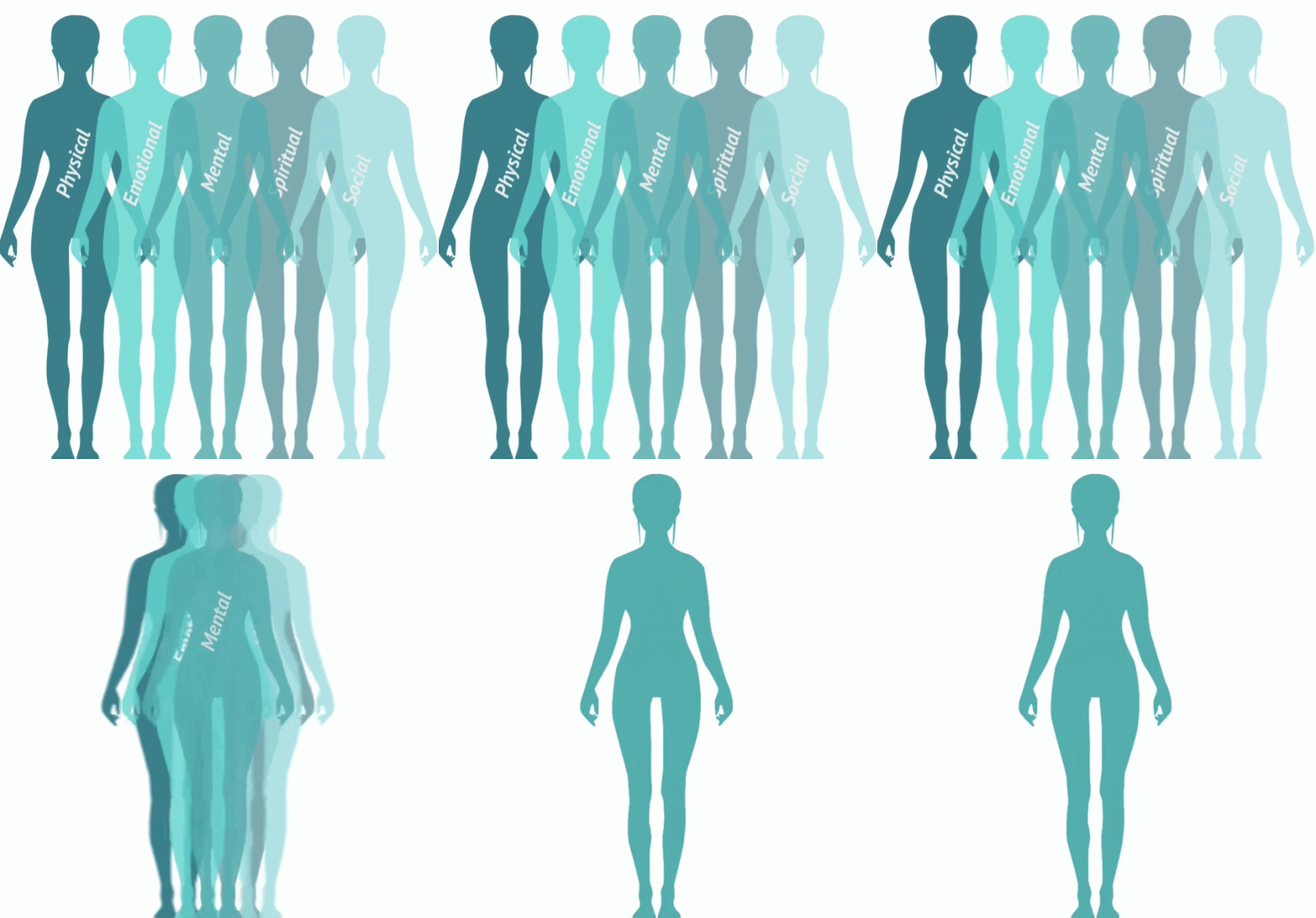
Using our proprietary 5 Body Map framework — Stress Engine, Processing System, Rhythm System, Defense System, and Power System — we map every system contributing to your metabolic challenge and design your personalized PowerRx protocol. Following evaluation and testing, physicians develop a personalized treatment strategy designed to support system-level health.
Care plans may include:
- Targeted nutrition strategies
- Lifestyle interventions
- Supplement protocols
- Integrative therapeutic approaches
Because every individual has unique biological drivers, treatment plans are designed around the patient’s health history and physiology.
Four to eight weeks of targeted interventions — gut healing, hormone optimization, anti-inflammatory protocols — to prepare your body for maximum medication response.
Monthly physician check-ins, quarterly labs, body composition tracking, and protocol adjustments. We monitor lean mass, metabolic rate, nutritional status, and medication response continuously.
Not sure where to start?
Schedule your free 15-minute consultation and we'll help you find the right path.
Schedule a 15 Minute Consultation ➞
Why hol+ Is Different
hol+ provides physician-led holistic thyroid care grounded in root-cause analysis and whole-person medicine. Our approach combines conventional medical insight with functional medicine, integrative medicine, nutrition, lifestyle medicine, and mind-body support.
Patients choose hol+ for thyroid care because we offer:
- Doctor-led evaluation: Clinicians review thyroid symptoms in the context of your labs, history, medications, and whole-body health patterns
- Comprehensive testing: When appropriate, care may include a full thyroid panel and related testing to clarify what basic labs may not show.
- Root-cause analysis: hol+ looks beyond thyroid numbers to evaluate the systems that may be influencing thyroid function
- Personalized treatment plans: Care may combine nutrition, lifestyle medicine, supplement support, integrative therapies, and medication coordination when needed.
- Longer clinical conversations: Appointments allow time to understand your symptoms, goals, and the patterns that may not show up in basic testing.
- Whole-person support: Thyroid health is evaluated as part of a larger whole-body pattern that shapes how a patient feels and responds to care.
Instead of treating thyroid symptoms as isolated problems, hol+ evaluates the larger system. This helps your care team connect symptoms, review testing, identify patterns, and build a plan around your body.
Related hol+ resources include digestive health, autoimmune disease, inflammation, hormone imbalance, hormone balancing, and nutrition counseling.
Take the Next Step
If symptoms are affecting your quality of life, you deserve care that looks deeper. hol+ provides integrative women’s health services designed to uncover root causes and guide long-term well-being.
Schedule a personalized evaluation with a hol+ provider to begin building a care plan for your next stage of life.
Book a 15 Min Consultation
live hol plus
Explore More at hol+
Menopause is easier to navigate with the right tools. These hol+ resources can help you check your own patterns, hear how our physicians think about hormones and healthy aging, and go deeper on what matters most to you.
Take a Quiz
Are my Hormones Balanced?
What’s My Hormone Type?
Why Am I So Tired?
Listen & Watch
Thyroid Health Overview
E 378 Thyroid Health Explained: What You Need to Know to Manage Hypothyroidism Naturally Through Diet
Transcript: EP 339 – Healing Adrenal Dysfunction with Dr. Izabella Wentz
Related Care at hol+
Autoimmune Disease
Digestive Health: Functional Solutions for Gut Healing
Hormone Balancing
Inflammation
Nutrition Counseling
Medical Disclaimer
The contents of this website, such as text, graphics, images, and other material contained on this website, are for informational purposes only. The content is not intended to be a substitute for professional medical advice, diagnosis, or treatment.