
Starting at $299 for wellness visits
PHYSICIAN-LED FUNCTIONAL MEDICINE
Mood Shifts
Mood shifts can feel confusing when they seem to arrive without a clear reason. You may feel emotionally steady for a while, then notice a mental shift that does not feel like your usual self.
At hol+, mood changes are evaluated through a whole-body lens. Emotional wellness is shaped by more than mindset alone. For some patients, mood changes may be tied to hormone imbalance, thyroid function, or the stress response. For others, the pattern may reflect poor sleep, blood sugar instability, inflammation, gut health, or nutrient status.
This approach does not replace emergency mental health care or treatment for serious psychiatric concerns. Instead, hol+ helps patients explore the physiological patterns that may contribute to mood instability and related issues. Through functional medicine and integrative mental wellness support, the goal is to identify the root causes of mood changes and build a personalized treatment plan that supports emotional health from the inside out.
What Are Mood Shifts?
Mood shifts are noticeable changes in emotional state that feel harder to predict or regulate than usual. A person may feel patient and steady one day, then unusually irritable, anxious, sad, overwhelmed, or unmotivated the next. These changes can affect the ability to manage daily responsibilities with the same sense of steadiness.
Some mood fluctuations are part of normal life. Work pressure, relationship stress, major life events, or changes in daily routine can all affect emotional balance. The concern begins when mood changes become frequent or disruptive. When emotional ups and downs start to feel out of proportion to the situation, or when they arrive alongside brain fog, fatigue, digestive discomfort, or sleep disturbances, a deeper evaluation may be helpful.
Mood regulation is closely connected to whole-body health. Hormonal changes can affect emotional resilience, especially during PMS, perimenopause, menopause, or postpartum recovery. Thyroid dysfunction may influence energy and mental clarity. Chronic stress can alter cortisol rhythm and keep the nervous system in a high-alert state. Blood sugar instability, inflammation, gut health, and nutritional deficiencies may also play a role.
Functional medicine looks at these patterns together. Rather than treating mood changes as isolated emotional symptoms, hol+ evaluates the body systems that may be contributing to changing moods and builds care around the patient’s individual physiology.
Who Is Mood-Shift Care For?
Mood-shift care at hol+ is designed for adults who want a deeper evaluation of emotional changes that may have physical contributors. Many patients come to hol+ because they do not feel like themselves, even after trying self-care or basic lifestyle changes.
This care may be appropriate for people experiencing:

Irritability that feels new or more intense

Stress sensitivity

Anxiety symptoms that seem tied to hormones, sleep, or stress

Low motivation or fluctuating moods

Brain fog with changes in emotional health

Low mood during hormonal shifts

Energy crashes that affect mood regulation

Burnout or high stress levels

Hormonal mood changes during perimenopause, menopause, PMS, or postpartum recovery
When mood changes become persistent or intense, professional evaluation is important. Symptoms such as panic or thoughts of self-harm require prompt support from a qualified healthcare professional.
hol+ focuses on whole-body contributors to emotional wellness while supporting coordination with mental health providers when needed
Book a 15 Min Consultation
How We Help
Root Causes hol+ Addresses
Mood disorders often develop from more than one source. A stressful season may make symptoms more noticeable, but the deeper pattern may involve multiple physical triggers.
At hol+, root-cause medicine may evaluate:
- Hormone imbalance
- Hormonal transitions, including perimenopause, menopause, and postpartum recovery
These contributors can overlap. Poor sleep may make irritability worse and disrupt cortisol rhythm. Blood sugar swings may create anxious energy, food cravings, or emotional crashes. Hormonal shifts may influence sleep, which can then affect focus and resilience.
The goal is not to label every emotional change as a hormone problem or gut issue. The goal is to understand what your body may be signaling and what type of support may help restore emotional balance.
The hol+ Approach Framework
At hol+, mood shifts are evaluated through a systems-based model that considers the whole person. Emotional health is influenced by the brain, but the brain does not operate in isolation. Hormones affect neurotransmitter activity. Gut health may influence inflammation and the gut-brain connection. Stress physiology can change sleep quality, blood sugar stability, and recovery.
Our treatment model consists of three stages:
Discover
The first step is understanding the pattern. Your provider may review when mood shifts happen, how often they occur, what makes them worse, and what physical symptoms appear at the same time.
A patient with cyclical irritability may need a different evaluation than a patient whose symptoms began after prolonged stress. This phase may include targeted testing when lab data would help clarify what is driving mood changes. Your provider also looks at the broader context, including how your body responds to stress, recovery, daily habits, medications, and life-stage transitions.
Recover
Once the main contributors are identified, care can move toward a personalized plan. For one patient, recovery may focus on sleep restoration and cortisol support.
For another, the plan may center on nutrition counseling, gut health, hormone support, or thyroid care.
Heal
Ongoing care helps patients track progress and adjust the plan. Mood regulation can change as hormone levels shift, sleep improves, stress load changes, or nutrient status is restored
The goal is to support long-term emotional wellness, not a short burst of improvement that fades when stress returns.
Book a 15 Min Consultation
What we Offer
What We Evaluate
Mood and Hormone Health
Hormonal changes can influence motivation, sleep, and stress tolerance. Some patients notice hormonal mood changes around their cycle, while others feel more emotionally reactive during perimenopause, menopause, or postpartum recovery.
Care may include evaluation of:
- Estrogen, progesterone, testosterone, and cortisol patterns
- Mood changes related to PMS, menopause, or postpartum recovery
- Thyroid function and its relationship to energy and emotional health
- Sleep disruption that may worsen hormone-related symptoms
- Nutrient and metabolic factors that may affect hormone signaling
Mood and Gut Health
The gut-brain connection may influence mood, inflammation, immune signaling, and nutrient absorption. When digestion is disrupted, some patients notice that emotional wellness becomes harder to maintain.
Care may include evaluation of:
- Digestive symptoms that overlap with mood changes
- Microbiome patterns when clinically appropriate
- Food reactions or sensitivities that may affect inflammation
- Nutrient absorption and digestive function
- Gut health patterns that may contribute to brain fog or fatigue
Stress Resilience
High stress levels can keep the body in a prolonged state of activation. Over time, chronic stress may affect cortisol rhythm and emotional regulation.
Care may include evaluation of:
- Cortisol rhythm and stress response
- Nervous system dysregulation
- Burnout patterns and recovery capacity
- Daily routine factors that keep stress elevated
- Mind-body strategies to reduce stress over time
Sleep Optimization
Sleep disturbances can make mood changes more intense. Even one night of poor rest can affect patience and focus, while ongoing insomnia may make emotional ups and downs harder to manage.
Care may include evaluation of:
- Sleep quality and nighttime waking patterns
- Cortisol changes that may disrupt sleep
- Circadian rhythm and evening habits
- Hormonal shifts that may affect rest
- Recovery practices that support more restorative sleep
Blood Sugar Balance
Mood and metabolism are closely connected. Blood sugar instability may contribute to anxious energy, irritability, fatigue after meals, cravings, or emotional crashes.
Care may include evaluation of:
- Fasting glucose, insulin, or other metabolic markers when appropriate
- Meal timing and protein intake
- Energy dips that affect mood regulation
- Cravings or shakiness between meals
- Regular exercise and recovery patterns that support metabolic balance
Nervous System Support
The nervous system helps the body respond to pressure and return to calm. When the system stays activated, patients may feel overwhelmed or “wired.”
Care may include evaluation of:
- Stress tolerance and recovery patterns
- Breathwork, mindfulness, or mind-body medicine options
- Acupuncture when clinically appropriate
- Lifestyle changes that support emotional balance
- Personalized practices that help control mood swings naturally
Targeted Interventions
Treatment for mood shifts should be based on the individual, not a one-size-fits-all plan. hol+ uses a physician-led process to understand the patient’s condition and goals for care.
Treatment options may include:
- Functional lab testing
- Hormone testing and support
- Thyroid evaluation
- Nutritional therapy
- Lifestyle medicine
- Stress management support
- Acupuncture
- Mind-body medicine
- Targeted supplementation when clinically appropriate
- Ongoing monitoring and plan adjustments
Treatment options
Holistic Health Planned Around You
Patients searching for natural remedies or alternative medicine for mood changes often want options that feel more connected to the body. At hol+, care remains medically guided. The goal is not to replace necessary mental health treatment, but to evaluate the physiological contributors that may be affecting mood and overall well-being.
Benefits of Treatment
Why holistic treatment matters
The goal of care is to support the systems that influence emotional wellness, not simply mute symptoms for a short period of time. Results vary, and mood changes may need coordinated care depending on diagnosis and patient history.
Potential benefits may include

Improved emotional resilience

Improved sleep quality

Greater emotional balance during hormonal transitions

Better stress management

Better focus and mental clarity

A clearer treatment plan for long-term emotional health

More stable energy

Support for hormonal mood changes
Whole-body care can help patients better understand what drives their mood fluctuations. For some, targeted changes may support more consistent mood regulation over time.
Risks and Considerations
Mood changes are worth evaluating when they begin to feel persistent, harder to recover from, or disruptive to daily life. Occasional ups and downs can happen during stressful periods, after poor sleep, or when the body is adapting to a demanding season. The concern is not a single difficult day, but a pattern that keeps returning or starts to affect overall well-being.
Important considerations include:
- Mood changes often have multiple contributors
- Hormonal influences may vary by cycle phase, age, and life stage
- Thyroid dysfunction and other medical conditions may affect emotional health
- Persistent low mood may be a symptom of depression
- Severe anxiety, panic, hopelessness, or thoughts of self-harm require prompt professional support
- Treatment should be individualized and monitored
- Ongoing support may be needed as life events, hormones, sleep, and stress patterns change
What to Expect as a Patient
The hol+ Patient Journey
Mood-shift care at hol+ follows a structured process designed to move from deeper evaluation to personalized emotional-wellness support.
Holistic and functional medicine operate from a different framework than traditional symptom-driven care. Rather than addressing health concerns in isolation, systems-based medicine evaluates how multiple physiological systems interact.
The human body functions as an integrated network. Hormonal signaling influences metabolism. Gut health affects immune function. Stress physiology alters inflammation, sleep, and metabolic balance. When one system becomes dysregulated, ripple effects can appear across many others.
Functional medicine focuses on identifying the system-level drivers behind symptoms. At hol+, clinicians evaluate health through a lens that distinguishes signal from static. Symptoms are viewed as signals that reflect deeper physiological patterns.
To understand these patterns, the clinical team may assess:
Hormone health and endocrine signaling
Metabolic function and energy regulation
Stress physiology and nervous system balance
Nutrient status and metabolic cofactors
Environmental exposures that influence immune or metabolic function
This framework reflects what hol+ refers to as the human health operating system—the network of biological processes that coordinate energy, immunity, and recovery. When this system operates in balance, the body can maintain resilience. When disruptions accumulate, symptoms may begin to appear.
Through systems-based medicine, a holistic doctor in Atlanta can evaluate these interconnected processes and identify where intervention may support improved function.
The first step involves a comprehensive health evaluation designed to map symptoms and health history.
This assessment may include:
- Detailed medical history review
- Symptom mapping
- Lifestyle and environmental analysis
The goal is to identify patterns that may influence system-level health.
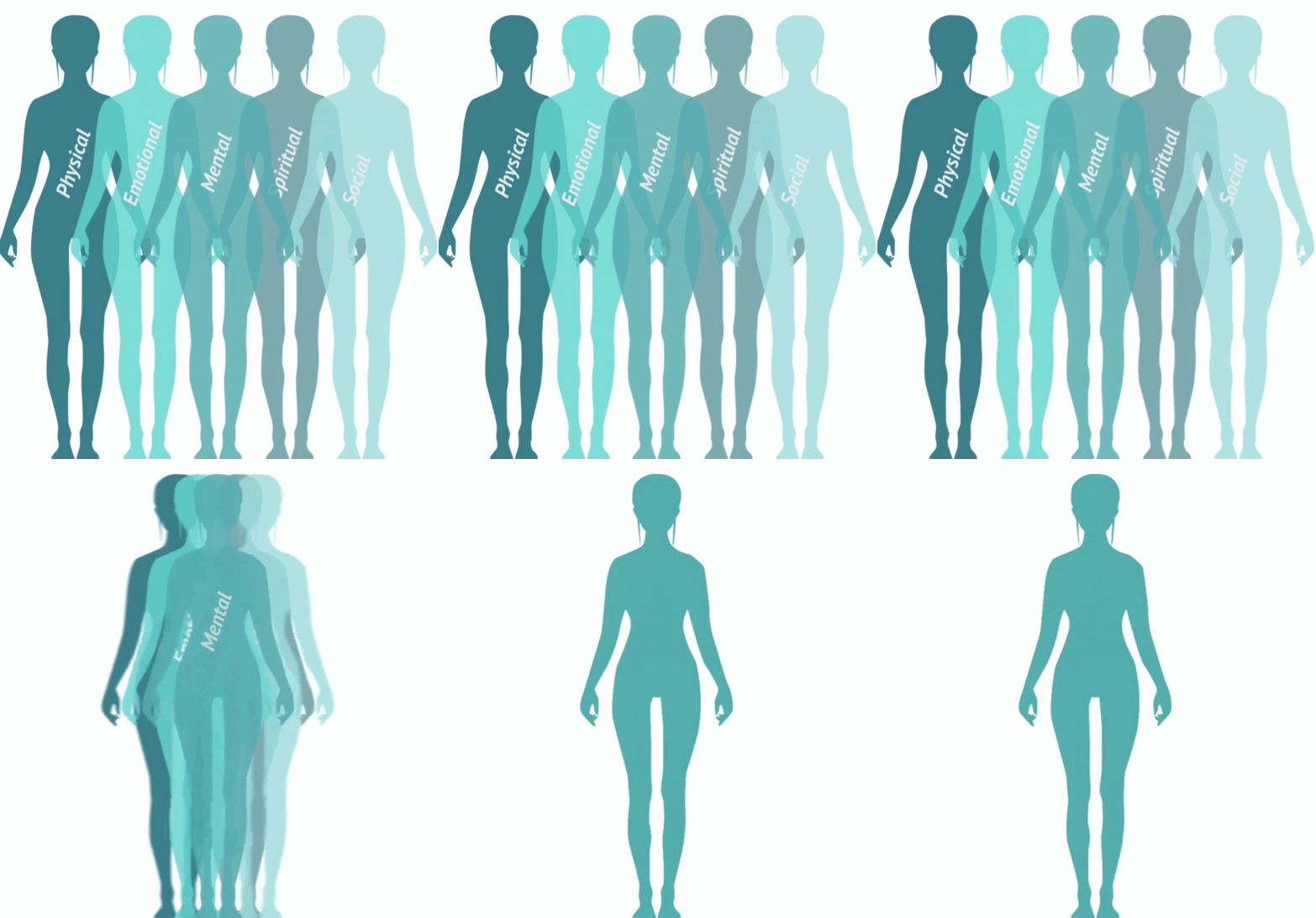
Using our proprietary 5 Body Map framework — Stress Engine, Processing System, Rhythm System, Defense System, and Power System — we map every system contributing to your metabolic challenge and design your personalized PowerRx protocol. Following evaluation and testing, physicians develop a personalized treatment strategy designed to support system-level health.
Care plans may include:
- Targeted nutrition strategies
- Lifestyle interventions
- Supplement protocols
- Integrative therapeutic approaches
Because every individual has unique biological drivers, treatment plans are designed around the patient’s health history and physiology.
Four to eight weeks of targeted interventions — gut healing, hormone optimization, anti-inflammatory protocols — to prepare your body for maximum medication response.
Monthly physician check-ins, quarterly labs, body composition tracking, and protocol adjustments. We monitor lean mass, metabolic rate, nutritional status, and medication response continuously.
Monthly physician check-ins, quarterly labs, body composition tracking, and protocol adjustments. We monitor lean mass, metabolic rate, nutritional status, and medication response continuously.
Not sure where to start?
Schedule your free 15-minute consultation and we'll help you find the right path.
Schedule a 15 Minute Consultation ➞
Why hol+ Is Different
hol+ provides doctor-led holistic care for patients who want to understand why mood changes are happening. Our clinical model combines conventional medical evaluation with functional medicine, nutrition, Chinese medicine, Ayurveda, acupuncture, and other integrative tools when appropriate.
Patients choose hol+ because the model emphasizes:
- Physician-led evaluation
- Longer clinical visits
- Advanced testing when appropriate
- Root-cause analysis
- Whole-person care
- Personalized treatment plans
- Integration of Eastern and Western medicine
- Support for emotional wellness across different life stages
Patients seeking functional medicine for mood disorders or broader integrative mental wellness can turn to hol+ for a path that looks beyond symptom management. Care is designed to help patients understand the physical systems that may be contributing to mood changes while supporting appropriate mental health care when needed.
Take the Next Step
If symptoms are affecting your quality of life, you deserve care that looks deeper. hol+ provides integrative women’s health services designed to uncover root causes and guide long-term well-being.
Schedule a personalized evaluation with a hol+ provider to begin building a care plan for your next stage of life.
Book a 15 Min Consultation
live hol plus
Explore More at hol+
Menopause is easier to navigate with the right tools. These hol+ resources can help you check your own patterns, hear how our physicians think about hormones and healthy aging, and go deeper on what matters most to you.
Take a Quiz
Are my Hormones Balanced?
What’s My Hormone Type?
Why Am I So Tired?
Listen & Watch
Hol+ EP65 – Why Anxiety Might Not Be What You Think – Root Causes of Stress & Women’s Mental Health with Dr. Ellen Vora
Hol+ EP23 – The Emotional and Physical Toll of Perfectionism on Your Health with Dr. Tricia Pingel
EP 360 – How to Calm Your Mind with Dr. Uma Naidoo
Related Care at hol+
Cortisol for Stress Relief
Hormone Balancing
Integrative Mental Health Services for Emotional Wellbeing
Nutrition Counseling
Thyroid Disorders
If you are experiencing thoughts of self-harm or a mental health crisis, please seek help immediately, in the U.S., call or text 988 for the Suicide & Crisis Lifeline.
Medical Disclaimer
The contents of this website, such as text, graphics, images, and other material contained on this website, are for informational purposes only. The content is not intended to be a substitute for professional medical advice, diagnosis, or treatment.