
IBS affects more than digestion alone. For many adults, irritable bowel syndrome is connected to the microbiome, stress response, inflammation patterns, food triggers, and the way the nervous system communicates with the digestive tract.
At hol+, IBS treatment begins with a deeper look at why symptoms are happening. Instead of focusing only on temporary symptom management or long-term food avoidance, our physician-led team evaluates the systems that may contribute to irritable bowel syndrome.
If you are looking for a gut health doctor who takes your symptoms seriously, hol+ offers a root-cause approach to digestive care.
What Is IBS?
Irritable bowel syndrome is a common digestive condition that can cause recurring stomach pain, cramping, bloating, gas, constipation, or diarrhea. Some patients also experience nausea, reflux, fatigue, food reactions, or brain fog during digestive flares.
IBS is often described as a disorder of gut-brain interaction. In practical terms, the digestive tract may become more reactive to everyday inputs such as meals, stress, or shifts in bowel rhythm.
IBS is not usually diagnosed through one routine lab test. Many patients have normal basic results, yet still experience recurring digestive symptoms. In some cases, additional testing can help rule out other conditions or identify related patterns such as SIBO, lactose intolerance, or infection. That gap between “normal results” and daily symptoms is one reason many people seek functional medicine for IBS.
At hol+, IBS is evaluated as a whole-body pattern. The idea is to understand what may be contributing to your symptoms, not just name a health condition.
Who Is IBS Care For?
IBS care at hol+ is designed for people/patients who want a deeper evaluation of digestive symptoms and related whole-body patterns. Many patients come to hol+ after trying restrictive diets, over-the-counter products, or conventional symptom management without lasting results.
IBS care may be appropriate for people experiencing:

Bloating after meals

Abdominal pain or cramping

Gas or pressure

Constipation or incomplete elimination

Diarrhea or loose stools

Alternating bowel habits

Urgency or unpredictable digestion

Fatigue or brain fog connected to gut symptoms

Nausea or reflux

Suspected lactose intolerance or dairy-related digestive symptoms

Digestive discomfort during stress
Some patients have already been diagnosed with irritable bowel syndrome. Others suspect IBS because their symptoms come and go, shift with food or stress, or flare without an obvious reason. A deeper evaluation can help identify patterns that may be missed when care focuses only on symptom labels.
Book a 15 Min Consultation
How We Help
Root Causes We Address
IBS symptoms often reflect several overlapping digestive and whole-body patterns. hol+ evaluates these connections to better understand what may be contributing to each patient’s symptoms.
At hol+, root cause IBS treatment may include evaluation of:
- Gut microbiome imbalances
- Small intestinal bacterial overgrowth (SIBO)
- Hormone imbalances that may affect digestion
- Nervous system patterns
This root-cause approach helps move care beyond “avoid these foods” and toward a more complete understanding of why the digestive system is reacting.
The hol+ Approach Framework
hol+ views IBS as part of a larger biological system. Digestion is shaped by signals from the brain, immune system, metabolism, and stress-response pathways. When those signals become disrupted, IBS symptoms may become harder to resolve.
Our framework may include evaluation of:
Microbiome Health
The microbiome helps regulate digestion, immune activity, inflammation, and nutrient metabolism.
When gut dysbiosis or broader gut imbalance is present, patients may experience bloating, gas, food reactions, bowel changes, or increased digestive sensitivity.
SIBO and Digestive Overgrowth
IBS and SIBO can look similar because both may affect comfort, bowel rhythm, and post-meal digestion.
When clinically appropriate, care may include evaluation for small intestinal bacterial overgrowth through breath testing or related digestive-health assessment.
Inflammation
Inflammation can affect immune signaling, digestive sensitivity, and the integrity of the intestinal lining.
Care may include evaluation of inflammatory patterns and whole-body symptoms that may be connected to gut health.
Gut-Brain Connection
The gut-brain connection helps explain why stress, sleep, mood, and nervous system patterns can influence digestion.
hol+ evaluates the nervous system as part of IBS care because digestive symptoms often change during periods of physical or emotional stress.
Nutrition & Metabolic
Digestion is shaped by how the body processes food, regulates blood sugar, absorbs nutrients, and responds to daily routines.
A personalized nutrition plan may support improved bowel rhythm and better tolerance of foods over time.
Book a 15 Min Consultation
What we Offer
Whole-Body IBS Factors We Evaluate
IBS can involve the digestive tract, immune signaling, stress physiology, and microbiome patterns at the same time. At hol+, clinicians evaluate the larger health context so your plan can be built around your specific symptom pattern.
Gut Microbiome Health
When the microbiome ecosystem is disrupted, symptoms may become harder to interpret from food alone.
Care may include evaluation of:
- Microbiome balance
- Gut dysbiosis patterns
- Stool consistency and bowel rhythm
- Digestive enzyme or bile-support needs
- Signs of inflammation or irritation
Stress and Digestion
Stress can change how the digestive tract moves, senses, and responds. Some people experience constipation during stress, while others develop diarrhea, urgency, nausea, or stomach tightness. The goal is not to label every symptom as stress-related, but to understand how stress physiology may be shaping digestion.
Care may include evaluation of:
- Stress response patterns
- Sleep and recovery
- Meal timing during stressful periods
- Nervous system regulation
- Digestive flares during emotional or physical strain
Food Sensitivities and Food Triggers
Many people with IBS notice reactions to specific foods, but food triggers are not always the root cause. Restrictive eating may bring short-term relief, yet it can become frustrating when the list of “safe foods” keeps shrinking.
Care may include evaluation of:
- Common trigger patterns
- Elimination diet history
- Food reintroduction tolerance
- Nutrient intake
- Signs that gut imbalance may be increasing food sensitivity
Inflammation and IBS
Inflammation may make the digestive tract more reactive and harder to regulate. For some patients, digestive issues appear after the gut has been disrupted by infection, medication exposure, or prolonged stress.
Care may include evaluation of:
- Inflammation markers
- Gut-immune patterns
- Intestinal permeability
- Post-infectious digestive changes
- Whole-body symptoms connected to gut health
Motility and Digestive Rhythm
Motility refers to the movement of food, fluid, and waste through the digestive tract. When motility slows, constipation, bloating, or bacterial overgrowth patterns may develop. When motility speeds up, diarrhea or urgency may become more common.
Care may include evaluation of:
- Constipation patterns
- Diarrhea patterns
- Alternating bowel habits
- Meal timing and bowel rhythm
- Possible SIBO-related motility issues
Targeted Interventions
IBS care at hol+ is personalized. There is no single protocol that fits every person with irritable bowel syndrome. Your plan depends on symptoms, medical history, lifestyle, and clinical evaluation.
Targeted interventions may include:
- Breath testing for SIBO when appropriate
- Stool testing
- Food-sensitivity evaluation
- Elimination diet support
- Personalized nutrition plan
- Digestive enzyme or bile-support strategies
- Probiotics when clinically appropriate
- Antimicrobials when indicated
- Gut repair support
- Motility support
- Stress and nervous system regulation
The goal is to identify the right sequence of support. For example, a patient with constipation, bloating, and suspected methane-associated overgrowth pattern may need a different plan than someone with diarrhea, urgency, reflux, and stress-linked flares.
Treatment options
Treatment Options and Modalities
hol+ offers physician-led holistic IBS treatment that may draw from functional medicine, integrative medicine, nutrition, and lifestyle medicine. Your clinician will help determine which tools make sense for your symptoms and overall health history.
Functional Medicine
Functional medicine looks for the drivers behind symptoms. For IBS, this may include microbiome imbalance, food sensitivities, stress physiology, motility changes, inflammation, nutrient deficiencies, or SIBO.
This approach is especially helpful for patients who have been told to simply manage flare-ups or avoid trigger foods without a deeper explanation.
Nutritional Therapy
Nutrition is often central to IBS care, but it should be personalized. Some patients benefit from a short-term reduction of fermentable foods, while others need a plan that focuses on bowel rhythm, nourishment, and rebuilding food variety.
A nutrition plan may focus on calming symptoms while also supporting long-term digestive resilience.
Lifestyle Medicine
Daily rhythms influence digestion. Sleep, movement, hydration, stress recovery, meal timing, and screen habits can all affect the gut. Lifestyle medicine at hol+ is designed to be realistic and sustainable, not overwhelming.
For IBS, lifestyle support may focus on improving bowel rhythm, lowering flare frequency, and helping the body shift out of high-alert patterns.
Supplement Protocols
Supplements may be used to support digestion, microbiome health, gut repair, nutrient status, or motility. This may include probiotics, targeted nutrients, or antimicrobial protocols when appropriate.
Because supplements can affect symptoms differently from person to person, hol+ uses clinical evaluation to guide recommendations.
Mind-Body Medicine
Nervous system support is an important part of care for many patients. Breathwork, relaxation practices, sleep support, acupuncture, and other mind-body tools may help reduce the intensity of stress-related digestive flares.
These tools are not used to dismiss symptoms. They are used because the nervous system plays a real role in digestive function.
Acupuncture
Acupuncture may be considered as part of a broader integrative plan. For some patients, it may support nervous system balance and digestive rhythm.
At hol+, acupuncture is one possible part of personalized digestive care, not a replacement for medical evaluation.
Benefits of Treatment
Why holistic treatment matters
IBS treatment at hol+ is designed to support better digestive function and whole-body resilience. Results vary by patient, and care is always guided by clinical need.
Potential benefits may include:

Reduced bloating and gas

Better tolerance of foods

Better energy when digestion stabilizes

Improved quality of life
Less frequent abdominal pain or cramping

Fewer urgency-related disruptions

A clearer understanding of personal food triggers

More regular bowel habits

Improved confidence around meals

More support for stress-related digestive flares
The aim is not only to reduce symptoms during a flare. The larger goal is to help patients understand their digestive patterns and build a plan that supports long-term gut health.
Risks and Considerations
IBS varies widely from person to person. Two patients can share the same diagnosis and need very different care plans. That is why testing, medical history, and clinical judgment are essential.
Important considerations include:
- IBS symptoms can overlap with other digestive conditions
- New, severe, or changing symptoms should be medically evaluated
- Food triggers differ from person to person
- Highly restrictive diets may not be appropriate long term
- SIBO testing and treatment should be clinically guided
- Probiotics may help some patients but may worsen symptoms in others
- Antimicrobials should be used under professional supervision
- Long-term management may require ongoing adjustment
- A family history of celiac disease, colon cancer, or inflammatory bowel disease should also be discussed with the medical provider
Seek prompt medical care for symptoms such as blood in stool, unexplained weight loss, persistent vomiting, fever, severe pain, anemia, or a major change in bowel habits. These symptoms may require evaluation beyond IBS care.
What to Expect as a Patient
The hol+ Patient Journey
IBS care at hol+ follows a structured process designed to move from deeper digestive evaluation to personalized gut-health support.
Holistic and functional medicine operate from a different framework than traditional symptom-driven care. Rather than addressing health concerns in isolation, systems-based medicine evaluates how multiple physiological systems interact.
The human body functions as an integrated network. Hormonal signaling influences metabolism. Gut health affects immune function. Stress physiology alters inflammation, sleep, and metabolic balance. When one system becomes dysregulated, ripple effects can appear across many others.
Functional medicine focuses on identifying the system-level drivers behind symptoms. At hol+, clinicians evaluate health through a lens that distinguishes signal from static. Symptoms are viewed as signals that reflect deeper physiological patterns.
To understand these patterns, the clinical team may assess:
Hormone health and endocrine signaling
Metabolic function and energy regulation
Stress physiology and nervous system balance
Nutrient status and metabolic cofactors
Environmental exposures that influence immune or metabolic function
This framework reflects what hol+ refers to as the human health operating system—the network of biological processes that coordinate energy, immunity, and recovery. When this system operates in balance, the body can maintain resilience. When disruptions accumulate, symptoms may begin to appear.
Through systems-based medicine, a holistic doctor in Atlanta can evaluate these interconnected processes and identify where intervention may support improved function.
The first step involves a comprehensive health evaluation designed to map symptoms and health history.
This assessment may include:
- Detailed medical history review
- Symptom mapping
- Lifestyle and environmental analysis
The goal is to identify patterns that may influence system-level health.
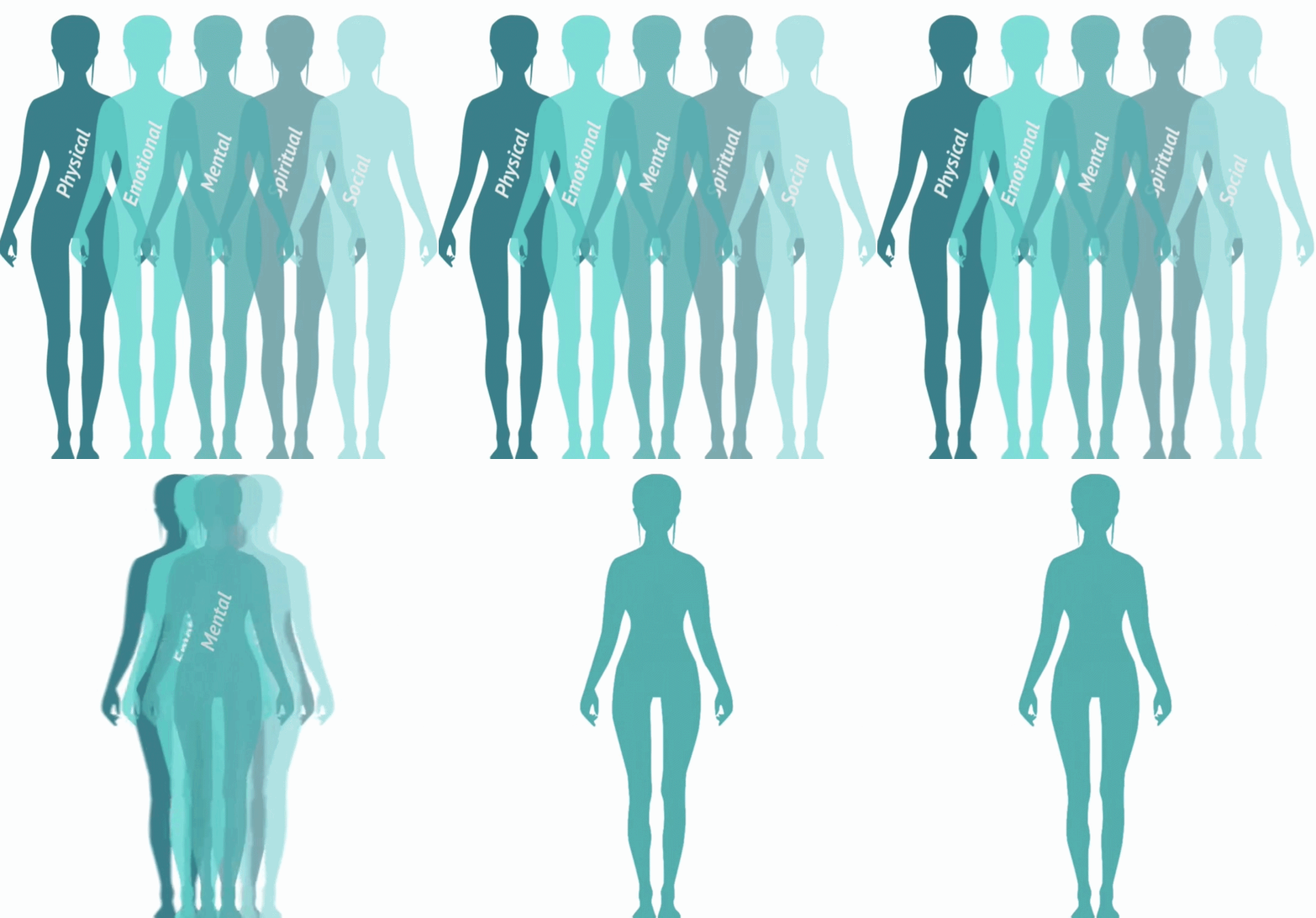
Using our proprietary 5 Body Map framework — Stress Engine, Processing System, Rhythm System, Defense System, and Power System — we map every system contributing to your metabolic challenge and design your personalized PowerRx protocol. Following evaluation and testing, physicians develop a personalized treatment strategy designed to support system-level health.
Care plans may include:
- Targeted nutrition strategies
- Lifestyle interventions
- Supplement protocols
- Integrative therapeutic approaches
Because every individual has unique biological drivers, treatment plans are designed around the patient’s health history and physiology.
Four to eight weeks of targeted interventions — gut healing, hormone optimization, anti-inflammatory protocols — to prepare your body for maximum medication response.
Monthly physician check-ins, quarterly labs, body composition tracking, and protocol adjustments. We monitor lean mass, metabolic rate, nutritional status, and medication response continuously.
Monthly physician check-ins, quarterly labs, body composition tracking, and protocol adjustments. We monitor lean mass, metabolic rate, nutritional status, and medication response continuously.
Your first visit gives your clinician time to understand your symptoms, health history, diet, stress patterns, prior testing, and goals for care. From there, your plan is developed around your physiology rather than a generic IBS checklist.
Not sure where to start?
Schedule your free 15-minute consultation and we'll help you find the right path.
Schedule a 15 Minute Consultation ➞
Why hol+ Is Different
Many patients with IBS are told to avoid eating certain foods, take medication during flares, or learn to live with digestive unpredictability. Those tools may help in some cases, but they do not always explain why symptoms continue.
hol+ takes a different approach. Our team looks at IBS through a whole-body lens that includes gut health, microbiome patterns, stress physiology, inflammation, nutrition, hormones, and lifestyle. This allows clinicians to ask deeper questions about what may be driving symptoms.
Patients choose hol+ for:
- Doctor-led functional medicine care
- Longer visits and deeper conversations
- Advanced testing when clinically appropriate
- Microbiome and digestive-health evaluation
- Personalized treatment plans
- Whole-person care that looks beyond symptom suppression
If you are searching for an IBS doctor who can help you explore the “why” behind your symptoms, hol+ provides a structured path toward root-cause digestive care.
Take the Next Step
If symptoms are affecting your quality of life, you deserve care that looks deeper. hol+ provides integrative women’s health services designed to uncover root causes and guide long-term well-being.
Schedule a personalized evaluation with a hol+ provider to begin building a care plan for your next stage of life.
Book a 15 Min Consultation
live hol plus
Explore More at hol+
Menopause is easier to navigate with the right tools. These hol+ resources can help you check your own patterns, hear how our physicians think about hormones and healthy aging, and go deeper on what matters most to you.
Take a Quiz
Am I Toxic? Understanding my Environmental Load
What’s My Hormone Type?
Why Am I So Tired?
Listen & Watch
All About Gut Health
Hol+ EP46 – Gut Health Explained: How Your Gut Microbiome Controls Hormones, Mood and Weight
375 Candida Overgrowth: Symptoms & Solutions Explained
EP 307 – Ayurvedic Food Hacks to Stay Healthy this Holiday with Dr. Taz
Related Care at hol+
Cortisol for Stress Relief
Digestive Health: Functional Solutions for Gut Healing
Inflammation
Nutrition Counseling
Weight Loss & Weight Management
Medical Disclaimer
The contents of this website, such as text, graphics, images, and other material contained on this website, are for informational purposes only. The content is not intended to be a substitute for professional medical advice, diagnosis, or treatment.