
Starting at $299 for wellness visits
PHYSICIAN-LED FUNCTIONAL MEDICINE
Insomnia & Sleep
Sleep is one of the body’s main recovery systems. When it becomes disrupted, patients may feel the effects in their energy, focus, mood, and resilience the next day. Over time, poor sleep can also affect deeper patterns in hormone health, metabolism, and the immune system.
hol+ provides integrative sleep care for adults experiencing sleep problems, including chronic insomnia and frequent nighttime waking. Rather than relying on sleep medications alone, our physician-led team evaluates the root cause patterns that may be interfering with sleep.
Through functional medicine for insomnia, hol+ looks at the systems that help regulate rest. From there, your clinician develops a personalized sleep treatment plan based on your symptoms, testing, health history, and goals.
What Is Insomnia?
Insomnia is a sleep disorder that disrupts the body’s ability to get consistent, restorative rest. Some people have trouble falling asleep. Others fall asleep quickly, then wake at 2 or 3 a.m. and struggle with staying asleep at night. Some sleep long enough but still wake tired.
Sleep health involves more than time in bed. Healthy rest depends on balanced sleep cycles, nervous system regulation, and the body’s ability to shift into nighttime repair. When these patterns are disrupted, sleep may feel fragmented or unrefreshing.
A sleep disorder treatment plan should account for both nighttime patterns and daytime symptoms. Poor sleep can affect energy, cravings, mood, immune function, metabolism, and cognitive performance. At hol+, insomnia treatment begins with the idea that sleep disruption is often a signal from the body rather than an isolated problem.
Natural sleep aids, home remedies, and basic sleep hygiene may help some people, but chronic insomnia often needs a deeper sleep health evaluation.
Who It’s For
hol+ supports adults who want a more complete evaluation of sleep problems and the whole-body patterns behind them. This approach may be appropriate if poor sleep is affecting your work performance or overall wellness.
This care may be effective for adults experiencing:

Difficulty falling asleep

Waking during the night

Waking too early

Poor sleep despite enough time in bed

Daytime fatigue or chronic fatigue

Brain fog and poor concentration

Sleep changes during perimenopause, menopause, age-related hormone shifts, or high-stress periods

Irritability, anxiety, or mood shifts

Weight-management struggles that overlap with sleep disruption

Low energy and reduced motivation
Sleep issues may affect women and men differently. Hormonal transitions, menstrual-cycle changes, testosterone shifts, thyroid patterns, and stress load can all shape how the body regulates rest.
Book a 15 Min Consultation
How We Help
What Causes Insomnia?
Insomnia often develops when the systems that regulate sleep timing, stress response, energy, and overnight recovery fall out of rhythm. A root-cause evaluation looks for the patterns that may be keeping the body alert at night or preventing sleep from feeling restorative.
Common contributors hol+ may evaluate include:
- Cortisol imbalance
- Blood sugar instability
- Nervous system dysregulation
- Nutrient deficiencies
Cortisol helps regulate the sleep-wake rhythm. When stress physiology remains activated, the body may feel wired at night and depleted during the day.
Hormone signaling helps regulate when the body feels ready for sleep and how well it recovers overnight. When that rhythm is disrupted, sleep may become lighter, more fragmented, or less restorative. In some patients, these patterns appear alongside fatigue, thyroid symptoms, or changes in weight regulation.
Sleep-disordered breathing, including sleep apnea, should also be considered when symptoms include snoring, gasping, morning headaches, or severe daytime sleepiness.
The hol+ Approach Framework
At hol+, sleep optimization is viewed through a whole-body framework. The goal is not to force sleep with a one-size-fits-all protocol. The goal is to understand why the body may be resisting sleep, waking through the night, or failing to recover.
Your clinician may evaluate sleep through several connected systems:
Sleep rhythm and sleep routine
A consistent sleep-wake schedule helps regulate the body's internal clock and prepare it for restorative rest.
A hol+ clinician may assess bedtime patterns, morning routines, light exposure, screen use, meal timing, and other habits that influence circadian rhythm. Recommendations are personalized around the patient's schedule, symptoms, and physiology.
Hormone signaling
Hormones help regulate sleep timing, body temperature, stress response, and overnight recovery.
Changes involving cortisol, thyroid hormones, estrogen, progesterone, testosterone, or melatonin may contribute to difficulty falling asleep or staying asleep. hol+ evaluates these patterns within the patient's broader health picture.
Metabolic and blood sugar patterns
Blood sugar fluctuations can influence nighttime waking, early-morning alertness, hunger, and daytime fatigue.
Poor sleep can also disrupt appetite signals, insulin sensitivity, and energy regulation. A hol+ clinician may evaluate nutrition, meal timing, metabolic health, and testing results to identify patterns affecting sleep.
Stress physiology
Chronic stress can keep the body in an alert state long after an immediate stressor has passed.
This may lead to racing thoughts, difficulty settling at bedtime, or waking during the night. hol+ examines cortisol rhythm, daily stress load, and recovery patterns to develop more targeted support.
Nervous system regulation
Restorative sleep depends on the nervous system's ability to transition from daytime alertness into nighttime recovery.
Pain, emotional stress, digestive discomfort, stimulant use, and other inputs may interfere with this shift. Care may include personalized strategies that support nervous system regulation and mind-body recovery.
Gut health and inflammation
Digestive discomfort, microbiome imbalances, and inflammatory patterns may affect the body's ability to rest and recover.
Sleep disruption can also influence gut function and immune regulation, creating a cycle that affects whole-person health. hol+ may evaluate digestive symptoms, food patterns, inflammation, and gut health when clinically appropriate.
Nutrient status
The body relies on adequate nutrients to support nervous system function, hormone production, and healthy sleep regulation.
Deficiencies or imbalances may contribute to fatigue, restlessness, muscle tension, or disrupted sleep. Targeted testing and supplementation may be recommended based on the patient's individual needs.
Lifestyle and environmental inputs
Daily habits and the sleep environment can affect circadian rhythm and nighttime recovery.
A hol+ clinician may review movement, caffeine and alcohol use, travel, work schedules, bedroom conditions, light exposure, and screen habits. The resulting plan focuses on practical changes that fit the patient's daily life.
This framework helps connect symptoms that may otherwise seem unrelated. A person with insomnia may also have digestive discomfort, anxiety, weight changes, thyroid symptoms, or blood sugar crashes. Instead of treating each concern as separate, hol+ looks at how these patterns may interact.
Book a 15 Min Consultation
What we Offer
How hol+ Evaluates Sleep Issues
A sleep evaluation at hol+ looks at more than what happens after bedtime. Your clinician may ask when your sleep changed, what your nights feel like, how you wake in the morning, and what else was happening in your health around the same time. This helps connect sleep problems with patterns in stress, hormones, metabolism, digestion, inflammation, and daily rhythm.
Sleep and Metabolism
Sleep and metabolism can become linked in a frustrating cycle. When sleep is poor, cravings, hunger signals, and energy crashes may become harder to regulate. When blood sugar is unstable, the body may become more likely to wake during the night or feel alert too early in the morning. hol+ may review meal timing, blood sugar patterns, and weight-management concerns to understand how metabolic shifts may be affecting sleep.
Circadian Rhythm Optimization
Your circadian rhythm helps your body know when to feel awake and when to prepare for rest. If that rhythm becomes disrupted, sleep may become lighter or harder to initiate. hol+ may help patients rebuild a more consistent rhythm through evening routine changes, meal timing, and other sleep optimization strategies.
Stress Resilience
Stress can keep the body in a state of alertness even when you feel exhausted. This may show up as racing thoughts at bedtime, waking in the middle of the night, or feeling tired but unable to settle. hol+ evaluates stress and sleep together because cortisol rhythm, nervous system activation, and recovery habits can all influence sleep quality.
Nervous System Regulation
Restorative sleep requires the nervous system to shift out of high-alert mode. When the body remains activated, sleep hygiene alone may not be enough. hol+ may evaluate the patterns that keep the body activated in the evening, from physical discomfort and digestive stress to stimulant timing, recovery habits, and nighttime routines.
Sleep and Hormone Health
Sleep and metabolism can become linked in a frustrating cycle. When sleep is poor, cravings, hunger signals, and energy crashes may become harder to regulate. When blood sugar is unstable, the body may become more likely to wake during the night or feel alert too early in the morning. hol+ may review meal timing, blood sugar patterns, and weight-management concerns to understand how metabolic shifts may be affecting sleep.
Targeted Interventions
Targeted interventions are the specific changes your clinician may recommend after your sleep evaluation. These are selected based on your symptoms, testing, medical history, and goals.
Potential interventions may include:
- Sleep assessments and symptom mapping
- Sleep routine development
- Nutrition strategies for blood sugar stability
- Stress-management practices
- Recovery planning
- Nutrient testing and targeted supplementation
- Thyroid and hormone support when clinically appropriate
- Gut-health support
- Acupuncture
- Mind-body medicine
Alternative treatments for insomnia may be helpful when they are selected thoughtfully and monitored over time. “Natural cures” and home remedies may offer short-term support, but long-standing sleep problems often need a more complete plan. Rather than promising to cure insomnia with a single supplement or habit change, hol+ builds care around the root cause patterns that may be disrupting sleep.
Treatment options
Treatment Options and Modalities
Treatment options describe the types of care hol+ may use to deliver sleep support. Your plan may include one or several modalities depending on what your evaluation shows.
Functional Medicine
Functional medicine helps connect sleep disruption with the broader patterns that may be affecting the body. For insomnia, this means looking beyond bedtime symptoms to understand how stress physiology, hormones, metabolism, inflammation, and nervous system regulation may be influencing rest.
Nutritional Therapy
Nutrition can play a meaningful role in sleep because the body needs steady energy and the right nutrient support to settle overnight. At hol+, nutritional therapy may focus on building a more stable daily rhythm around meals, caffeine, hydration, and evening hunger so sleep is not repeatedly disrupted by metabolic stress.
Lifestyle Medicine
Lifestyle medicine focuses on the daily patterns that teach the body when to feel alert and when to prepare for rest. Small changes to light exposure, movement, evening routines, screen habits, and recovery time can help support a healthier circadian rhythm when practiced consistently.
Acupuncture and Mind-Body Medicine
Acupuncture and mind-body medicine may help support nervous system regulation, stress recovery, and the body’s ability to shift toward rest. These therapies may be used alongside clinical evaluation rather than as stand-alone quick fixes.
Physician-Led Sleep Care
If you are looking for a sleep doctor who takes a broader view of sleep health, hol+ offers physician-led integrative sleep medicine that connects symptoms with deeper physiological patterns. Care may also include referral or coordinated evaluation when symptoms suggest a condition requiring additional testing.
Benefits of Treatment
Why holistic treatment matters
The goal of sleep optimization is to improve the systems that help the body recover, regulate, and function during the day. Results vary, and long-standing sleep concerns may take time to improve.
Potential benefits may include:

Improved sleep quality

Reduced brain fog

Support for hormone health

Better nighttime recovery

Better concentration

Support for metabolic health

Better whole-body wellness

More stable daytime energy

Improved stress resilience

Improved mood stability
When the body gets more consistent rest, other areas of health may become easier to address.
Risks and Considerations
Insomnia can have many causes. Some are lifestyle-related, while others may involve medical conditions, medications, sleep-disordered breathing, pain, anxiety, hormone changes, thyroid disease, or other concerns that require proper evaluation.
Important considerations include:
- Sleep medications may help some patients, but they may not address underlying drivers.
- When appropriate, care may also include referral for or coordination with cognitive behavioral therapy for insomnia (CBT-I), a well-established non-drug treatment for chronic insomnia.
- Hormone, thyroid, nutrient, metabolic, and inflammatory patterns may need testing before certain interventions.
- Natural sleep aids and supplements should be selected with clinical guidance, especially if you take medications or have medical conditions.
- Long-standing sleep issues may take time to improve.
- Snoring, gasping, witnessed pauses in breathing, excessive daytime sleepiness, chest pain, or sudden neurological symptoms should be evaluated promptly.
hol+ provides integrative sleep care that helps identify the biological patterns contributing to sleep disruption and guide appropriate next steps.
What to Expect as a Patient
The hol+ Patient Journey
Sleep care at hol+ follows a structured process designed to move from deeper sleep evaluation to holistic sleep support.
Holistic and functional medicine operate from a different framework than traditional symptom-driven care. Rather than addressing health concerns in isolation, systems-based medicine evaluates how multiple physiological systems interact.
The human body functions as an integrated network. Hormonal signaling influences metabolism. Gut health affects immune function. Stress physiology alters inflammation, sleep, and metabolic balance. When one system becomes dysregulated, ripple effects can appear across many others.
Functional medicine focuses on identifying the system-level drivers behind symptoms. At hol+, clinicians evaluate health through a lens that distinguishes signal from static. Symptoms are viewed as signals that reflect deeper physiological patterns.
To understand these patterns, the clinical team may assess:
Hormone health and endocrine signaling
Metabolic function and energy regulation
Stress physiology and nervous system balance
Nutrient status and metabolic cofactors
Environmental exposures that influence immune or metabolic function
This framework reflects what hol+ refers to as the human health operating system—the network of biological processes that coordinate energy, immunity, and recovery. When this system operates in balance, the body can maintain resilience. When disruptions accumulate, symptoms may begin to appear.
Through systems-based medicine, a holistic doctor in Atlanta can evaluate these interconnected processes and identify where intervention may support improved function.
The first step involves a comprehensive health evaluation designed to map symptoms and health history.
This assessment may include:
- Detailed medical history review
- Symptom mapping
- Lifestyle and environmental analysis
The goal is to identify patterns that may influence system-level health.
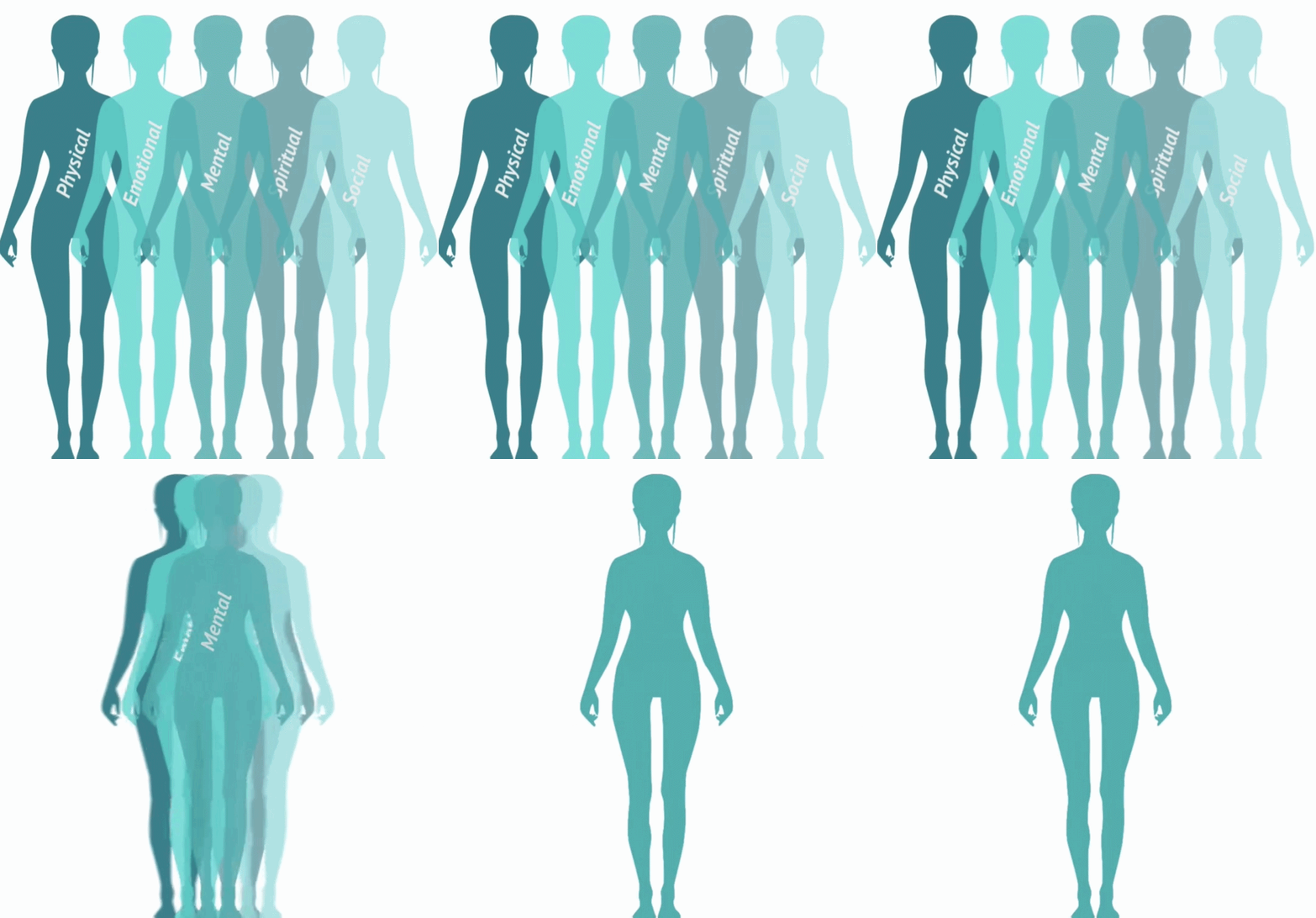
Using our proprietary 5 Body Map framework — Stress Engine, Processing System, Rhythm System, Defense System, and Power System — we map every system contributing to your metabolic challenge and design your personalized PowerRx protocol. Following evaluation and testing, physicians develop a personalized treatment strategy designed to support system-level health.
Care plans may include:
- Targeted nutrition strategies
- Lifestyle interventions
- Supplement protocols
- Integrative therapeutic approaches
Because every individual has unique biological drivers, treatment plans are designed around the patient’s health history and physiology.
Four to eight weeks of targeted interventions — gut healing, hormone optimization, anti-inflammatory protocols — to prepare your body for maximum medication response.
Monthly physician check-ins, quarterly labs, body composition tracking, and protocol adjustments. We monitor lean mass, metabolic rate, nutritional status, and medication response continuously.
Monthly physician check-ins, quarterly labs, body composition tracking, and protocol adjustments. We monitor lean mass, metabolic rate, nutritional status, and medication response continuously.
Your first visit gives your clinician time to understand your sleep patterns, health history, stress load, hormone changes, diet, prior testing, and goals for care. From there, your plan is developed around your physiology rather than a generic insomnia checklist.
Not sure where to start?
Schedule your free 15-minute consultation and we'll help you find the right path.
Schedule a 15 Minute Consultation ➞
Why hol+ Is Different
Traditional sleep care often focuses on diagnosing a sleep disorder and managing symptoms. Medication may be part of care for some patients, but sleep problems often involve deeper whole-body patterns that deserve attention.
hol+ provides physician-led sleep disorder treatment through a functional and integrative lens. Our clinicians evaluate the systems that influence sleep health, including hormones, metabolism, gut health, stress physiology, inflammation, nutrient status, and circadian rhythm.
Patients choose hol+ because our model emphasizes:
- Physician-led evaluation
- Longer clinical visits
- Advanced testing when appropriate
- Whole-body care
- Personalized treatment
- Integration of Eastern and Western medicine
- Ongoing sleep optimization
If difficulty sleeping is affecting how you function day to day, hol+ offers a more complete path forward.
Take the Next Step
If symptoms are affecting your quality of life, you deserve care that looks deeper. hol+ provides integrative women’s health services designed to uncover root causes and guide long-term well-being.
Schedule a personalized evaluation with a hol+ provider to begin building a care plan for your next stage of life.
Book a 15 Min Consultation
live hol plus
Explore More at hol+
Menopause is easier to navigate with the right tools. These hol+ resources can help you check your own patterns, hear how our physicians think about hormones and healthy aging, and go deeper on what matters most to you.
Take a Quiz
Are my Hormones Balanced?
What’s My Hormone Type?
Why Am I So Tired?
Listen & Watch
Hol+ EP43 – The Mental Health Crisis No One’s Talking About with Dr. James Greenblatt, MD
Hol+ EP18 – Chronically Stressed? The Truth About Cortisol, Adrenal Fatigue & Healing Holistically
EP 324 – Dr. Taz on Natural Remedies to Improve Sleep
Read More
Related Care at hol+
Cortisol for Stress Relief
Hormone Balancing
Mood Shifts
Nutrition Counseling
Thyroid Disorders
Medical Disclaimer
The contents of this website, such as text, graphics, images, and other material contained on this website, are for informational purposes only. The content is not intended to be a substitute for professional medical advice, diagnosis, or treatment.