


HPA axis dysfunction symptoms often show up in ways that feel frustrating but hard to explain, like waking up exhausted, feeling wired at bedtime, or craving sugar when you’re already tired. These shifts in energy, mood, and sleep patterns are the body’s way of flagging that your stress response system is out of sync.
When the HPA axis gets dysregulated from ongoing pressure, it affects how your brain and adrenal glands communicate, which throws off everything from hormone balance to focus to immunity. These symptoms are often signs your stress system could use real support. Spotting them early makes all the difference in helping your body recalibrate and recover.
What Is HPA Axis Dysfunction (and Why It’s Misunderstood)
The HPA axis is the communication loop between your brain and your adrenal glands. These two areas work together to regulate how your body responds to stress, mainly through the production and timing of cortisol. Cortisol isn’t just a stress hormone. It affects blood sugar, energy, immune function, sleep, and inflammation. When this axis is working well, your body can handle pressure and bounce back.
Chronic stress makes that system lose its rhythm. The brain and adrenals start misfiring by either overproducing or underproducing cortisol at the wrong times of day. This leads to fatigue, wired energy, sleep disruption, hormonal shifts, and emotional instability. Many people call this adrenal fatigue, though what’s really happening is a breakdown in communication between many key systems.
The Real Triggers Behind a Dysregulated Stress Response
When the HPA axis gets overwhelmed, it’s rarely from a single cause. Most of the time, it’s a pattern that builds gradually. Constant emotional strain, high-pressure work, loss, trauma, infections, nutrient deficiencies, disrupted sleep, or overtraining all add weight. The system can keep up for a while, until it can’t.
Your stress response was built to manage short bursts of demand. It slows digestion when you need to think fast, raises your blood sugar when energy is urgent, and keeps inflammation at bay when things feel intense. But when those stress signals never stop, your body doesn’t get the chance to reset. That’s when cortisol patterns flatten out or spike in the wrong direction, and symptoms begin to surface.
Why This Is More Than Just a Hormone Problem
Cortisol is only one piece of the story. When the HPA axis is off, it affects how your brain processes focus, how your gut digests food, how your cycle flows, how your muscles recover, and even how well you can tolerate social situations. It’s a whole-system effect, which is why it’s often misread or dismissed.
Giving the HPA Axis the Attention It Deserves
Understanding what the HPA axis does helps shift the focus from symptoms to systems. It’s about helping the body re-learn regulation. Supporting this system means addressing real-life stress patterns, repairing sleep, fueling the body properly, and resetting the rhythm between the brain and adrenal glands.
If any of this sounds familiar, your body might be trying to get your attention through the only language it has: fatigue, overwhelm, cravings, fog, and dysregulation. Those signs are important clues. When you support this system the right way, things start to come back online slowly, steadily, and with a lot more clarity.
Symptom 1: You’re Exhausted – But Can’t Fall Asleep at Night
You drag through the day, count the hours until bedtime, and then as soon as your head hits the pillow – your brain lights up. This “tired but wired” pattern is one of the most common signs that your HPA axis is out of sync. What’s happening behind the scenes is a cortisol curve that’s flipped. Instead of tapering off at night like it should, cortisol stays elevated, keeping your mind alert and your body restless.
When cortisol spikes late in the day, it blocks melatonin, your natural sleep hormone. This messes with your circadian rhythm and keeps you stuck in a cycle of shallow, unrefreshing sleep. That second wind you feel at 10 p.m. is your stress system on autopilot. Add caffeine, late screen time, or skipped meals into the mix, and it’s even harder to unwind.
Click here to discover functional solutions to finally get better sleep!
Symptom 2: Midday Energy Crash That Feels Like Hitting a Wall
There’s a certain kind of slump that doesn’t respond to another coffee or a quick snack. Around 2 to 4 p.m., it can feel like someone pulled the plug: your brain slows down, your patience runs thin, and your body wants to shut down. This kind of crash points to a cortisol rhythm that’s lost its natural flow.
In a healthy cycle, cortisol rises in the morning to help you wake up and gradually tapers off into the evening. But when the HPA axis is dysregulated, that curve can dip too early, leaving you running on empty halfway through the day. Low adrenal reserve and blood sugar swings often feed into it, especially if breakfast was light or lunch was rushed. These crashes are your body’s way of saying it’s working harder than it should just to keep up.
Symptom 3: Anxiety, Mood Swings, and Feeling Overwhelmed Easily
When your stress system is overworked, emotional stability starts to slip. You might feel on edge for no clear reason, swing from calm to overwhelmed in seconds, or wake up with a sense of dread that doesn’t match your day. These are signs your nervous system is stuck in fight-or-flight mode.
Chronic cortisol output interferes with the brain’s calming chemicals, like serotonin and GABA. This imbalance can heighten emotional sensitivity, trigger anxiety-like symptoms, and make even small stressors feel huge. For many, it shows up as racing thoughts, irritability, or an underlying sense that something’s wrong, even in calm environments. The HPA axis isn’t just managing energy and sleep. It’s deeply tied to your emotional bandwidth, too.
Steady Your Mood and Mind With Gentle Plant Support
Integrative Therapeutics HPA Adapt blends Rhodiola, Ashwagandha, Holy Basil, Eleuthero, and Maca to support your stress response without pushing too hard. These adaptogens help regulate cortisol and restore emotional resilience – so you feel more grounded, less reactive, and able to meet your day without feeling constantly on edge. You can shop HPA Adapt here and start supporting your nervous system in a more balanced way.
Symptom 4: Increased Belly Fat Despite Healthy Habits
When you’re eating well, moving regularly, and still noticing weight building up around your midsection, it can feel confusing and frustrating. That stubborn belly fat isn’t always about calories or workouts. It’s often a response to chronic cortisol elevation and how your body tries to adapt to ongoing stress.
The HPA axis manages your stress hormones, and when that system’s dysregulated, cortisol stays higher than it should. That affects how your body uses energy and stores fat, especially around the abdomen. Even with great habits, your body may be holding onto fat as a protective response. If you’ve felt like you’re doing everything right but seeing no change, this might be the piece you’ve been missing.
How Cortisol Triggers Fat Storage
Cortisol plays a big role in how your body handles glucose and insulin. When cortisol levels stay elevated, your liver increases glucose production, which raises blood sugar. This leads to more circulating insulin, and when insulin stays high, your body gets better at storing fat, particularly in the abdominal area.
- Elevated cortisol increases insulin resistance over time
- Stress-driven cravings for sugar and carbs worsen the cycle
- Fatigue reduces motivation for consistent movement
- Belly fat accumulates even with healthy eating patterns
This loop reinforces itself, which is why it often feels like nothing works. The real shift happens when cortisol is addressed directly and consistently.
Symptom 5: Hormonal Imbalance or Menstrual Changes
When your stress system is off, your hormones tend to follow. The HPA axis doesn’t just manage cortisol, it’s deeply connected to your reproductive hormones too. This means that long-term stress doesn’t stay neatly tucked away in your nervous system. It shows up in your cycle, libido, mood, and even how your thyroid functions.
Under chronic stress, the body pulls from hormones like progesterone and DHEA to keep producing cortisol. Over time, this can lead to symptoms like irregular periods, heavier flows, worsening PMS, or signs of early perimenopause. For men, it often shows up as reduced libido or lowered testosterone.
When left unaddressed, this imbalance can snowball into thyroid disruption, estrogen dominance, or more extreme cycle changes. But with the right support, those hormones can recalibrate.
Symptom 6: Cravings for Salt, Sugar, or Caffeine
When cravings feel out of control (especially for salty snacks, sugary pick-me-ups, or that extra cup of coffee) it’s often a clue that your stress system is compensating. Low or erratic cortisol output can lead to drops in blood sugar and sodium levels, which the body tries to fix fast.
Sugar gives quick energy. Salt helps with electrolyte balance. Caffeine props up a system that’s already dragging. These cravings are your body asking for support in the only way it knows how. Rather than fight them, it helps to understand what they’re signaling, because they often point straight to HPA axis dysfunction and nutrient depletion that needs attention.
Symptom 7: Morning Sluggishness and Difficulty Waking Up
If your mornings feel like a slow crawl out of fog, even after a full night of sleep, it could be a sign that your cortisol rhythm has gone flat. In a healthy HPA axis, cortisol rises sharply within the first hour of waking. That’s what helps you feel alert and ready to move into your day. When that spike is blunted or delayed, mornings feel heavy and unfocused.
This sluggish start often comes with a foggy brain, low motivation, and an urge to reach for something – anything – to help you wake up. Even seven to nine hours of sleep won’t feel refreshing if the underlying rhythm is off. It can also reflect poor sleep quality, late-night cortisol spikes, or melatonin suppression from screen exposure. When mornings are consistently hard, it’s time to look deeper than sleep quantity and start rebuilding your circadian rhythm from the ground up.
Want to learn more? Schedule a FREE 15 minute consultation
Schedule Your Consultation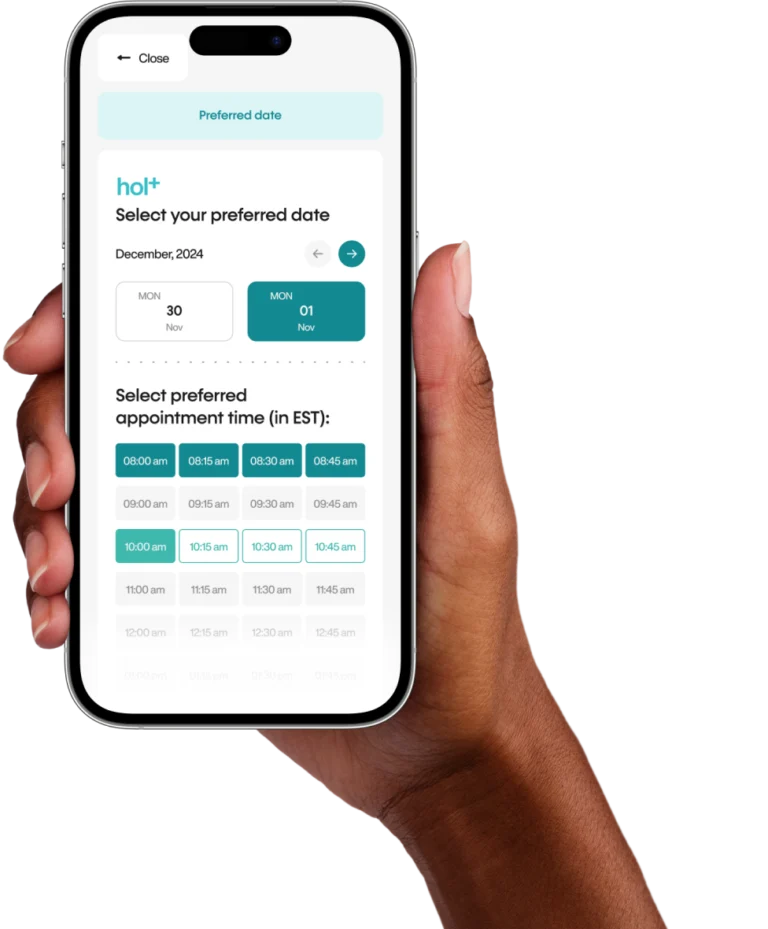
The hol+ Functional Medicine Approach to Adrenal and HPA Health
At hol+, we meet you at that point where fatigue, brain fog, and overwhelm have become the norm.We look at everything that brought you to this point, and then we build a plan that helps you reset from the root.
Your stress system is adaptive. When it’s been under pressure for too long, the brain-adrenal connection starts misfiring, which throws off energy, mood, hormones, digestion, and sleep. Our role is to figure out what’s overloading your system and then guide you through what it needs to regulate again.
Functional Testing That Tells the Full Story
Before we begin care, we use targeted diagnostics to get a clear picture of your hormone health, adrenal function, nutrient reserves, and gut stability.
- DUTCH testing to track cortisol, DHEA, estrogen, progesterone, and melatonin
- Salivary cortisol mapping for real-time rhythm tracking
- Micronutrient and gut testing to uncover hidden stressors
Personalized Protocols, Backed by Clinical Insight
Once we’ve mapped your body’s stress response, we design a supplement plan specific to your physiology and phase of healing. This isn’t a one-size-fits-all protocol—it’s carefully built around what your system needs now and how it responds over time.
We use high-quality adaptogens, phospholipids for cell repair, B vitamins for adrenal function, omega-3s to calm inflammation, and mitochondrial support when energy is deeply depleted. Each layer is added with purpose and adjusted based on your progress.
Rooted Nutrition and Gentle Lifestyle Shifts
We work with you to build a nutrition plan that keeps blood sugar steady, supports hormone production, and nourishes your nervous system.
Our health coaching goes beyond meal plans. We’ll guide you through breathwork, sleep rhythms, mindset tools, movement support, and nervous system care. From Ayurvedic practices and acupuncture to IV nutrient therapy, we pull from integrative medicine where it fits best, giving you tools that align with your body and life.
Your burnout isn’t a mystery. It has a rhythm, a cause, and a way forward. We’re here to help you uncover that, and rebuild the foundation your health has been asking for.
Let’s Build a Plan That Actually Works for You
HPA axis dysfunction symptoms don’t show up all at once. They build gradually: tired mornings, wired nights, mood shifts, cravings, and cycles that feel off. When the stress system slips out of rhythm, it affects everything from hormones to energy to how clearly you can think.
You don’t have to keep pushing through. If you’re seeing yourself in these patterns, it’s time to get clarity and support that actually matches what your body’s going through. Schedule a consultation with our team and take the first step toward a plan that helps you recover fully – with care that’s built around you.
FAQs
What are the most common HPA axis dysfunction symptoms?
HPA axis dysfunction symptoms often include low energy, trouble falling asleep, brain fog, mood swings, sugar or salt cravings, and a general sense of being wired but exhausted. These patterns can show up gradually and are your body’s way of signaling that the stress system needs support, not just more rest or motivation.
Can HPA axis issues affect my mental health?
Yes, absolutely. Chronic stress can disrupt neurotransmitters like serotonin and GABA, leading to anxiety, irritability, or emotional reactivity. Many people with HPA imbalance feel easily overwhelmed or stuck in high-alert mode. Supporting cortisol regulation and nervous system repair can make a noticeable difference in emotional stability and overall resilience.
Is HPA dysfunction something I can reverse naturally?
With the right support, yes. Healing involves a mix of targeted nutrition, consistent sleep, stress regulation, and appropriate supplementation. Adaptogens, phospholipids, and nutrient therapy help restore cortisol rhythm, while daily habits like breathwork, movement, and meal timing support long-term repair. It’s not overnight, but the body responds well when given the right conditions.
Does hol+ offer testing for cortisol and hormone levels?
Yes. We offer advanced tests like DUTCH hormone panels, salivary cortisol mapping, and nutrient testing to understand how your HPA axis is functioning throughout the day. These insights help us tailor your care based on your body’s specific needs and make sure nothing important gets missed.
Can I work with hol+ if I don’t live nearby?
You can. We work with many clients virtually and offer remote testing kits, telehealth consultations, and coaching that fits your schedule. Whether you’re local or out of state, we make sure you’re supported with real-time guidance and follow-through.
What kinds of treatments does hol+ recommend for HPA recovery?
We use a combination of adaptogens, targeted nutrients, lifestyle coaching, nervous system support, and when appropriate, therapies like IV nutrition or acupuncture. Every plan is customized—some need gentle rebuilding, others need more structured hormonal and metabolic support. We adjust as you progress so the care continues to match your needs.