

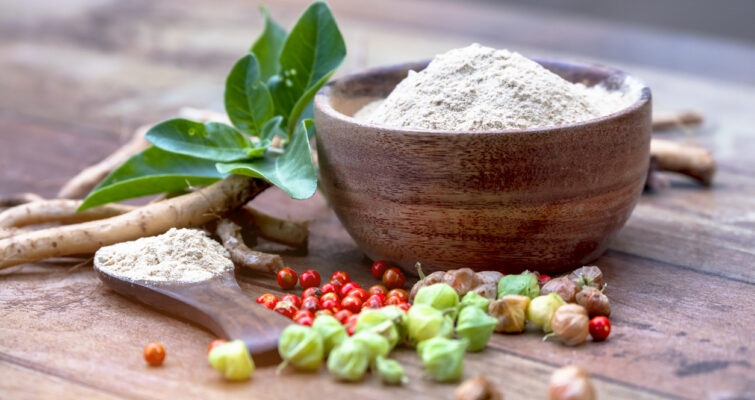
Holy basil vs ashwagandha might seem like a simple choice between two herbal favorites, but each one works differently – and shines brightest depending on what kind of stress your body is navigating. Some stress hits fast and sharp. Other times, it lingers, drains your energy, and fogs up your focus. Knowing the difference matters when you’re picking the right kind of support.
At hol+, we work with both herbs regularly and often help our clients understand how to use them based on their individual stress patterns. They’re both powerful, but the right match can make all the difference in how supported you feel day to day. Let’s take a look at what each one offers and how to find what fits you best.
Adaptogens Explained: Simple, Science-Backed, and Useful
There’s a lot of buzz around adaptogens, and for good reason. These herbs and nutrients support your body’s ability to handle stress, without overstimulating or numbing your natural rhythms. Instead, they work gently and steadily, nudging your system toward balance over time. If you’ve ever felt like stress was draining your battery or leaving you mentally scattered, adaptogens might be what your body has been missing.
What Adaptogens Actually Do
Adaptogens help your body respond to physical, emotional, and environmental stress more efficiently. They help regulate and support your response so you’re not constantly on edge or feeling flattened by fatigue. These herbs interact with systems like the endocrine and immune system, and they support more stable cortisol levels across the day. Over time, this can mean steadier energy, better sleep, improved mood, and fewer stress-related crashes.
Some adaptogens are calming and slow things down, while others are more energizing and supportive when you’re dragging. This is where understanding your personal stress type makes a big difference.
How Stress Affects the HPA Axis
Your body has a built-in stress response system called the HPA axis. It’s short for hypothalamic-pituitary-adrenal axis, and while that sounds like a mouthful, it’s your body’s command center for managing stress hormones. When stress hits, the HPA axis signals your body to release cortisol so you can respond and recover. But when stress is constant, this system can fall out of rhythm.
Some people stay in a hyper-alert mode, wired but exhausted. Others feel totally depleted. This is where chronic symptoms start to show up: brain fog, sleep issues, cravings, mood swings, and that nagging sense of never feeling quite rested. Adaptogens help regulate this system, offering gentle support to bring things back into range.
Why Personalized Adaptogen Support Matters
Stress doesn’t look the same for everyone. Some people feel anxious and overstimulated. Others are completely drained. And then there’s that foggy middle ground where your brain feels half-awake and your body’s just coasting. The type of adaptogen that helps most depends on where your system is sitting on that spectrum.
If you’re feeling wired and overwhelmed, calming adaptogens like holy basil can help take the edge off. If you’re feeling flat and tired no matter how much you sleep, something more supportive like rhodiola or eleuthero may be better. The key is knowing your pattern and using adaptogens in a way that supports what your body actually needs.
Holy Basil (Tulsi): Gentle Support for Mental Clarity and Cortisol Regulation
Holy basil is one of those herbs that just fits into modern life. If your brain runs fast, your to-do list never ends, and your body stays in “on” mode well into the night, tulsi can offer the kind of steady support that helps you stay sharp without staying wired. It works gently, which makes it easy to add to your daily rhythm without feeling like you’re adding another thing.
Calms Racing Thoughts and Mental Overload
Holy basil supports a calm, alert mind. It doesn’t shut you down or make you foggy, but helps dial down the mental noise so you can think clearly without burning out by noon. People often describe it as feeling lighter or more focused, especially if they’ve been struggling with anxious thoughts or stress-related tension.
Cortisol Regulation Without Sedation
This herb works with your body’s HPA axis to bring cortisol into a more natural rhythm. It doesn’t suppress your stress response, but helps make it more responsive, so you’re not stuck in high-alert mode all the time.
Holy basil helps smooth out cortisol spikes in the morning and late-day surges that keep your brain buzzing. It also makes a great midday or late afternoon tea for people who need to slow down, but still need to function.
Antioxidant and Immune Support
Beyond mood and focus, holy basil has antioxidant compounds that protect against oxidative stress – the kind that builds up when your body’s under constant pressure. It also supports immune resilience, especially during high-stress periods when people are more prone to getting sick.
Tulsi’s immune-modulating effects make it a great year-round herb, especially if stress tends to show up as colds, congestion, or feeling rundown.
Ideal for Busy Brains and Type A Energy
If you’re a go-go-go person with a mind that never really rests, holy basil can help bring some ease into your system. It’s especially useful for:
- Type A personalities who over-function under stress
- Overthinkers who feel stuck in analysis mode
- Mental fatigue with a side of irritability
- Stress-related insomnia and restlessness
Want to learn more? Schedule a FREE 15 minute consultation
Schedule Your Consultation
Ashwagandha: Restorative Strength for Burnout and Hormonal Imbalance
Ashwagandha is best for the deeper kind of fatigue – the kind that doesn’t go away with a nap or a weekend off. If you’ve been pushing through stress for a long time and your body feels worn out, this is the adaptogen you want to reach for. It helps rebuild strength from the inside out.
This herb supports adrenal recovery, boosts physical stamina, and brings cortisol into a more supportive pattern.
Nervous System and Adrenal Recovery
Ashwagandha calms the nervous system, especially after long-term stress or trauma. It helps shift the body out of a chronic fight-or-flight state and supports deeper rest and repair. It’s particularly helpful for those who feel numb or easily overwhelmed.
Hormonal Support and Energy Building
Ashwagandha has been shown to support thyroid function, especially in cases of low T3 or subclinical hypothyroidism. It also boosts testosterone levels in men and supports libido across all genders. If stress has left you feeling disconnected from your energy or physical vitality, this herb can help bring it back online.
It’s considered anabolic, meaning it supports growth, rebuilding, and nourishment – things that often fall by the wayside during burnout.
Keep in mind: if you have a thyroid condition or are taking thyroid medication, it’s important to work with a qualified healthcare practitioner. While ashwagandha can support low thyroid function, it may increase thyroid hormone activity to a degree that causes thyrotoxicosis (a condition where thyroid hormone levels become too high) in some individuals. Safe, strategic use is key when it comes to hormone support.
Ideal for Deep Fatigue and Hormone Imbalance
Ashwagandha works well for people who are:
- Depleted from chronic stress or burnout
- Struggling with fatigue that doesn’t improve with rest
- Low libido or hormonal irregularities
- Feeling emotionally flat or disconnected
- Dealing with low thyroid or adrenal function (consult with your healthcare practitioner first)
Which One for Your Stress Type?
Your body’s stress response tells a story. Some people feel revved up all day, running on high gear with a nervous system that won’t quite settle. Others feel drained, like their energy dropped off a cliff somewhere between breakfast and dinner. Choosing the right adaptogen starts with noticing how stress is actually showing up for you.
If you’re wired but tired – mentally buzzing but physically worn out – holy basil tends to be a great fit. It helps calm the mind while still keeping you clear and focused.
If you find yourself crashing every afternoon or needing caffeine just to get through the day, ashwagandha is usually more supportive. It helps restore deep energy without pushing your system too hard.
For anxious minds, racing thoughts, or irritability that feels hard to shake, holy basil brings a steadying calm that helps smooth out emotional edges.
If you’re struggling to recover after stress (maybe your hormones feel off, or your energy just never fully refills) ashwagandha helps your body rebuild and re-regulate at a deeper level.
You might even feel a mix of all these patterns. That’s common, and that’s where layering support intentionally really helps.
Can You Take Holy Basil and Ashwagandha Together?
Short answer: yes, and it actually works beautifully for many people. These two herbs complement each other well. While holy basil supports mental clarity and helps regulate stress-related cortisol spikes, ashwagandha works more deeply to rebuild energy and stabilize hormone patterns impacted by long-term stress.
When taken together thoughtfully, they offer a steady, two-layered kind of support.
How to Use Them in Your Day
A simple way to take both herbs is to time them with your energy needs.
- Holy basil tends to work best earlier in the day – morning to early afternoon – when you want to stay clear-headed and grounded.
- Ashwagandha pairs well with evenings or later in the day, when your body is winding down and ready for deeper repair.
Some formulas combine them into one capsule or tincture, and that works well too, especially if the amounts and standardizations are designed to work together safely.
When to Be Cautious
While these herbs are generally well-tolerated, there are some cases where combining them might not be a good fit.
People with low thyroid function, autoimmune conditions, or on certain medications (like sedatives or thyroid meds) should speak with a practitioner before starting both at once. If you’re pregnant or breastfeeding, hold off unless your provider gives the go-ahead.
Adaptogens are powerful—but they’re still herbs, and they do interact with body systems. It’s always a good idea to work with someone who knows your health history.
Why Standardized Extracts Matter
When you’re combining adaptogens, consistency is key. You want to know exactly what you’re getting and at what strength. Look for standardized extracts – these ensure each dose delivers the right amount of active compounds, like withanolides in ashwagandha or ocimumosides in holy basil.
Standardization also makes it easier to adjust your dose or track what’s working over time. It brings reliability to the world of herbs, which helps them work smarter and safer in your routine.
HPA Adapt: Both Herbs in One Clean Formula
If you’re curious about trying both herbs – or just want a balanced formula designed to support the full spectrum of stress – HPA Adapt is a great place to start. It’s a practitioner-trusted blend that brings together:
- Sensoril® Ashwagandha
- Holy Basil Leaf extract
- Rhodiola Root
- Eleuthero Root
This combination supports energy, mood, focus, and nervous system recovery – without overstimulation. It’s crafted for people who are under chronic stress or navigating burnout, and want to build back resilience gradually. Shop it here.
A Care Plan That Actually Matches Your Stress Type
Every body responds to stress in its own way – racing thoughts, hormone shifts, fatigue that doesn’t budge, or a nervous system that’s stuck in overdrive. At hol+, we get to the root of what’s really happening by listening to your story, running the right tests, and building a care plan that actually fits your day-to-day life.
We combine functional medicine with thoughtful, holistic support so you’re healing the systems behind them, at a pace that works for you. Whether you’re feeling wired, depleted, or just totally off your rhythm, our goal is to help you feel steady and clear again.
Testing That Shows Us the Full Picture
When you’re dealing with stress-related symptoms, it’s easy to feel like something’s off but not know exactly where to start. That’s where testing comes in. We use simple at-home and in-clinic options to map out how your body is responding to stress on a biochemical level.
Some of what we may use:
- Cortisol and adrenal rhythm testing (saliva, urine, or blood) to track your energy curve throughout the day
- Hormone panels to see how stress may be affecting your thyroid, sex hormones, or insulin regulation
- Neurotransmitter and gut testing to explore root causes of anxiety, sleep disruption, and burnout
Supplements That Match Your Stress Type
Once we understand your specific stress pattern, we help you build a supplement routine that’s targeted and effective.
We guide you in choosing the best adaptogens for your stress type, and we also include nutrients that support real recovery like magnesium for nervous system tension, B-complex for energy and brain chemistry, or amino acids for mood and focus.
Mind-Body Tools That Support Real Recovery
Stress lives in the body, so we bring in therapies that help it release and reset. Acupuncture is one of our favorite tools for shifting the nervous system into repair mode. IV nutrient therapy gives your cells what they need when oral supplements just aren’t enough. And our coaching team helps you shift stress patterns from the inside emotionally, behaviorally, and mentally.
Food as a Foundation for Hormone and Stress Health
Your food habits play a huge role in how your hormones and stress response function, so nutrition is never an afterthought. We create functional nutrition plans that help stabilize your blood sugar, support hormone production, reduce inflammation, and give your body what it needs to heal.
Get the Support Your Stress Type Needs
Stress, hormone shifts, and nervous system imbalances don’t always show up loudly but your body keeps the score. Whether you’ve been stuck in fight-or-flight, worn down by fatigue, or feeling like your brain just won’t cooperate, tools like adaptogens, testing, and nutrition can help restore real function and daily ease.
At hol+, we help you figure out what’s actually happening in your body, and we build care that fits your life. This is personalized, root-level support designed for how you truly feel. Ready to start moving forward with clarity and calm? Schedule a consultation with our team today.
FAQs
What’s the difference between holy basil vs ashwagandha?
Holy basil tends to support focus, stress regulation, and mental clarity – great if you’re wired, anxious, or mentally overloaded. Ashwagandha is more restorative and grounding, especially for deep fatigue, hormone imbalance, or burnout. Some people do well with both, but your ideal match depends on how stress is showing up in your body.
Can I take holy basil and ashwagandha long-term?
Yes, both are safe for most people when taken consistently over time. They work best when used daily and adjusted seasonally or as your stress patterns shift. It’s still smart to check in with a practitioner every few months, especially if you’re combining them or managing health conditions.
Will holy basil or ashwagandha affect my sleep?
They can, in helpful ways. Holy basil supports better sleep by calming mental chatter and easing late-night cortisol spikes. Ashwagandha helps regulate sleep-wake cycles by calming the nervous system and supporting adrenal recovery. Many people find ashwagandha works especially well taken in the evening.
What kinds of stress patterns do you work with at hol+?
We see it all—from high-functioning anxiety and insomnia to full-blown burnout and hormone-related fatigue. Whether you’re wired, tired, irritable, foggy, or all of the above, we help you understand what’s really happening in your body and what will help you feel better.
Do I have to get lab work done to work with hol+?
No, but we do offer functional testing when it adds clarity to your care. We often use hormone, cortisol, gut, and nutrient testing to get a deeper understanding of what’s affecting your stress response.
Do you offer virtual consults?
Yes. Many of our clients work with us remotely, from first consult to follow-up. We make it simple to test from home, access practitioner-grade supplements, and stay supported through a plan that’s designed around your real life.