
The hol+ approach to viewing PCOS as a whole-body clinical condition is nothing new; our physician-led team has always regarded it as a systems condition rather than something that can be managed by simply suppressing a list of symptoms. The change in name to PMOS in 2026 signifies within conventional medicine what functional and integrative medicine have recognized for years – it is a metabolic and endocrine issue, not one involving cysts.
If you have been told you have PCOS and handed a prescription for the pill, or told your lab results are "fine" even though you are still experiencing irregular cycles, weight that doesn’t seem to respond, acne, unwanted hair growth, hair thinning, or trouble getting pregnant, hol+ can help you look deeper. Our approach involves identifying which factors are fueling your PCOS and then building a personalized holistic plan around the root cause, not the label or diagnosis.
Polycystic ovary syndrome (PCOS), which has now officially been renamed Polyendocrine Metabolic Ovarian Syndrome (PMOS), is one of the most common hormonal disorders among women and is also one of the most misunderstood. Although it affects the ovaries, it is not merely an ovarian issue since it is a metabolic and endocrine condition affecting the whole body, including blood sugar, insulin, androgens, inflammation, mood, and fertility.
What Is PCOS (PMOS)?
PCOS is a hormonal and metabolic disorder that influences the way the ovaries function and the way the body handles hormones and blood sugar; it is generally identified by a mix of irregular or missing ovulation, signs of elevated androgen levels (acne, the growth of unwanted hair, or thinning of the hair on the scalp), and, in certain instances, a particular appearance of the ovaries when seen on ultrasound. It should be noted that despite the old name, many women with PCOS have no ovarian cysts at all, which is one of the main reasons for the change of the name.
PCOS is common and yet not widely recognized. It is thought to occur in about one in eight to one in ten women of reproductive age, and a large number of cases remain undiagnosed or are incorrectly diagnosed for years. Since the symptoms are diverse and overlap with those of other conditions, many women go from one doctor to another without receiving a clear explanation.
Above all, PCOS is not limited to the reproductive system since it is closely associated with insulin and blood sugar regulation, inflammation, stress physiology, thyroid function, and long-term metabolic and cardiovascular health. That's why hol+ evaluates PCOS as a whole-body pattern, and why the new name, PMOS, suits the condition much better than the previous name.
Why PCOS Is Now Called PMOS
In May 2026, more than 50 international patient and professional organizations, including the Endocrine Society, adopted the name Polyendocrine Metabolic Ovarian Syndrome following a global consensus published in The Lancet. The old name pointed to ovarian cysts that many women never have. The new name reflects what the research shows: a multi-system hormonal and metabolic condition affecting metabolism, mental health, and reproduction.
For hol+ patients, three things are worth knowing:
PCOS and PMOS are the same condition; the name changed, the diagnosis did not.
You will still see "PCOS" on lab reports, insurance forms, and in most clinics for the foreseeable future, so we use both terms.
The rename validates the approach hol+ has always taken.
Who Is PCOS (PMOS) Care For?
PCOS (PMOS) care offered at hol+ is not just about prescribing the pill; it is aimed at women who want to understand why their body is behaving as it is and who wish to tackle the problem at its root.
A large number of patients come to hol+ after having been ignored for years, having been given the advice to 'lose weight' without any kind of plan, or having been prescribed birth control that hides their symptoms rather than tackling the fundamental root cause. There are also those who are trying to get pregnant or who are coming off hormonal birth control and therefore encountering PCOS (PMOS) symptoms for the first time.
You may benefit from a functional medicine evaluation for PCOS (PMOS) if you experience:

Irregular, infrequent, or absent menstrual periods

Difficulty losing weight, or weight gain around the midsection

Acne, especially along the jaw and chin

Unwanted hair growth on the face, chest, or abdomen (hirsutism)

Scalp hair thinning or male-pattern hair loss

Difficulty getting or staying pregnant

Sugar cravings, energy crashes, or signs of insulin resistance

A diagnosis of PCOS with no plan beyond birth control
Skin tags or darkened patches of skin

"Normal" labs despite clear symptoms

Mood changes, anxiety, or low mood
PCOS (PMOS) symptoms are similar to those of thyroid imbalance, hypothalamic amenorrhea, hormone imbalance, and metabolic conditions. Since hol+ looks at the full pattern, treatment is based on the correct root cause rather than making assumptions about the symptoms.
Book a 15 Min Consultation
How We Help
Root Causes We Address
PCOS (PMOS) root causes and contributors we may evaluate include:
Because these drivers overlap and reinforce one another, PCOS (PMOS) rarely responds well to a single-lever fix. That's why hol+ maps the full pattern before building a holistic treatment plan.
The PCOS (PMOS) Patterns We See
One of the most useful aspects of a functional medicine evaluation is identifying which PCOS (PMOS) pattern is most active. Although most women have a mixture of patterns, one pattern tends to dominate, and naming it changes the course of treatment. This is at the heart of the way hol+ delivers care.
Insulin-resistant PCOS (PMOS)
The most common pattern, driven by high insulin and blood sugar dysregulation. Often involves weight gain, sugar cravings, and elevated androgens.
Inflammatory PCOS (PMOS)
Driven by chronic inflammation, which can push the ovaries to produce excess androgens. May involve fatigue, skin issues, and digestive symptoms, with elevated inflammatory markers.
Adrenal PCOS (PMOS)
A stress-driven pattern where excess androgens come primarily from the adrenal glands rather than the ovaries, often reflected in elevated DHEA-S.
Post-pill PCOS (PMOS)
A temporary surge in androgens and symptoms after stopping hormonal birth control, which often settles with the right support.
Identifying your pattern is not about a rigid label. It is about aiming treatment at the actual driver of the condition.
Not sure where to start?
Schedule your free 15-minute consultation and we'll help you find the right path.
Schedule a 15 Minute Consultation ➞
The hol+ Approach Framework
hol+ views PCOS (PMOS) as part of a larger biological system. The ovaries, pancreas and insulin signaling, adrenal glands, thyroid, gut, and immune system are all in constant communication. When one of these systems is dysregulated, PCOS (PMOS) symptoms become harder to resolve.
Our framework may include evaluation of:
Metabolism & Insulin
Because insulin resistance drives most PCOS (PMOS) cases, metabolic health is central.
hol+ evaluates blood sugar, insulin, and metabolic markers, the same axis the new PMOS name puts front and center.
Androgens & Reproductive Hormones
We assess androgens (such as testosterone and DHEA-S), LH/FSH balance, and cycle patterns.
Together these reveal your PCOS (PMOS) hormonal signature and what is driving it.
Inflammation
hol+ evaluates inflammatory patterns as part of whole-body care.
Inflammation can stimulate androgen production and worsen insulin resistance.
Stress Physiology & Adrenals
Chronic stress can drive adrenal androgen output and disrupt blood sugar and cycles.
Supporting the stress response is often part of a PCOS plan.
Thyroid
Thyroid dysfunction can mimic or worsen PCOS.
Evaluating thyroid function helps confirm the diagnosis and clarify what is truly driving symptoms.
Gut Health
The gut microbiome influences hormone metabolism, inflammation, and blood sugar.
All of it relevant to PCOS. See how hol+ approaches digestive health.
Book a 15 Min Consultation
What we Offer
hol+ Services for PCOS (PMOS)
PCOS (PMOS) and Metabolic Health
Because insulin resistance sits at the center of most PCOS (PMOS) symptoms, metabolic care is the foundation. hol+ evaluates and supports blood sugar and insulin as a first-line holistic strategy, consistent with current research and the metabolic emphasis of the PMOS renaming.
Care may include evaluation of:
- Blood sugar, insulin, and metabolic markers
- Weight and body-composition changes
- Sugar cravings and energy patterns
- Nutrient markers that affect metabolism
- Long-term diabetes and cardiovascular risk
PCOS (PMOS) and Hormone Balance
hol+ evaluates androgens and reproductive hormones in the context of the whole endocrine system, connecting care with hormone balancing when broader support is needed.
Care may include evaluation of:
- Androgen levels and their source (ovarian vs. adrenal)
- Cycle regularity and ovulation
- Acne, hirsutism, and hair thinning
- Whether hormonal support is appropriate for you
- Symptoms overlapping with thyroid or adrenal patterns
PCOS (PMOS) and Fertility
PCOS (PMOS) is a leading cause of ovulatory infertility, but it is also one of the most responsive to holistic root-cause care. hol+ supports cycle regularity and ovulation and coordinates with fertility care when needed.
Care may include evaluation of:
- Ovulation and cycle patterns
- Metabolic and insulin factors affecting fertility
- Nutrient and lifestyle foundations for conception
- Coordination with reproductive care when appropriate
- Preconception planning
PCOS (PMOS) and Inflammation
Inflammation can both drive and result from PCOS (PMOS). At hol+ we address inflammatory contributors as part of a whole-body root cause plan.
Care may include evaluation of:
- Inflammatory markers when appropriate
- Diet and lifestyle factors that influence inflammation
- Gut and immune contributors
- Skin and digestive symptoms
- The inflammation–androgen connection
PCOS (PMOS) and Stress Physiology
For adrenal-driven and stress-amplified PCOS (PMOS), supporting the nervous system and cortisol (stress response) is often essential.
Care may include evaluation of:
- Adrenal androgen patterns (e.g., DHEA-S)
- Cortisol rhythm and stress load
- Sleep quality
- Blood sugar swings during stress
- Daily habits that affect recovery and resilience
PCOS (PMOS) and Coming Off Birth Control
For women navigating post-pill PCOS (PMOS) or coming off hormonal contraception, hol+ provides structured support through the transition rather than simply restarting the pill.
Care may include evaluation of:
- Post-pill hormonal rebound
- Cycle recovery and ovulation
- Nutrient depletion from long-term contraceptive use
- Symptom support during the transition
- Whether symptoms reflect true PCOS (PMOS) or a temporary rebound
Targeted Interventions
PCOS (PMOS) care at hol+ is not a generic protocol. Your plan is shaped by your pattern, symptoms, labs, history, and goals, whether your priority is regular cycles, clearer skin, weight and metabolic health, or fertility.
Targeted interventions may include:
- Comprehensive hormone and metabolic testing
- Nutritional optimization with a low-glycemic, anti-inflammatory foundation
- Targeted supplement protocols (such as inositol, vitamin D, magnesium, and omega-3s, as indicated)
- Insulin and blood sugar support
- Inflammation support
- Gut health support
- Stress physiology and sleep support
- Lifestyle medicine (movement, strength training, circadian support)
- Medication review and coordination when appropriate
- Ongoing monitoring and plan adjustment
Lab testing is personalized. Depending on your symptoms and medical history, evaluation may include androgens, insulin and glucose, LH/FSH, thyroid, inflammatory markers, and nutrient status, so the plan reflects your specific drivers of PCOS (PMOS).
Treatment options
Holistic Health Planned Around You
hol+ offers physician-led holistic menopause treatment that may draw from functional medicine, integrative medicine, nutrition, and lifestyle medicine. Your clinician will help determine which tools make sense for your symptoms and overall health history.
Functional Medicine
Functional medicine menopause care looks for the drivers behind symptoms and long-term risk — hormones, thyroid, metabolism, bone, gut, inflammation, and nutrient status — rather than treating each symptom in isolation.
Nutritional Therapy
Nutrition supports hormone balance, bone and heart health, blood sugar stability, and muscle maintenance. Through nutrition counseling, patients receive guidance tailored to their symptoms and goals.
Lifestyle Medicine
Lifestyle medicine focuses on the daily rhythms that shape menopause and postmenopause — strength training, sleep and circadian health, stress practices, and nutrition timing.
Acupuncture
Acupuncture may be used within an integrative plan to support hot flashes, sleep, stress regulation, and overall balance.
Hormone Support
When appropriate, care may include hormone replacement therapy or bioidentical hormone support, guided by testing, symptoms, and a careful review of your history and risk profile.
Mind-Body Medicine
Mind-body medicine may support women whose menopause symptoms are entangled with stress, anxiety, sleep disruption, or nervous system overload.
Not sure where to start?
Schedule your free 15-minute consultation and we'll help you find the right path.
Schedule a 15 Minute Consultation ➞
Benefits of Treatment
Why holistic treatment matters
PCOS (PMOS) care should be individualized and medically guided.
While results vary, women often seek holistic PCOS care to support:

More regular, predictable cycles

Healthier weight and body composition

Better blood sugar and metabolic health

Improved fertility and ovulation

Clearer skin and reduced unwanted hair growth

Steadier mood and energy


The goal is not simply to mask symptoms with the pill, but to address the metabolic and hormonal drivers underneath, supporting how you feel now and protecting your long-term metabolic, cardiovascular, and reproductive health.
Risks and Considerations
PCOS (PMOS) deserves careful, individualized medical evaluation, because its symptoms overlap with several other conditions and it carries real long-term health implications.
Important considerations include:
- PCOS (PMOS) shares risk factors with type 2 diabetes and cardiovascular disease, so metabolic health matters well beyond fertility
- Conditions such as thyroid disorders and hypothalamic amenorrhea can mimic PCOS (PMOS) and require an accurate diagnosis
- Hormonal birth control can relieve symptoms but may mask underlying imbalances; decisions should be individualized with a clinician
- A PCOS (PMOS) diagnosis should be made by a qualified clinician; this page is educational and not a diagnosis
- New or severe symptoms, including severe pelvic pain or thoughts of self-harm, require prompt medical attention
What to Expect as a Patient
The hol+ Patient Journey
PCOS (PMOS) care at hol+ follows a structured process that moves from symptomatic evaluation to deeper personalized holistic support.
Holistic and functional medicine operate from a different framework than traditional symptom-driven care. Rather than addressing health concerns in isolation, systems-based medicine evaluates how multiple physiological systems interact.
The human body functions as an integrated network. Hormonal signaling influences metabolism. Gut health affects immune function. Stress physiology alters inflammation, sleep, and metabolic balance. When one system becomes dysregulated, ripple effects can appear across many others.
Functional medicine focuses on identifying the system-level drivers behind symptoms. At hol+, clinicians evaluate health through a lens that distinguishes signal from static. Symptoms are viewed as signals that reflect deeper physiological patterns.
To understand these patterns, the clinical team may assess:
Hormone health and endocrine signaling
Metabolic function and energy regulation
Stress physiology and nervous system balance
Nutrient status and metabolic cofactors
Environmental exposures that influence immune or metabolic function
This framework reflects what hol+ refers to as the human health operating system—the network of biological processes that coordinate energy, immunity, and recovery. When this system operates in balance, the body can maintain resilience. When disruptions accumulate, symptoms may begin to appear.
Through systems-based medicine, a holistic doctor in Atlanta can evaluate these interconnected processes and identify where intervention may support improved function.
The first step involves a comprehensive health evaluation designed to map symptoms and health history.
This assessment may include:
- Detailed medical history review
- Symptom mapping
- Lifestyle and environmental analysis
The goal is to identify patterns that may influence system-level health.
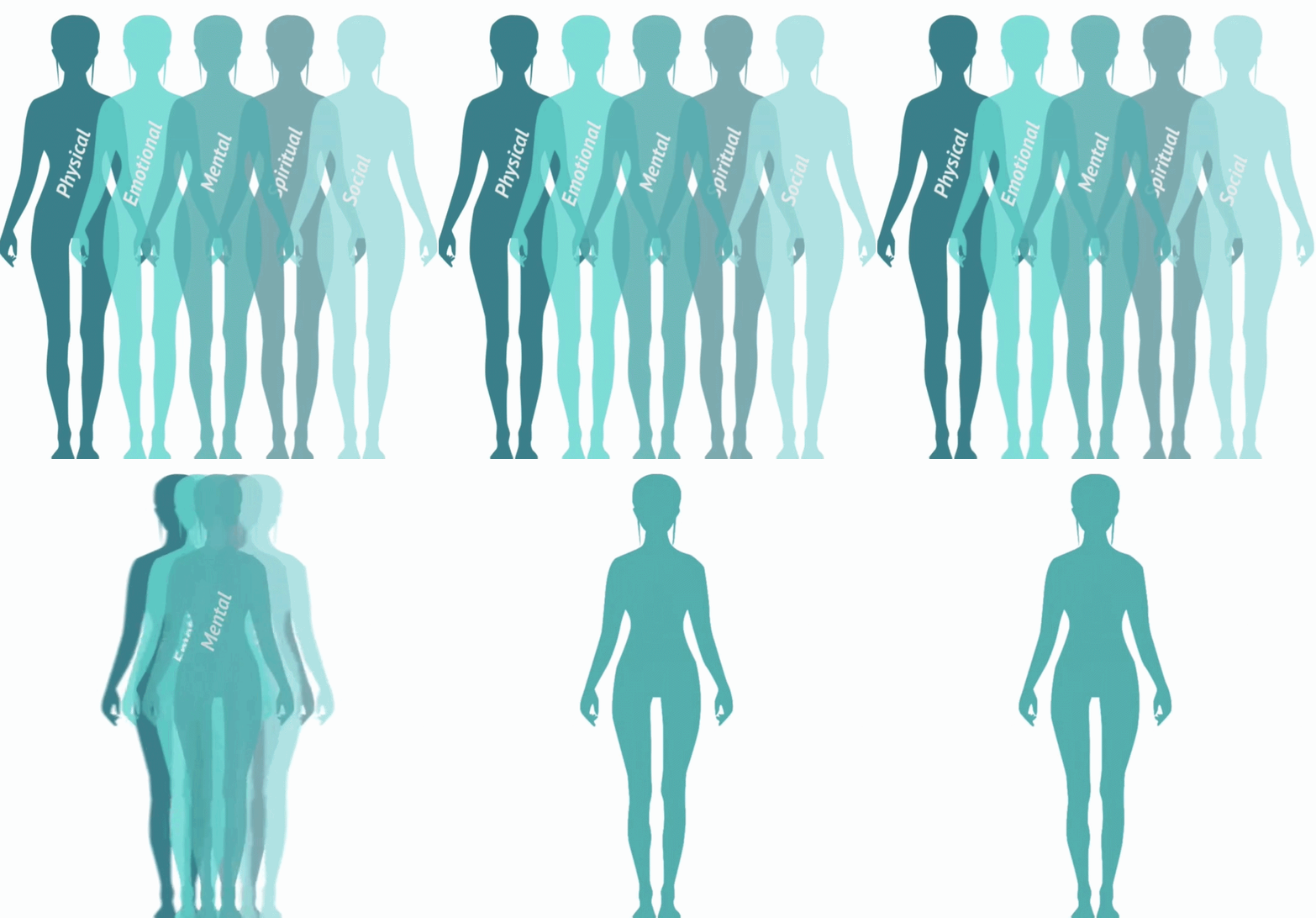
Using our proprietary 5 Body Map framework — Stress Engine, Processing System, Rhythm System, Defense System, and Power System — we map every system contributing to your metabolic challenge and design your personalized PowerRx protocol. Following evaluation and testing, physicians develop a personalized treatment strategy designed to support system-level health.
Care plans may include:
- Targeted nutrition strategies
- Lifestyle interventions
- Supplement protocols
- Integrative therapeutic approaches
Because every individual has unique biological drivers, treatment plans are designed around the patient’s health history and physiology.
Four to eight weeks of targeted interventions — gut healing, hormone optimization, anti-inflammatory protocols — to prepare your body for maximum medication response.
Monthly physician check-ins, quarterly labs, body composition tracking, and protocol adjustments. We monitor lean mass, metabolic rate, nutritional status, and medication response continuously.
Monthly physician check-ins, quarterly labs, body composition tracking, and protocol adjustments. We monitor lean mass, metabolic rate, nutritional status, and medication response continuously.
Not sure where to start?
Schedule your free 15-minute consultation and we'll help you find the right path.
Schedule a 15 Minute Consultation ➞
Why hol+ Is Different
hol+ provides physician-led holistic PCOS (PMOS) care grounded in root-cause analysis and whole-person medicine. Our approach combines conventional medical insight with functional medicine, integrative medicine, nutrition, lifestyle medicine, and mind-body support.
Women choose hol+ for PCOS (PMOS) care because we offer:
- Doctor-led evaluation: Clinicians review your symptoms in the context of your labs, history, medications, and whole-body patterns.
- Pattern-based diagnosis: hol+ works to identify which driver, insulin, inflammation, adrenal, or post-pill, is fueling your PCOS (PMOS), so treatment targets the cause.
- Comprehensive testing: When appropriate, care may include metabolic, androgen, thyroid, and inflammatory testing to clarify what basic labs may miss.
- Root-cause analysis: hol+ treats PCOS (PMOS) as the whole-body metabolic and endocrine condition it is, the same understanding reflected in the new PMOS name.
- Personalized treatment plans: Care may combine nutrition, lifestyle medicine, supplements, and integrative therapies, with medication coordination when appropriate.
- Whole-person support: PCOS (PMOS) is evaluated as part of a larger pattern that shapes how you feel, your fertility, and your long-term health.
Instead of managing PCOS (PMOS) with a single prescription, hol+ evaluates the larger system and builds a holistic plan around your body.
Take the Next Step
If symptoms are affecting your quality of life, you deserve care that looks deeper. hol+ provides integrative women’s health services designed to uncover root causes and guide long-term well-being.
Schedule a personalized evaluation with a hol+ provider to begin building a care plan for your next stage of life.
Book a 15 Min Consultation
live hol plus
Explore More at hol+
Menopause is easier to navigate with the right tools. These hol+ resources can help you check your own patterns, hear how our physicians think about hormones and healthy aging, and go deeper on what matters most to you.
Take a Quiz
Are my Hormones Balanced?
What’s My Hormone Type?
What’s my Weight Loss Type?
Listen & Watch
Hol+ EP51 – Normal Labs but Nothing Makes Sense? PCOS, Mood & Brain Health Explained with Dr. Sarah Oreck
Hol+ EP44 – PCOS Without Knowing It? What is PCOS in Women, How It’s Diagnosed, and Why 70 Percent Miss It
EP 284 – PCOS & Infertility: Debunking Myths & Managing Hormone Imbalance with Registered Dietitian Nutritionist Cory Ruth
Related Care at hol+
Hormone Balancing
Nutrition Counseling
Thyroid Disorders
Weight Loss & Weight Management
Women’s Health
If you are experiencing thoughts of self-harm or a mental health crisis, please seek help immediately, in the U.S., call or text 988 for the Suicide & Crisis Lifeline.
Medical Disclaimer
The contents of this website, such as text, graphics, images, and other material contained on this website, are for informational purposes only. The content is not intended to be a substitute for professional medical advice, diagnosis, or treatment.