


You’re not alone if you’ve noticed weird symptoms of low estrogen – the kind that feel random, disconnected, or hard to explain. These shifts can show up as changes in mood, sleep, skin, digestion, temperature, or even how clearly you think. Estrogen influences far more than your cycle, so when it dips, the effects ripple through systems you might never have linked to hormones. If you’ve been feeling “off” in ways you can’t quite name, your estrogen levels may be part of the story.
At hol+, we help women make sense of these changes using advanced hormone testing and a functional medicine approach. With personalized care that may include nutrition, lifestyle guidance, bioidentical hormones, and integrative therapies, we help you understand what your body is signaling and how to support it with clarity and confidence.
The “Weird” Symptoms of Low Estrogen You Might Be Ignoring
Estrogen impacts almost every organ and tissue in your body. While it’s best known for its role in reproductive health (regulating your cycle and supporting fertility) it also influences the brain, metabolism, bone density, and cardiovascular function. Estrogen keeps the lining of your blood vessels flexible, helps your brain make serotonin and acetylcholine for stable mood and memory, and plays a direct role in how your body uses energy. When estrogen dips, the symptoms can be widespread, subtle, and sometimes a little strange.
The Three Forms of Estrogen
There’s more than one type of estrogen. Your body produces three main forms:
- Estradiol (E2): The most potent and active form during reproductive years
- Estriol (E3): Increases during pregnancy, supportive for tissue health
- Estrone (E1): The dominant form after menopause
Each type has slightly different effects on tissues and organs. A healthy balance between these forms supports stable energy, mood, cognition, and metabolism. When levels shift, especially estradiol, your body often reacts in unexpected ways, leading to those “weird” symptoms that don’t fit the usual hormone checklist.
Read more: 5 Important Signs for Women with Hormonal Imbalance
Why Estrogen Balance Matters
Too little or too much estrogen, and the entire hormonal balance falls out of sync. Low estrogen in particular disrupts communication between your brain, immune system, metabolism, and even your connective tissues. That’s why you may feel off in more ways than one, from joint aches to sleep changes to sudden skin sensitivity.
Unusual Symptoms Linked to Low Estrogen
Low estrogen can create a constellation of issues that don’t always seem connected at first. These often-overlooked signs may include:
- Unexplained anxiety, irritability, or mood swings that show up without warning
- Trouble staying asleep, especially waking up in the early morning hours
- Joint pain, stiffness, or new body aches
- Heart palpitations or a fluttery feeling, even with a normal EKG
- Itchy skin or ears, without any visible rash or allergy
- Dry eyes or mouth that feels parched
- Brain fog, word-finding trouble, or forgetfulness
- Vaginal dryness or discomfort during sex, which can appear suddenly
These symptoms can be quiet and come and go. For many women, they become most obvious in perimenopause or after surgical menopause, but younger women with low estrogen (from birth control, stress, or medical conditions) can notice them too.
If you’re experiencing several of these symptoms at once, or if you’ve tried other remedies without relief, it might be time to look at your hormone levels more closely.
Why You Might Be Experiencing Low Estrogen
There are many reasons estrogen can shift, and if you’re feeling “off,” you might already be sensing those changes in small, everyday ways. Estrogen is influenced by age, stress, lifestyle, and underlying metabolic patterns, so the causes can vary widely from person to person.
Natural Life Stages: Perimenopause, Menopause, and Postpartum
Estrogen naturally changes through major reproductive transitions. During perimenopause, levels begin to fluctuate long before they fully decline, which is why symptoms can appear even if your cycle is still regular. Menopause brings a more consistent drop, and postpartum also comes with significant hormonal shifts as the body transitions out of pregnancy. These stages influence mood, sleep, skin hydration, and cognitive clarity in noticeable ways, and the changes often unfold gradually.
The Impact of Stress on Hormone Production
Your body adjusts hormone output based on how safe and supported it feels. When stress levels climb (whether from chronic overload, emotional strain, or illness) your brain may shift resources toward cortisol production. That shift can reduce the signals needed for healthy estrogen production. Many women going through high-stress periods notice new symptoms like sleep changes, brain fog, or mood swings, which often reflect hormonal changes happening in the background.
Here are some stress-related contributors:
- Constant overwork or burnout
- Emotional stress without adequate recovery time
- Inflammation or chronic illness
- Long-term sleep disruption
These patterns influence hormone signaling and can lead to lower estrogen over time.
Read more: Calm Your Nervous System and Avoid Stress Triggers
How Undereating or Overtraining Can Influence Estrogen
Your body produces estrogen partly in response to energy availability. When calorie intake is too low or exercise is consistently intense without enough recovery, the brain may reduce reproductive hormone signaling. This can lead to lighter cycles, irregular periods, or symptoms of low estrogen even if you’re younger. If you’ve increased exercise recently or shifted your eating patterns, your body might be adjusting its hormone output in response.
Conditions That Affect Estrogen Levels
Certain medical conditions can influence how your body produces or responds to estrogen. PCOS, thyroid dysfunction, and autoimmune disorders can each shift hormone balance in different ways. These conditions often alter the way your ovaries communicate with your brain, which affects the overall rhythm of estrogen production. If you’ve been diagnosed with one of these conditions or suspect something deeper is happening, it may be helpful to explore a complete hormone panel.
Hormone Changes After Stopping Birth Control
After discontinuing hormonal birth control, your body begins reestablishing its natural hormone rhythms. This process can take time. Some women experience a temporary low-estrogen state during this transition, especially if their cycle was irregular before starting birth control. Symptoms like dryness, mood shifts, sleep changes, or light cycles may appear as your hormone pathways recalibrate. This adjustment phase is common and becomes easier to navigate with support and guidance.
Food, Metabolism, and Hormones: The Important Trio Behind How You Feel
Your body doesn’t just produce estrogen – it has to process it, transform it, and eventually clear it. That entire journey relies heavily on your liver, gut, and nutrient status. When these systems run smoothly, your body maintains a comfortable hormonal rhythm. When they’re overloaded, stressed, or nutrient‑depleted, estrogen metabolism can shift in ways that affect mood, skin, energy, sleep, and those subtle “off” sensations you may feel.
How the Liver Handles Estrogen and Its Metabolites
Your liver manages estrogen through a series of biochemical steps that convert it into metabolites your body can safely eliminate. These pathways depend on nutrients, antioxidants, and enzymes that work together to keep estrogen moving efficiently. When the liver is burdened by inflammation, stress, poor sleep, or nutrient depletion, these processes may slow down. That slowdown can influence the balance between different estrogen metabolites, which may affect how you feel day to day.
Here are some of the supportive elements your liver relies on:
- Phytonutrients found in cruciferous vegetables
- B vitamins and antioxidants
- Adequate protein for enzyme production
These inputs strengthen the pathways that help your body handle estrogen effectively.
The Role of Cruciferous Vegetables: I3C and DIM
Cruciferous vegetables (like broccoli, Brussels sprouts, and cauliflower) contain compounds that support estrogen metabolism. Two of the most researched are I3C (indole‑3‑carbinol) and DIM (diindolylmethane). These compounds help guide estrogen toward more protective, stable metabolites. Many women notice improvements in mood, skin clarity, and cycle comfort when their diet consistently includes these vegetables.
Why Gut Health Matters for Estrogen Clearance
Your gut helps determine whether estrogen exits your body smoothly or gets recirculated. When the gut microbiome is healthy, estrogen metabolites move through the digestive tract and are eliminated efficiently. When the microbiome is imbalanced, certain enzymes can cause estrogen to be reabsorbed. This can influence the body’s overall estrogen environment and create symptoms tied to both low and fluctuating levels. Supporting gut health is a meaningful way to help your hormones feel more stable.
Supportive Foods That Strengthen Estrogen Balance
Whole foods can play an important role in supporting estrogen metabolism. Foods rich in fiber and antioxidants help the liver and gut work efficiently, while certain seeds and vegetables provide supportive phytonutrients. These foods are easy to incorporate into meals and can gently improve how your body handles hormonal shifts.
Supportive options include:
- Flaxseed
- Berries
- Dark leafy greens
- Cruciferous vegetables
Adding these regularly gives your body reliable support for hormone processing.
Support Natural Estrogen Balance From Within
If low estrogen symptoms are beginning to affect your daily life, it’s worth looking at how your body metabolizes and clears hormones. Supporting these pathways reduces the burden on your liver and helps keep estrogen in a healthier, more comfortable range. This approach often improves symptoms that feel mysterious or disconnected, because you’re supporting the foundation of hormone balance.
A hol+ Favorite: Targeted Support With Meta I‑3‑C®
At hol+, we love Metagenics Meta I‑3‑C® for its ability to help women strengthen their estrogen metabolism pathways. Its key ingredient, indole‑3‑carbinol (I3C), comes from cruciferous vegetables and encourages the formation of more protective estrogen metabolites. The formula also includes rosemary extract and vitamin E to support tissue health and reduce oxidative stress that may influence hormonal balance. It’s a thoughtful, science‑backed option for women wanting deeper support during hormonal transitions. Shop it here!
Going Beyond Symptoms: The hol+ Way to Hormone Health
Hormones shape everything from how you wake up to how you handle stress, recover after exercise, or even crave certain foods. At hol+, we see hormone health as a core part of your overall vitality. When you walk through our doors (or connect virtually), our first goal is to understand you – your patterns, your symptoms, and what “off” means in your daily life. We believe that when hormones are balanced, your body and mind work together with ease.
How hol+ Supports Your Hormone Health
Every plan at hol+ begins with a thorough, science-based look at where your body is today. No two clients are the same, so your care is always as unique as your symptoms and your history. We take the guesswork out of the process and guide you step-by-step, so you always know what’s happening and why.
Here’s what you can expect:
- Advanced Testing: We use comprehensive lab panels, covering estrogen, progesterone, testosterone, thyroid, adrenal markers, and metabolic pathways, to map your hormonal landscape in detail. This helps us see where imbalances are coming from and how they’re affecting the rest of your health.
- Personalized Bioidentical Hormone Replacement (BHRT): When needed, we craft a hormone therapy plan that matches your body’s needs. Our approach uses bioidentical hormones (molecularly identical to what your body naturally produces) for smoother, safer results. Dosing is always precise, monitored, and adjusted over time.
- Supplements Matched to Your Biology: We match micronutrients and botanicals to your unique biochemistry, targeting inflammation, detoxification, and hormonal pathways with formulas that fit you best.
- Lifestyle Coaching for Whole-Body Balance: Hormone health isn’t just about pills or patches. We build in support for nutrition, sleep, exercise, and stress management—customized to your schedule and lifestyle. Our goal is progress you can actually feel, not more to-dos on your plate.
- Detox Support for Estrogen Clearance: We pay close attention to how your body metabolizes and clears hormones. Supporting your liver and gut health is often the missing piece for women who don’t respond to basic hormone therapy alone. One of our go-to science-backed supplements is Metagenics Meta I‑3‑C®. This formula features indole-3-carbinol from cruciferous vegetables, which helps support healthy estrogen metabolism and promotes the conversion of estrogen into more protective forms.
Root-Cause Solutions for Real Relief
Hormones are never out of balance for no reason. We look for the underlying patterns – nutrient gaps, gut health, chronic stress, metabolic issues – that keep you from feeling your best. Our job is to uncover those blocks and create a roadmap for true recovery, not just symptom suppression.
Your Hormones, Your Life, Our Support
Every day at hol+, we help women and men rediscover energy, clearer mood, and more restful sleep by working with their bodies, not against them. Whether your hormones are out of balance, you’re navigating postpartum changes, or just feeling “off,” our integrative approach is built to evolve as you do.
Ready to Feel Balanced and Clear Again?
Feeling “off” can be unsettling, especially when weird symptoms of low estrogen start to show up in ways you never expected, like changes in sleep, mood, skin, or even joint comfort. These signs are your body’s way of asking for a new level of support. When you address hormone balance from the inside out, you give your body the chance to return to clarity, comfort, and energy.
If you’re ready to get answers and move forward with a clear, personalized plan, schedule a consultation with hol+. Whether you’re looking for root-cause testing, bioidentical hormone therapy, or a holistic reset, we’re here to help you finally understand your symptoms and feel like yourself again.
Want to learn more? Schedule a FREE 15 minute consultation
Schedule Your Consultation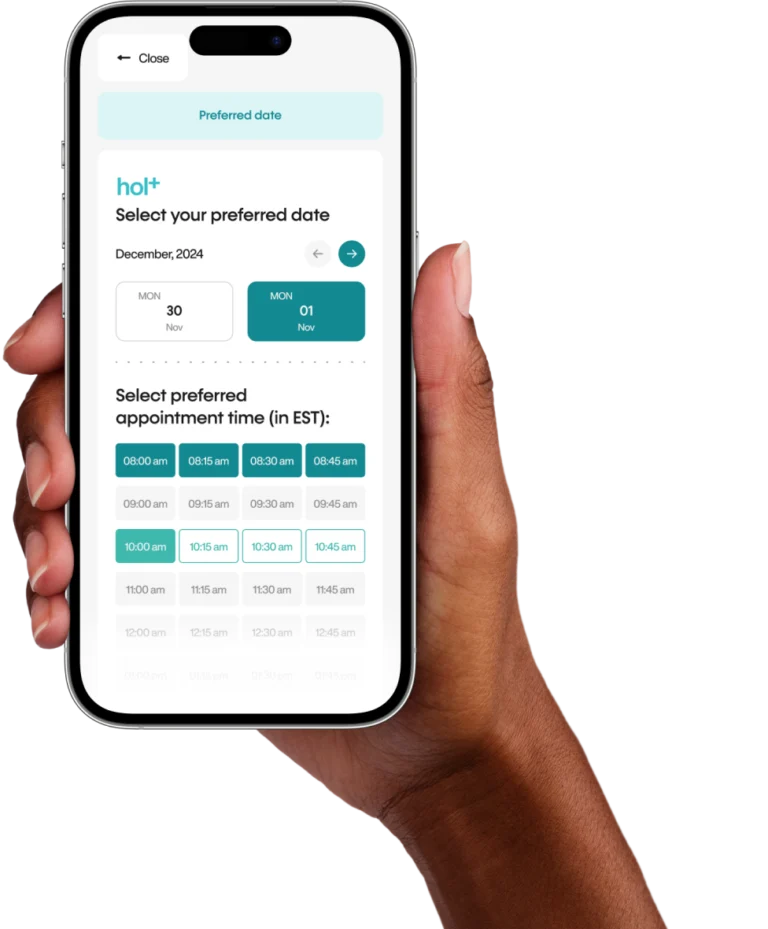
FAQs
What are some weird symptoms of low estrogen I might not expect?
Low estrogen can show up in surprising ways: itchy skin or ears, joint stiffness, palpitations, dry eyes or mouth, and random mood swings. Some people notice changes in memory or sleep quality, while others experience new skin sensitivities or recurring headaches. If you’re noticing strange or subtle changes, your hormones could be part of the reason.
Can low estrogen make my skin or ears itch without a visible rash?
Yes, it can. Estrogen supports skin hydration and barrier function. When it drops, the skin—including inside your ears—can become dry and more prone to irritation. This can cause itching even when there’s no visible rash or allergy, and is a commonly overlooked sign of hormone changes.
Why do low estrogen symptoms seem to affect my mood and memory?
Estrogen helps your brain produce neurotransmitters like serotonin and acetylcholine, which support mood, focus, and memory. When estrogen is low, you may notice irritability, anxiety, or “brain fog” that wasn’t there before.
How does hol+ help figure out if my symptoms are from low estrogen or something else?
We start with a detailed assessment, looking at your health story, symptom timeline, and advanced hormone panels. Our approach includes investigating thyroid, adrenal function, gut health, and nutrient status. We help you see the bigger picture, so your care is matched to the root of what’s going on, not just the surface symptoms.
Can I work with hol+ if I live outside your main clinic location?
Yes! hol+ offers virtual consultations. You’ll get access to advanced testing, personalized plans, and ongoing support from our team – all from the comfort of your own home. We make functional hormone care accessible, no matter where you’re located.
How soon can I expect relief after starting a hol+ plan for low estrogen symptoms?
Everybody is different, but many clients notice some improvement within a few weeks, especially with the right nutrition, supplements, and stress support. Full hormone balance may take a few months, depending on your unique situation. We check in regularly and adjust your plan to help you feel your best as quickly and sustainably as possible.