
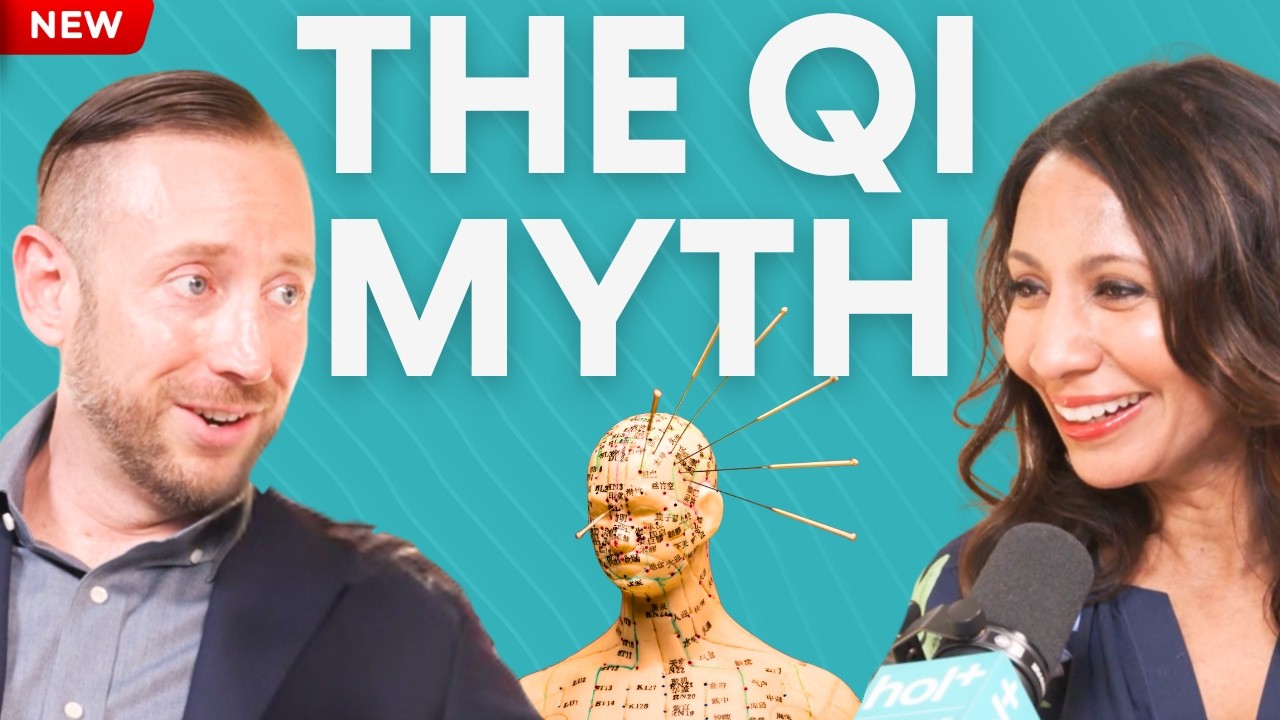
Acupuncture and Traditional Chinese Medicine offer a different way to understand the body, especially when it comes to chronic pain, pelvic floor dysfunction, stress, digestion, anxiety, inflammation, nervous system dysregulation, and unexplained symptoms.
In this episode of the hol+ podcast, Dr. Taz sits down with Dr. Jordan Barber, clinician, educator, published researcher, licensed acupuncturist, and author of Thinking in Chinese Medicine: A Patient’s Guide to Acupuncture, Herbs, and Healing, for a grounded conversation about what Chinese medicine actually is, why it has been misunderstood in the West, and how it can help us see chronic pain, pelvic floor dysfunction, stress, symptoms, and whole-body health through a more connected lens.
Together, they explore why Chinese medicine is not just acupuncture, herbs, or “energy work,” but a way of thinking. Dr. Barber explains how Traditional Chinese Medicine looks at the whole person, including sleep, digestion, emotions, stress, relationships, movement, pain patterns, and the way someone experiences life. He also breaks down how the word qi became simplified into “energy,” why that translation can be misleading, and why Chinese medicine is often more practical, physiological, and science-informed than many people realize.
Dr. Barber shares his own path into Chinese medicine after working in IT, living through 9/11 in New York City, and experiencing chronic health issues that conventional care did not resolve. After trying acupuncture, Chinese herbs, and dietary changes, he saw a major improvement in his recurring sinus issues and began to understand health through a completely different framework.
If you’re listening to this and thinking, “My symptoms feel connected, but no one is helping me connect the dots,” join the Circle here: 👉 https://holplus.co/circle
Chinese medicine is not just about needles. It is about patterns, relationships, the nervous system, circulation, metabolism, pain signals, emotional stress, and the body’s ability to return to balance. In this conversation, Dr. Taz and Dr. Barber discuss why chronic disease is often connected to the mind, why stress can reshape the body, and why patient agency is such a central part of healing.
They also explore how Chinese medicine approaches chronic pain, including biomechanics, inflammation, central sensitization, scar tissue, nerve entrapment, neuromodulation, dry needling, electroacupuncture, and vagus nerve stimulation. Dr. Barber explains how acupuncture may help regulate pain signals and support the body’s ability to shift out of a chronic stress state.
Dr. Taz and Dr. Barber also take a deeper look at pelvic floor dysfunction, a condition that can affect both women and men in ways many people do not recognize. They discuss hidden signs such as urinary leaking, pelvic pain, pain after bowel movements, tailbone pain, hip pain, back pain, erectile dysfunction, painful sex, and symptoms that may be dismissed or misunderstood for years.
This episode also explores why TikTok herbal advice can be risky, why Chinese herbs should be personalized, and why the question “What are the best Chinese herbs?” is often the wrong place to start. Dr. Barber explains why ginger may help one person and aggravate another, why formulas are traditionally customized, and why Chinese medicine has always been rooted in matching the treatment to the person.
If you are navigating chronic pain, pelvic floor symptoms, stress, nervous system dysregulation, digestive issues, unexplained symptoms, or curiosity about acupuncture and Traditional Chinese Medicine, this episode offers a grounded, science-informed, and deeply practical way to understand what your body may be trying to communicate.
Learn more about support related to this conversation:
Chinese Medicine: https://holplus.co/services/chinese-medicine/
Acupuncture: https://holplus.co/services/acupuncture/
Integrative Mental Health: https://holplus.co/services/integrative-mental-health-services-for-emotional-wellbeing/
Arthritis / Chronic Joint Pain: https://holplus.co/conditions/arthritis-chronic-joint-pain/
About The Guest
Dr. Jordan Barber is a clinician, educator, author, published researcher, and licensed acupuncturist known for explaining Chinese medicine without mysticism or oversimplification. His published work includes research on acupuncture and dry needling in the Journal of Medical Acupuncture. He is a former faculty member in bioscience and acupuncture, serves on the NCCAAOM AI Task Force, and is the author of Thinking in Chinese Medicine: A Patient’s Guide to Acupuncture, Herbs, and Healing. His work focuses on pain, pelvic floor dysfunction, psychosocial medicine, and helping bridge Chinese medicine with modern clinical understanding.
Stay Connected with Dr. Jordan Barber:
- Instagram: https://www.instagram.com/jbarberlac/
About Dr. Taz
Dr. Tasneem Bhatia (Dr. Taz) is a triple board-certified integrative medicine physician,
bestselling author, and founder of hol+ a multi-location integrative medicine practice.
Learn more: https://doctortaz.com/
Stay Connected with Dr. Taz
- Subscribe to the audio podcast: https://holplus.transistor.fm/subscribe
- Subscribe to the video podcast: https://www.youtube.com/@DrTazMD/podcasts
Follow Dr. Taz
- Dr. Taz Instagram: https://www.instagram.com/drtazmd
- hol+ Instagram: https://www.instagram.com/liveholplus
- Join the conversation on X: https://x.com/@drtazmd
- TikTok: https://www.tiktok.com/@drtazmd
- Facebook: https://www.facebook.com/drtazmd/
Get your copy of The Hormone Shift: Balance Your Body and Thrive Through Midlife and Menopause
Host: Dr. Taz; Edited and Produced by Clip Growth (Producer: Pat Gostek)
Chapters
00:00 Pain, Suffering, and Changing Perception
00:19 Meet Dr. Jordan Barber
00:39 Chinese Medicine and the Mind Body Connection
01:21 Dr. Barber’s Research and Background
01:46 Dr. Taz Introduces the Episode
02:07 Dr. Taz’s Personal Connection to Chinese Medicine
02:53 From IT to Acupuncture After 9/11
04:09 How Acupuncture Changed Dr. Barber’s Health
05:28 Dr. Taz’s Healing Journey with Chinese Medicine
06:59 Acupuncturists, Herbalists, and Chinese Medicine Credentials
10:18 How to Choose a Chinese Medicine Practitioner
11:31 What Chinese Medicine Really Is
12:36 Health, Disease, and the Chinese Medicine Model
13:29 Dr. Taz Introduces The Circle
14:14 Is Chinese Medicine an Energetic System?
15:06 Why Chinese Medicine Is Not Just Energy Work
16:31 Acupuncture, fMRI, and Real Physiological Effects
17:36 Why Chinese Medicine Should Not Be Called Alternative
19:07 A Brief History of Chinese Medicine
21:51 How Chinese Medicine Came to the West
23:01 Lineages, Formulas, and Regional Herbal Traditions
24:12 Why Custom Herbal Formulas Matter
25:05 Bitter Herbs, Capsules, and the Role of Taste
26:11 Qi, Shen, Symptoms, and Diagnosis Explained
27:19 Why Chinese Medicine Connects Chronic Disease to the Mind
28:37 The Eco-Psycho-Social Model of Disease
29:10 Patient Agency and the Role of the Doctor
30:21 Choosing Joy While Suffering
30:57 Neuroplasticity and Changing Pain Perception
32:07 Simple Levers for Changing Health and Suffering
34:44 How Chinese Medicine Approaches Chronic Pain
35:30 Biomechanics, Inflammation, and Central Sensitization
37:12 Vagus Nerve Stimulation Through the Ear
38:22 Electroacupuncture and Neuromodulation
39:38 How Many Treatments Does It Take?
40:18 Pelvic Floor Dysfunction Explained
41:09 How Common Pelvic Floor Dysfunction Is
43:28 Hidden Signs of Pelvic Floor Dysfunction
44:24 How the Pelvic Floor Connects to the Whole Body
45:16 Dry Needling and Pelvic Floor Treatment
46:00 Dr. Taz’s Achilles Injury, Gait, and Pelvic Compensation
47:17 Why There Are No Universal Top Chinese Herbs
48:18 Why Gen Z Is Turning to Chinese Medicine
49:43 The Risks of TikTok Wellness Advice
50:31 Dr. Barber’s Hope for Chinese Medicine
51:16 Integrating Chinese Medicine Into Healthcare
52:06 Dr. Barber’s Book and How Clinicians Think
54:14 The State of Chinese Medicine Research
55:59 Advice for People Curious About Chinese Medicine
57:06 Where to Find Dr. Jordan Barber
57:30 Keeping a Calm Mind and Joyous Heart
58:36 Stillness, Qigong, Tai Chi, and Seasonal Practices
59:17 Dr. Taz’s Closing Thoughts on Chinese Medicine