


Ojas is a central concept in Ayurveda, the ancient Indian medical system. It is traditionally described as the body’s inner essence of strength, shaped through the way nourishment is digested and assimilated. As Dr. Taz Bhatia says, “Ojas is your body’s reserve tank of vitality, the essence that keeps you resilient.”
In Ayurvedic medicine, ojas is associated with a person’s ability to meet daily demands with steadiness. It offers a traditional framework for considering how daily life may support long-term well-being.
Ojas at a Glance
- Ojas is a traditional Ayurvedic concept associated with resilience and steady nourishment.
- Ayurveda describes ojas as the refined essence of the dhatus, or tissue systems.
- Ojas is not a conventional medical diagnosis or a laboratory value.
- It is associated with the body’s natural capacity to withstand illness in Ayurveda, but it is not an exact equivalent of modern immune function.
Understanding Ojas
In Ayurveda, the body comprises seven dhatus, often translated as “tissue systems”: plasma, blood, muscle, fat, bone, marrow, and reproductive tissue. Ojas has a special relationship with these dhatus. Ayurvedic texts describe it as their finest essence, formed as nourishment is transformed and assimilated (¹).
As each dhatu is processed and refined through the Ayurvedic understanding of digestion and metabolism, it contributes to the formation of ojas. This perspective underscores the importance Ayurveda places on balanced nourishment and digestive comfort.
Ojas, meaning vitality, vigor, or strength in Sanskrit, is presented in Ayurveda as a deep reserve rather than a passing feeling of stimulation. When ojas is well supported, the tradition associates it with steadier energy, clear thinking, and a greater sense of groundedness.
The Two Traditional Forms of Ojas
Classical Ayurvedic texts distinguish between para ojas and apara ojas. Para ojas is described as the most essential form of ojas and is traditionally located in the heart. Apara ojas is described as a form present throughout the body, associated with strength and resilience. These ideas are part of the Ayurvedic framework, not modern anatomical or laboratory categories.
How Ojas Relates to Agni, the Dhatus, Prana, and Tejas
These concepts are distinct, but together they help show the Ayurvedic view of whole-person health:
- Agni: The Ayurvedic principle of digestion and transformation.
- Dhatus: The tissue systems Ayurveda describes as being nourished in sequence.
- Ojas: The refined essence of the dhatus, associated with stability and resilience.
- Prana: Associated with life energy and movement.
- Tejas: Associated with transformation and inner clarity.
Ojas is also often discussed alongside ama, another Ayurvedic concept related to digestion and balance.
The Significance of Ojas in Health and Well-being
Ayurveda connects ojas with mental and emotional well-being. A person with well-nourished ojas may be described as calm, focused, and emotionally grounded. Dr. Taz Bhatia notes that ojas “sits at the crossroads of digestion, immunity, energy, and emotional resilience,” which is why Ayurveda treats it as a marker of whole-person health rather than any single system.
Ojas and Immunity: An Ayurvedic and Modern Medical Perspective
Ayurveda associates ojas with the body’s ability to withstand illness, but ojas and immune function are not interchangeable. Modern medicine examines the measurable biology of immune responses. Sleep, nutrition, stress physiology, and the microbiome can also influence how the immune system functions.
Both perspectives recognize that health does not operate in isolation. A whole-person approach can consider the interactions among digestion, sleep, stress, metabolic health, and the concerns a patient is experiencing.
“When your ojas is strong, you don’t just avoid illness. You feel clear, steady, and alive.”
Factors Affecting Ojas
According to Ayurveda, ojas is shaped by the cumulative effect of daily habits and life circumstances. Rest, nourishment, and a balanced routine can help support this reserve of vitality, while ongoing strain may contribute to depletion.
Positive Influences on Ojas Production
- Regular meditation and yoga are traditionally viewed as supportive practices because they encourage physical and mental balance.
- A balanced diet that includes fresh fruits, vegetables, nuts, seeds, and other nourishing foods can support the Ayurvedic goal of steady nourishment.
- A consistent sleep schedule gives the body time for rest and recovery.
Negative Influences on Ojas Depletion
- Chronic stress and overexertion may leave a person feeling tired, depleted, or less able to recover.
- Ayurveda often views rushed meals, highly processed foods, and irregular eating patterns as less supportive of digestive balance.
- Insufficient or irregular sleep can make it harder to maintain steady energy and well-being.
For more guidance on everyday food choices, explore Ayurvedic nutrition and individualized nutrition counseling.
Symptoms of Low Ojas
Ayurveda considers low ojas as a pattern of reduced vitality that can affect physical and emotional well-being. Traditional signs of low ojas include:
- Fatigue, weakness, or a sense of depletion
- Dry or rough skin
- Fear, persistent worry, or reduced mental steadiness
Digestive concerns can accompany broader imbalances involving agni, but they should not be treated as a stand-alone sign of low ojas.
Could These Symptoms Have Another Cause?
Yes. These symptoms are nonspecific and can occur with many recognized health concerns. Persistent fatigue or other ongoing symptoms deserve professional assessment, especially when they interfere with daily life or worsen over time. A clinician can help determine if further evaluation is appropriate.

What Depletes Ojas According to Ayurveda?
Ayurveda commonly associates ojas depletion with sustained strain and inadequate nourishment. Contemporary Ayurvedic practitioners may also view disrupted sleep and irregular routines as less supportive of ojas. This language reflects the Ayurvedic view that resilience is shaped by the cumulative effect of daily life.
These patterns can be useful prompts for reflection, especially when someone has been living at a pace that leaves little space for restoration.
Can Ojas Be Measured?
Ojas cannot be measured through a single laboratory test. Ayurveda uses it as a framework for understanding a person’s underlying reserves and overall steadiness. Modern clinicians can investigate particular concerns through appropriate assessment and testing, but neither measures ojas itself.
Practical Ways to Build and Maintain Ojas
If you want to learn how to build ojas, it’s less about a quick intervention and more about creating conditions for steady nourishment and recovery.
Prioritize Consistent, Restorative Sleep
Regular sleep timing and adequate rest can support recovery, stress regulation, and steady energy. For someone feeling depleted, a calmer evening routine may be a meaningful place to begin.
Choose Nourishing Foods That Support the Individual
Ayurveda often recommends fresh, nourishing foods and meal patterns that fit the individual. Foods traditionally associated with ojas, including ghee, milk, honey, dates, almonds, and whole grains, may not suit everyone. Allergies, intolerances, dietary needs, blood sugar concerns, and other health factors need to be considered.
Support Digestion and Agni
Ayurveda views agni as central to how nourishment is transformed. Eating at a regular pace, noticing digestive comfort, and choosing meals that fit a person’s needs can support a more attentive relationship with food. Ongoing digestive symptoms should be discussed as part of a broader health evaluation.
Balance Movement With Recovery
Movement can support mood, circulation, and sleep, but Ayurveda also recognizes that more activity is not always better. Walking, yoga, strength training, or other forms of movement can be adjusted to current energy levels and paired with adequate recovery.
Practice Nervous System Regulation
Meditation, gentle breathing, time outdoors, restorative routines, and boundaries around work can help create more space for regulation. An Ayurvedic daily routine can turn these broad ideas into practical habits.
Build Supportive Relationships and Emotional Stability
Ayurveda views emotional nourishment as part of health. Supportive relationships, meaningful activity, creativity, and appropriate mental health care can all be part of a fuller approach to resilience.
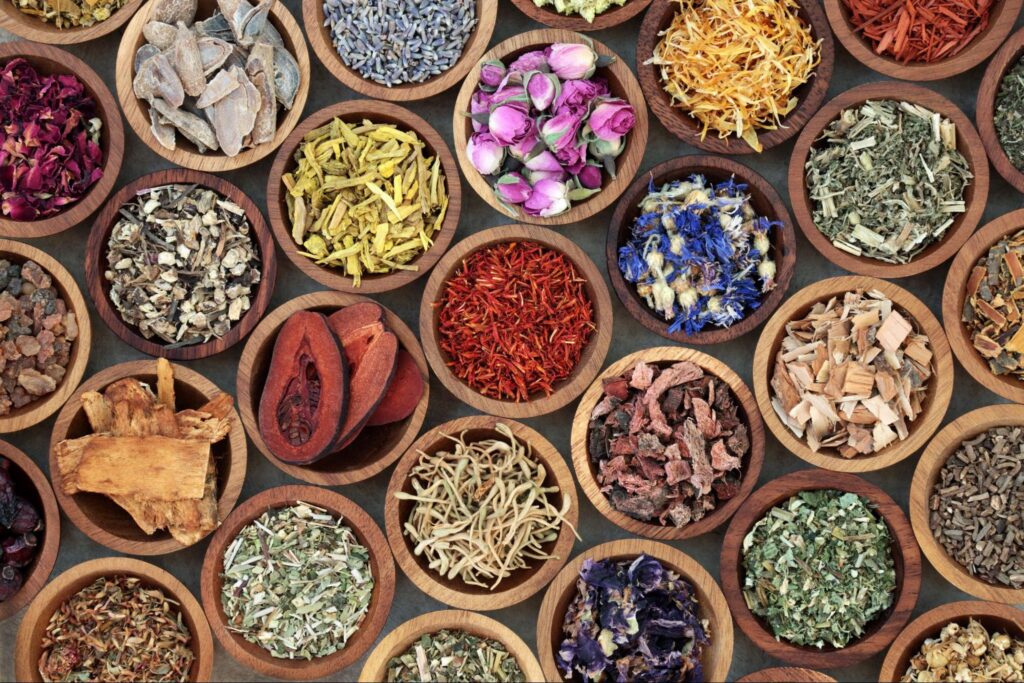
Ayurvedic Herbs Traditionally Used to Support Ojas
Ashwagandha, shatavari, amalaki, and guduchi are among the Ayurvedic herbs practitioners may consider when discussing vitality and nourishment. These herbs are not universal remedies, and they should not be used as a substitute for assessment when symptoms are persistent.
Be aware that herbs can interact with medications, and people who are pregnant or breastfeeding should speak with a qualified clinician before using them (²).
Individualized guidance and attention to product quality are important. For related reading, see our articles on Ayurvedic herbs and Tulsi and Ashwagandha tea.
Ojas and Modern Life
Modern life can make the Ayurvedic goal of steady nourishment feel challenging. Work stress, irregular eating, inconsistent sleep, and constant stimulation can make it harder to maintain a restorative routine.
Learning how to increase ojas does not require a perfect routine. Ayurveda emphasizes small, consistent practices that make daily life feel more nourishing and restorative over time. Even small choices, such as a balanced meal or a calmer evening routine, may help a person reconnect with a more supportive rhythm.
Empowering Your Journey to Wellness With Ojas
Ojas offers a traditional Ayurvedic way to think about balanced living. At hol+, we help patients explore the connections among digestion, stress, sleep, hormones, metabolic health, and personal health goals.
As Dr. Taz Bhatia says, Ayurvedic principles such as nourishing ojas can sit alongside modern diagnostics and functional medicine, with each perspective helping illuminate a fuller picture of health.
To learn more, explore Ayurveda at hol+ and our physician-led approach to whole-person care.
“At hol+, ancient wisdom like ojas and modern medicine aren’t rivals—they work better together.”
FAQs
What are the best foods to increase ojas?
Traditional Ayurvedic food lists often include ghee, almonds, dates, saffron, honey, milk, and whole grains. These foods may not fit every person’s needs, so an individualized approach is best.
Can lifestyle choices affect ojas?
Yes. Ayurveda connects ojas with sleep, balanced nourishment, stress care, movement, and a steady daily rhythm. The tradition places more value on consistency than extremes.
How does ojas differ from prana and tejas in Ayurveda?
Ojas is associated with nourishment, stability, and resilience. Prana is associated with breath, movement, and life energy. Tejas is associated with transformation, clarity, and inner radiance.
What are the signs of strong ojas?
Ayurveda traditionally associates well-supported ojas with a steady sense of vitality and balance. Clearer thinking or comfortable digestion may be part of that picture. These are Ayurvedic descriptions, not medical markers.
How can I increase ojas?
Ayurveda approaches ojas through consistent nourishment and restorative habits. Regular sleep, balanced meals, appropriate movement, stress care, and a sustainable daily routine can all be part of that approach.
Is there a quick way to boost ojas for immediate health benefits?
Ayurveda views ojas as a deeper reserve built over time. A calming practice or nourishing meal may help someone feel supported in the moment, while steady care offers a more meaningful path toward lasting vitality.