

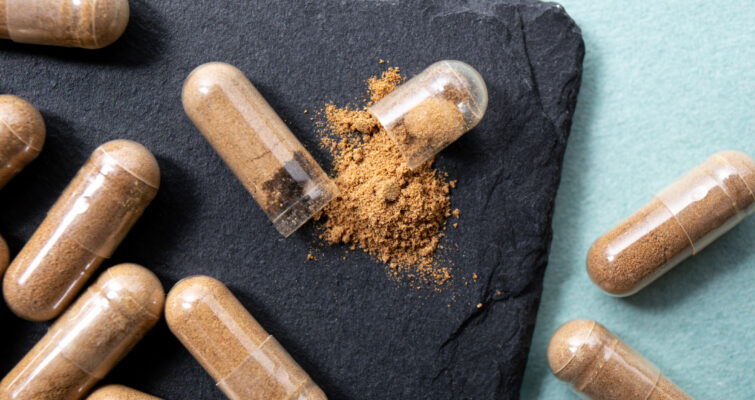
When it comes to managing stress and restoring energy, many people find themselves choosing between ashwagandha vs rhodiola – two of the most well-known adaptogens in the wellness world. Both herbs offer powerful support, but they work in very different ways, and understanding those differences can help you feel more in sync with what your body actually needs.
Whether your energy feels flat, your brain foggy, or your stress always simmering just beneath the surface, finding the right adaptogen can create a real shift. Let’s look at what makes each of them uniquely supportive for stress and energy recovery.
Ashwagandha: Your Nervous System’s Favorite Adaptogen
Ashwagandha is one of Ayurveda’s most treasured herbs, often referred to as a rasayana, which means a rejuvenative tonic. It was traditionally used for people moving through exhaustion, emotional strain, or phases of life when the body needed deep rebuilding. Today, it continues to shine as an adaptogen that supports steady energy, calmer mood, and healthier stress recovery.
What Ashwagandha Supports Most
Ashwagandha reaches into multiple systems in the body, which is why so many people feel its benefits in daily life. It regulates cortisol, lifts low mood, supports thyroid health, and helps ease tension in both mind and body. Over time, many people experience more restful sleep and steadier emotional rhythms.
A few of its key benefits include:
- Cortisol reduction and stress relief
- Thyroid support and metabolic balance
- Deeper, more restorative sleep
- Emotional steadiness and anxiety relief
- Support for hormone regulation and libido
A Safety Note
Ashwagandha may support low thyroid function, but it can also increase thyroid hormone activity. If you have hyperthyroidism or are taking thyroid medication, always check with your provider before using it. In rare cases, it has been associated with thyrotoxicosis, a state of elevated thyroid hormones.
Rhodiola Rosea: Clearer Energy and Brighter Focus
Traditionally used in Russia and Scandinavia, rhodiola was valued for physical endurance and mental stamina in harsh climates. It’s loved today for helping with brain fog, motivation dips, and that drained feeling that lingers after long stretches of stress.
Rhodiola is naturally uplifting and tends to work quickly. This makes it especially helpful for those moments when your brain needs a lift, your focus feels scattered, or your energy has been uneven.
When Rhodiola Makes the Most Sense
Rhodiola fits especially well for daytime support. It helps you stay steady through busy mornings or demanding schedules, and it’s often helpful for people who feel emotionally flat or easily overwhelmed. Many people enjoy pairing rhodiola with a solid breakfast or mid-morning routine to keep energy stable through the afternoon.
HPA Adapt: Our Favorite Blend for Stress and Energy Balance
At hol+ we love HPA Adapt, a physician-formulated blend featuring Rhodiola, Sensoril® Ashwagandha, Holy Basil, Eleuthero, and Maca. It’s designed to support the HPA axis (the body’s central stress regulation system) and gently strengthen your resilience to physical and emotional stress.
This blend helps balance cortisol, supports mental clarity, and offers steady energy without the crash. It’s an ideal daily companion for anyone navigating burnout, overwhelm, or ongoing stress-related fatigue.
Shop HPA Adapt here when you’re ready to support your stress response with a thoughtful, well-rounded formula.
Why Nutrients Matter for Adaptogen Effectiveness
Adaptogens have gained recognition for their ability to help the body navigate stress, restore energy, and support hormone balance. But their effectiveness often depends on the nutrient foundation they’re built on. Just like a plant needs sunlight and water to grow, adaptogens rely on certain vitamins, minerals, and systems in your body to do their job well.
If your system is undernourished or depleted (which happens often in chronic stress) adaptogens may feel muted or inconsistent. Magnesium, B vitamins, vitamin C, and zinc are especially important here. They support adrenal function, neurotransmitter production, and energy metabolism – all critical to the stress response.
Nutrients That Strengthen Adaptogen Function
When foundational nutrients are in place, adaptogens are better able to support the nervous system, endocrine system, and cellular recovery processes.
- Magnesium: Calms the nervous system, supports muscle relaxation, and plays a key role in converting food to energy. It also helps regulate the HPA axis, the central stress response system.
- B Vitamins (especially B5, B6, B12): Essential for adrenal health, neurotransmitter synthesis, and energy production. They become rapidly depleted in times of stress.
- Vitamin C: Needed in high amounts by the adrenal glands. Supports immune health, tissue repair, and antioxidant defense.
- Zinc: Supports hormone balance, neurotransmitter activity, and immune response. Low zinc can impair your stress resilience.
Methylation and Neurotransmitter Health
One of the less visible but essential processes impacted by stress is methylation. Methylation is involved in detoxification, hormone metabolism, and the production of neurotransmitters like serotonin, dopamine, and norepinephrine. Without the right nutrients, including B12, folate, and choline, these processes slow down, which can lead to mood swings, fatigue, and poor stress tolerance.
Supporting methylation ensures that adaptogens can better modulate mood, focus, and overall mental clarity. If you feel emotionally reactive or constantly wired, addressing methylation can create more noticeable calm and balance when using adaptogens.
Gut and Liver: The Processing Centers
Gut health and liver detox pathways play a direct role in how your body responds to both nutrients and adaptogens. The gut is where many vitamins and minerals are absorbed, while the liver helps metabolize hormones, toxins, and herbal compounds.
If these systems are sluggish or inflamed, it can dull the effects of even the best adaptogenic formulas. Supporting digestion with probiotics or digestive enzymes, and gently supporting liver function with nutrients like milk thistle, NAC, or B-complex vitamins, can make your adaptogen routine more effective and sustainable.
Why Pairing Nutrients and Botanicals Makes Sense
Adaptogens are powerful, but they don’t work in isolation. To fully support your body during stress, they rely on a well-nourished system, one where key vitamins and minerals are available to do the behind-the-scenes work. You can think of adaptogens like skilled builders, but without raw materials like magnesium, B vitamins, and zinc, there’s only so much they can rebuild.
Personalized care often means layering adaptogens with foundational nutrients. This combined approach tends to create deeper, more stable changes than herbs alone. If you’re working through burnout, hormone shifts, or chronic fatigue, it’s worth considering this duo as the core of your stress recovery plan.
Want to learn more? Schedule a FREE 15 minute consultation
Schedule Your Consultation
Rooted in Science, Centered on You: The hol+ Approach to Recovery
Stress isn’t always obvious. Sometimes it shows up as low energy, restless sleep, poor focus, or even unexplained weight gain. At hol+, we take a data-driven, whole-body approach to help you understand what’s happening beneath the surface. Through in-depth testing and supportive therapies, we focus on helping you reset fully.
Our care model is for people who want to feel like themselves again – clear-headed, energized, and calm. Whether you’re navigating perimenopause, post-birth burnout, adrenal fatigue, or long-standing stress patterns, our team walks with you step by step through recovery. The support we provide is highly personalized and grounded in your lab data, symptoms, and lifestyle.
Functional Lab Testing: Getting the Full Picture
To treat the root of hormonal and stress-related imbalances, we begin with precision testing. This allows us to clearly see what’s affecting your energy, focus, mood, and metabolism.
Some of the tests we may run include:
- Comprehensive cortisol curve and adrenal rhythm mapping
- Thyroid panels, including free T3, T4, reverse T3, and antibodies
- Sex hormone panels (estrogen, progesterone, testosterone, DHEA)
- Micronutrient and omega fatty acid profiles
- Gut health and inflammatory markers
- Blood sugar and insulin testing
This gives us a foundation to create a plan that’s responsive to how your body is actually functioning.
Personalized Supplement Protocols
Using your lab results and symptom profile, we create a supplement plan that addresses both symptoms and underlying causes. These plans are typically targeted and reviewed regularly so your protocol evolves with your healing.
Your plan may include:
- Adaptogens (like Ashwagandha, Holy Basil, Rhodiola)
- Foundational nutrients (magnesium, B-complex, vitamin D, omega-3s)
- Methylation and detox support
- Amino acids and neurotransmitter precursors
- Peptides for adrenal, mitochondrial, or hormonal support
- Prescription-grade nutraceuticals for deeper rebalancing
We also guide you on timing, synergy between nutrients, and how to cycle supplements to support long-term resilience.
Stress Reset Protocols
When the nervous system is overstimulated for long periods, stress recovery goes beyond just adding supplements. Our methods are tailored to your individual stress type – wired and anxious, depleted and foggy, or riding a cortisol rollercoaster.
This support often includes a combination of:
- Nutrition guidance: blood sugar regulation, anti-inflammatory meals, adrenal-supportive foods
- Sleep hygiene and circadian rhythm optimization
- Adaptogen rotation for nervous system modulation
- IV nutrient therapy to quickly replenish key vitamins and minerals
- Peptides to rebuild cortisol rhythms or hormone output when appropriate
These protocols are designed to rebuild baseline energy, mood stability, and capacity for recovery.
Holistic Therapies to Restore Resilience
Chronic stress shows up physically, often in ways you may not even realize. Nervous system dysregulation, muscle tension, disrupted digestion, and fatigue are all common signs that your body has been under strain for too long. At hol+, we address these deeper layers of stress with targeted, evidence-based therapies designed to restore function and support long-term recovery.
Our approach includes acupuncture to regulate the HPA axis and support hormone signaling, functional health coaching to guide realistic behavior change, and somatic tools like breathwork that help recalibrate your stress response. We also provide structured lifestyle planning and practical rituals to reinforce progress between sessions.
If you’ve been trying to “push through,” feel stuck in cycles of fatigue or overwhelm, or are ready for care that looks at the full picture – you’re in the right place. Our goal is to help you reconnect with your body’s ability to heal, stabilize, and thrive.
It’s Time to Prioritize Your Health
Ashwagandha and rhodiola are two of the most effective tools we have for supporting stress recovery, mood, and energy, but they work best when matched to the person. Your symptoms, your patterns, your test results, they all matter in creating the right support plan. At hol+, we use lab testing, personalized supplements, and targeted protocols to help you feel steady, rested, and clear again.
You don’t have to navigate this alone. Whether you’re managing burnout, hormone shifts, or daily overwhelm, we’re here to help you with real tools and expert care. Book your consultation today and take the first step toward feeling better.
FAQs
Which adaptogen works faster – ashwagandha or rhodiola?
Rhodiola tends to have a quicker onset, especially when it comes to boosting mental clarity and physical energy. Many people feel its effects within a few days. Ashwagandha works more gradually, supporting deeper stress recovery, sleep, and hormone balance over time.
Can I take both ashwagandha and rhodiola together?
Yes, combining them can offer a balanced approach – rhodiola for energy and focus, ashwagandha for calm and recovery. It’s best to personalize the dosage and timing, since your stress response, sleep patterns, and energy needs are unique. A practitioner can help tailor the combo to your body.
What’s the best time of day to take ashwagandha vs rhodiola?
Ashwagandha is often taken in the evening to support relaxation and sleep, but some prefer it in the morning for all-day calm. Rhodiola is more energizing, so it’s best taken in the morning or early afternoon. Start low, go slow, and notice how your body responds.
Can I work with hol+ virtually?
Yes! We work with clients both in person and virtually. Even if you’re outside our local area, we can still guide you with testing, supplement planning, nutrition protocols, and ongoing support, all from the comfort of your home. Schedule your virtual consultation today.
Do I need to get lab tests before starting a protocol?
Not always, but it helps. Testing gives us real data to guide your plan, especially when it comes to cortisol, thyroid function, or nutrient deficiencies. If you’re feeling stuck or symptoms keep cycling back, labs can give clarity and direction.