

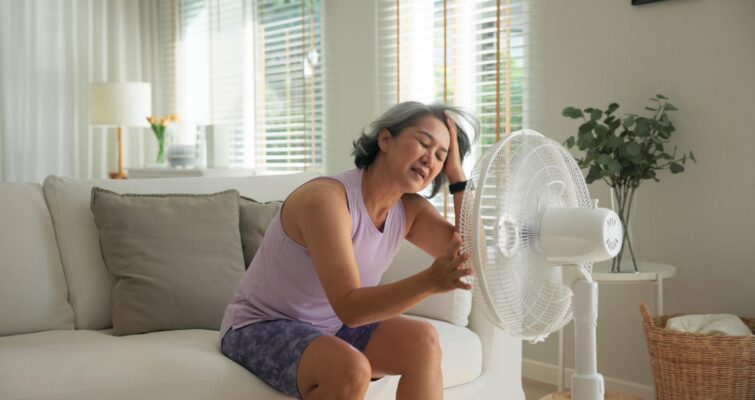
Hot flashes can feel disruptive in a way that is difficult to explain to someone who has not experienced one. A sudden rush of heat, facial flushing, sweating, chills, or a racing heartbeat can leave women feeling caught off guard by a symptom that is difficult to predict or control.
Natural remedies for hot flashes can help make menopausal symptoms more manageable, but they do not all work in the same way. Some offer comfort during an episode. Others may improve sleep or reduce the distress that can build around hot flashes. A smaller group of non-drug approaches has stronger research support (¹).
When it comes to menopause hot flash relief, the goal is not to find one universal cure. It is to build a plan that fits the symptoms, health history, and daily life of the individual.
Hormone therapy remains the most effective treatment for hot flashes for appropriate patients, and nonhormonal prescription options are also available. Natural remedies for menopause can be a valuable part of care, especially for women who prefer a non-drug approach or need other options (²).
“You don’t have to white-knuckle your way through menopause. There are options for relief.”
— Dr. Taz Bhatia
What Causes Hot Flashes?
A hot flash is a sudden feeling of warmth that often rises through the upper body. When it happens during sleep, it is called a night sweat. During perimenopause and menopause, changing estrogen levels can make the hypothalamus (the brain region involved in temperature regulation) more sensitive to small changes in body temperature.
When that internal comfort zone narrows, even a small rise in temperature can prompt the body to cool itself. Blood vessels near the skin widen, the heart rate may increase, and sweat glands activate. This can create the sudden heat and sweating associated with menopausal hot flashes, often followed by chills (²,³).
“A hot flash is really your brain’s thermostat reacting to shifting estrogen.”
— Dr. Taz Bhatia
Researchers are still studying every pathway involved. Stress, sleep disruption, smoking, medications, body composition, and a warm environment may influence how frequent or disruptive symptoms feel. This is one reason a more individualized approach can be more useful than a long list of universal rules.
How Long Do Hot Flashes Last?
The duration varies widely. In a large study of women across the menopause transition, vasomotor symptoms lasted a median of 7.4 years in total and 4.5 years after the final menstrual period. Some women experience them for a shorter time, while others continue to have hot flashes for a decade or longer (⁴).
Hot flashes often become less intense over time, but there is no need to simply wait for them to pass. The following approaches can help women find more comfort during menopause and perimenopause.
Natural Approaches for Managing Hot Flashes
Natural remedies for menopause hot flashes are not one-size-fits-all. Some strategies can make an episode more comfortable, while others may improve sleep, reduce symptom-related distress, or offer a non-drug treatment option.
The ten approaches below provide a place to start. Persistent or severe symptoms still deserve a clinical conversation, particularly when they interfere with overall quality of life.
1. Identify and Track Hot Flash Triggers
Hot flash triggers are personal. Commonly reported triggers include caffeine, alcohol, hot beverages, spicy foods, stress, warm rooms, and restrictive clothing. Smoking is linked with a higher likelihood of hot flashes, but it is not necessarily an immediate trigger.
A short symptom record can help reveal patterns. After a hot flash, jot down:
- When it began and how intense it felt
- What you were doing shortly beforehand
- Its effect on sleep or daily activity
- Any change that seems relevant, such as a warm room or a new medication
You do not need to capture every detail each time. Over a week or two, recurring influences may become easier to spot.
Then try changing one factor at a time. That approach is more useful than eliminating every food or activity that appears on a generic trigger list. It can also help a clinician understand what may be contributing to a woman’s symptoms.
2. Use Cooling Strategies and Breathable Layers
Natural relief for hot flashes begins with preparation. Breathable, removable clothing makes it easier to adjust as the heat arrives. Position a fan where it will be most useful, such as beside the bed or at a desk. Cool water or a chilled washcloth may take the edge off.
These measures do not change the hormonal shifts behind a hot flash. Instead, they can ease the heat and sweating while an episode passes. After a night sweat, a fresh top by the bed can make returning to sleep less disruptive.
3. Support Sleep and the Bedroom Environment
Menopause night sweats can create a cycle of disrupted sleep and daytime exhaustion. A cool, dark bedroom may make it easier to fall back asleep after waking. Breathable sheets and sleepwear can also help, along with a spare top or towel within reach.
Natural remedies for night sweats should focus on making nighttime episodes less disruptive. A consistent wind-down routine may support sleep quality, even if it does not prevent every hot flash. Some women also find it helpful to note whether alcohol or late meals seem to affect their sleep.
When insomnia, fatigue, or night sweats continue to interfere with daily life, it is worth discussing the full pattern with a clinician.
4. Use Mind-Body Practices to Reduce Symptom Bother
Mind-body practices can create a calmer response when a hot flash begins. Mindfulness and guided imagery are two options, while gentle yoga may offer another way to make space for relaxation. These techniques are not reliable ways to stop episodes, but they can make symptoms feel less disruptive.
In a randomized trial, mindfulness-based stress reduction lowered how bothersome women found their hot flashes. It also improved perceived stress and self-reported sleep quality. Hot-flash intensity itself did not change significantly, an important distinction (⁵).
Slow breathing can also be a useful in-the-moment coping tool. A steady inhale and unforced, slower exhale can create a pause during a hot flash. However, it is not a proven way to reset the hypothalamus or reduce hot-flash frequency for everyone.
5. Consider Cognitive Behavioral Therapy
Cognitive behavioral therapy, or CBT, is a structured approach that can help women change the thoughts, habits, and sleep patterns that make hot flashes feel more disruptive. It does not change estrogen levels. Instead, it can improve coping and reduce the degree to which hot flashes and night sweats interfere with daily life.
Menopause-focused CBT may include practical sleep support, ways to respond to a hot flash without escalating anxiety, and strategies for managing embarrassment or worry around symptoms. The Menopause Society recommends CBT as a nonhormonal option for vasomotor symptoms, and research has found improvements in symptom interference and menopause-related coping (¹,⁶).

6. Stay Physically Active Without Overheating
Regular movement supports overall health through the menopause transition. It can support mood, sleep, strength, and cardiovascular health, even though exercise is not a guaranteed treatment for hot flashes (¹).
Choose an activity that feels sustainable. A walk during a cooler part of the day, strength training in a well-ventilated space, or a gentle yoga class may feel more comfortable than pushing through overheating. If exercise appears to trigger symptoms, try a lower intensity, lighter clothing, more water, or a different time of day.
These habits can support health during menopause, even when they do not change hot-flash frequency.
7. Build Meals That Support Steady Energy
There is no universal list of foods that help with hot flashes. A balanced eating pattern can still support metabolic health and overall well-being during menopause.
Rather than trying to “balance” estrogen through food, focus on meals that include a source of protein, fiber-rich plants, and unsaturated fats. Limit highly processed foods when possible, and use a symptom record to see if alcohol, caffeine, sugary foods, or spicy meals appear to worsen symptoms.
Soy foods, including tofu, tempeh, edamame, and soy milk, can fit into a balanced diet. Research on soy isoflavones and other phytoestrogens for hot flashes remains mixed, so soy should not be considered a reliable remedy. Concentrated phytoestrogen supplements should be reviewed with a clinician, particularly by anyone with a personal history of hormone-sensitive cancer (⁷).
For a broader look at nutrition and digestive changes during this transition, explore: The Gut-Healthy Menopause Remedy You’re Probably Overlooking
8. Consider Clinical Hypnosis
Clinical hypnosis is a guided therapeutic practice, not stage entertainment. A trained professional uses focused attention and suggestions to help someone respond differently to symptoms, stress, or sleep disruption.
Research suggests that clinical hypnosis can reduce hot-flash frequency and improve sleep for some menopausal women. The Menopause Society includes it among the recommended nonhormonal options for vasomotor symptoms (¹,⁸).
The experience should be led by a qualified practitioner who can determine if the approach fits the patient’s health history and goals.
9. Explore Acupuncture for Menopause Support
Acupuncture offers a non-drug option for women seeking support with menopause symptoms. Some clinical studies have found improvements in hot-flash frequency or severity after acupuncture treatment, and many patients value the chance to address symptoms within a calmer, whole-person care setting.
Research findings are not identical across studies. Acupuncture has shown benefit compared with no treatment in some trials, while sham-controlled studies have been less conclusive. It is best viewed as an individualized part of a menopause plan, not a guaranteed cure (⁷,⁹).
At hol+, acupuncture care begins with a review of the patient’s symptoms and health history. It can be considered alongside other support for hot flashes, sleep concerns, and stress during the menopause transition.
10. Review Herbal Supplements With a Clinician
Many women search for supplements for hot flashes before discussing symptoms with a clinician. Black cohosh, sage, red clover, and evening primrose oil are among the most common options. The evidence is mixed or limited, and supplement quality can vary between products.
- Black cohosh has been studied more than many other botanicals, but findings have been inconsistent. Rare cases of serious liver injury have been reported in people taking commercial black cohosh products, although a direct cause has not always been established (⁷,¹⁰).
- Sage has encouraging but preliminary findings. An open study of 71 women using a specific fresh sage preparation reported lower hot-flash scores over eight weeks. Because the study did not use a placebo comparison, it cannot show that sage will work reliably for everyone (¹¹).
- Red clover contains phytoestrogens, but studies of red clover and other phytoestrogen supplements have produced inconsistent results. It should not be considered reliably anti-cancer or as a way to “balance hormones” (⁷).
- Evening primrose oil has limited evidence for menopausal symptoms. One small study compared it with black cohosh, but it did not include a placebo group, so the findings cannot establish that evening primrose oil reduces hot flashes (¹²).
Herbs can be part of an integrative conversation, but plant-based does not automatically mean low-risk. A clinician should review current medications and health history before a supplement is started. This is especially important for women with liver disease, a personal history of hormone-sensitive cancer, or ongoing prescription treatment.
Can You Stop Hot Flashes Naturally?
For women looking into how to stop hot flashes naturally, the honest answer is that no single natural approach works for everyone or reliably stops vasomotor symptoms. The best plan may combine comfort measures with evidence-supported nonhormonal approaches such as CBT and clinical hypnosis. Acupuncture may also be included as an individualized complementary option.
Hot flashes that disrupt sleep, work, or quality of life deserve medical attention. A clinician can also help rule out other contributors, including medication effects or a thyroid concern (³).
hol+ explains more about this overlap: Is It Perimenopause or a Thyroid Problem?
Women looking for more support can explore hol+ women’s health and hormone balancing services. Care can begin with a thoughtful conversation about symptoms, health history, and the options that make sense for the individual.
“Menopause is not the end of vitality. It is a new chapter.”
— Dr. Taz Bhatia