

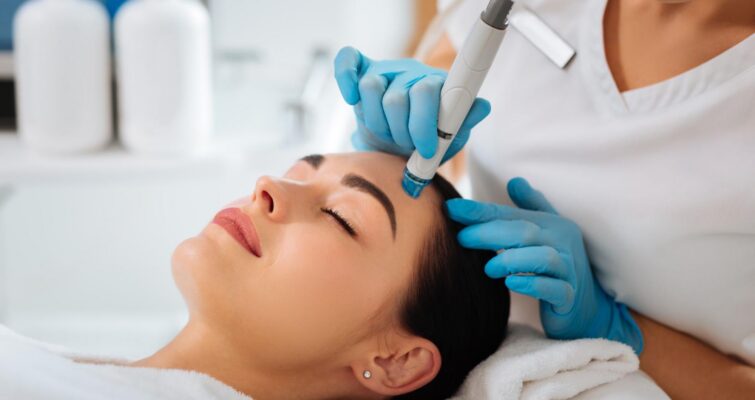
HydraFacials have become one of the most requested facial treatments for people who want smoother, brighter, more hydrated-looking skin without the downtime often associated with more intensive aesthetic procedures. A HydraFacial treatment is gentle and designed to refresh the skin by clearing buildup, supporting hydration, and delivering targeted serums in one visit.
But why is the HydraFacial so popular?
For many patients, the appeal comes from the balance between comfort and visible results. A HydraFacial facial is non-invasive and appropriate for many common skin concerns, including dullness, clogged pores, dryness, uneven texture, and the appearance of fine lines. It is also often considered by teens and adults who want a clearer, more refreshed look without a more aggressive peel or resurfacing treatment.
At hol+, HydraFacial for skin health is viewed as part of a broader whole-person approach. Skin can reflect what is happening at the surface and beneath it, from hydration and inflammation to hormone patterns, nutrition, stress load, and environmental exposure. A facial treatment can support the surface of the skin, but long-term skin health often depends on understanding the person beneath the skin, too.
What Is a HydraFacial?
A HydraFacial is a technology-assisted facial treatment that uses a patented device to cleanse, exfoliate, extract, and hydrate the skin. The system uses a vortex-style delivery method to loosen dead skin cells and clear pore-clogging buildup while infusing the skin with hydrating ingredients.
The HydraFacial system is commonly described as a three-step treatment: Cleanse + Peel, Extract + Hydrate, and Fuse + Protect. Treatment is delivered through the Vortex-Fusion® delivery system, which uses a specialized handpiece with patented HydroPeel® tips to exfoliate the skin, lift impurities, and deliver hydrating serums.
During the treatment, the device exfoliates the skin while using gentle suction to lift pore buildup. The final infusion step delivers hydrating serums, often with ingredients such as antioxidants, peptides, and hyaluronic acid, to support a more radiant-looking complexion (1).
“A HydraFacial is a technology-assisted facial that cleanses, exfoliates, extracts, and deeply hydrates the skin in one treatment. Patients often love the immediate glow, but what I value most is that it can be customized to concerns like dryness, congestion, uneven tone, and fine lines.”
— Dr. Taz Bhatia
Unlike some traditional facials, the HydraFacial treatment uses device-guided technology to create a more consistent experience. Treatment plans can still be customized based on skin type, sensitivity, cosmetic goals, and whether the patient has recently had other aesthetic procedures.
A typical HydraFacial appointment often takes about 30 minutes, although timing can vary depending on the treatment type, add-ons, and the patient’s skin needs.
The One and Only HydraFacial
1. Cleansing and Exfoliation
The first step focuses on cleansing and exfoliation. Using the HydraFacial wand and specialized tip, the provider gently moves across the skin to loosen dead skin cells, surface oil, and buildup. This step helps prepare the skin for deeper cleansing and hydration.
Many people describe this part of the treatment as gentle and comfortable. Instead of abrasive scrubbing, the device provides controlled exfoliation that helps reveal a smoother-looking surface.
2. Gentle Peel
Next, the treatment may include a gentle chemical-exfoliation step. HydraFacials often use acids such as glycolic and salicylic acid to help loosen pore debris and refine the surface of the skin. This is different from a stronger chemical peel, which may cause more visible peeling or redness.
The goal is not to strip the skin. The goal is to support a clearer, more polished surface while keeping the treatment comfortable for many skin types.
3. Extraction
The extraction step uses suction to help remove debris from pores. For patients with blackheads, congestion, or enlarged-looking pores, this can be one of the most satisfying parts of the treatment.
Traditional manual extractions can sometimes feel uncomfortable or leave lingering redness. HydraFacial extraction uses a vacuum-assisted process, which may be better tolerated by many patients while still helping clear pore buildup.
4. Hydrating Serum
The final step infuses the skin with hydrating and antioxidant-focused serums. This is where the “glow” often comes from. Ingredients such as hyaluronic acid may help support hydration and a plumper-looking skin surface, while antioxidant support helps defend against environmental stressors.
Some HydraFacial treatments may also be paired with LED light therapy or other aesthetic services when appropriate. Timing is important, especially after procedures such as injectables, laser resurfacing, microneedling, surgery, or stronger chemical peels. Combination-treatment protocols should be determined by licensed professionals and individualized to the patient (1).
Benefits of a HydraFacial
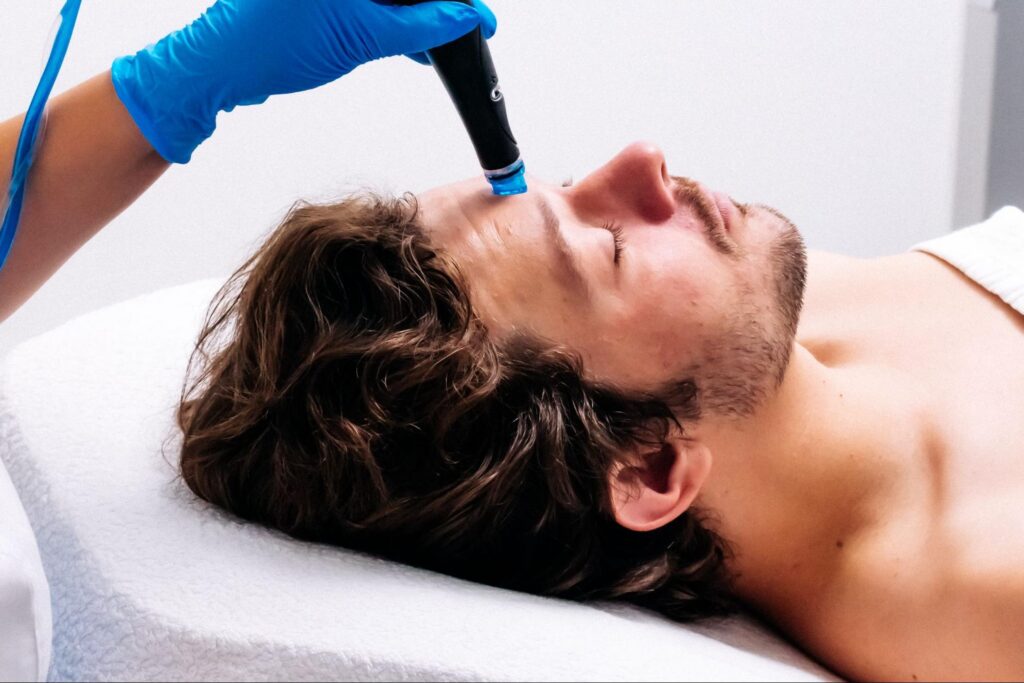
HydraFacial benefits can vary based on skin type, treatment frequency, current skincare habits, and overall health. Many patients seek this non-invasive facial treatment because they want a brighter, smoother, more refreshed appearance without significant downtime.
Supports Hydration and Skin Barrier Function
Hydration is one of the most recognized HydraFacial benefits. Dryness can make fine lines look more visible, leave the skin feeling tight, and contribute to dullness. By combining exfoliation with hydrating-serum infusion, a HydraFacial treatment can help the skin look more supple and refreshed.
Skin-barrier support matters because the barrier helps protect against moisture loss and environmental stressors. A depleted barrier may feel irritated, rough, or reactive. For patients focused on HydraFacial for skin health, hydration is not only cosmetic. It supports the skin’s ability to function as a protective surface.
Helps Reduce Congestion and Enlarged Pores
Pores can look more noticeable when they are congested with oil, dead skin cells, and debris. HydraFacial extraction helps clear buildup through suction rather than forceful manual extraction.
This can be especially appealing for patients who struggle with oily skin, blackheads, or dullness caused by clogged pores. Results vary, but many patients notice that their skin looks cleaner and smoother after treatment.
Improves Skin Texture and Radiance
Dead skin cells can accumulate on the surface of the skin, leaving the complexion looking uneven or tired. The exfoliation and peel steps help remove that buildup so the skin reflects light more evenly.
After treatment, many patients notice a hydrated glow, smoother-looking texture, and a more polished appearance (2).
Supports Healthy Aging Goals
HydraFacial does not stop aging or replace medical aesthetic procedures. It may, however, support healthy aging goals by helping the skin look smoother and more refreshed.
For patients noticing fine lines, dullness, or textural changes, regular care may help maintain skin quality over time. The treatment can also be considered before special events because many patients enjoy the immediate refreshed appearance.
May Complement Acne-Prone Skin Care Routines
A HydraFacial can be useful for some acne-prone patients because it helps address congestion, oiliness, and surface buildup. A published clinical study of HydraFacial Clarifying Treatment found that a series of six treatments was well tolerated and associated with improved overall skin appearance in patients with active acne, although acne care should still be individualized (2).
HydraFacial should not replace prescription treatment or medical guidance when acne is persistent, painful, cystic, or scarring. At hol+, acne-prone skin may also prompt a broader evaluation of the internal and external factors that can influence breakouts, from hormone patterns and inflammation to nutrition and gut health.
Safe for Most Skin Types
HydraFacial is often suitable for many skin types, including dry, oily, combination, and mature skin.
Sensitive or reactive skin needs thoughtful evaluation. Your provider may modify exfoliation intensity, choose specific boosters, or delay treatment if the skin barrier is irritated. Patients with rosacea, autoimmune skin conditions, or highly reactive skin should be assessed before treatment.
How Often Should I Get a HydraFacial?
HydraFacial frequency depends on your skin goals, skin sensitivity, treatment history, and provider recommendations. Many patients choose monthly HydraFacials to maintain a refreshed glow.
In some cases, a short series of weekly HydraFacial treatments may be appropriate. You may be able to undergo weekly treatments for up to three weeks before or after certain aesthetic procedures, such as microneedling, when recommended by a qualified provider. This does not mean weekly treatment is necessary for everyone. The right schedule should be based on your skin barrier, current concerns, recent procedures, and how your skin responds.
Once a healthier skin baseline is established, many patients transition to a once-a-month maintenance schedule.
Who Is a Good Candidate for a HydraFacial?
Good candidates may include people who want a non-invasive facial treatment for:
- Dry or dehydrated-looking skin
- Oily skin or visible congestion
- Acne-prone skin
- Enlarged-looking pores
- Fine lines
- Uneven tone or texture
- Early visible signs of aging
“HydraFacials can be a good fit for people who want brighter, smoother, more hydrated-looking skin without the downtime of more aggressive procedures. I especially like them for dull or dehydrated skin, clogged pores, and uneven texture.”
— Dr. Taz Bhatia
A HydraFacial may also be a good option before a wedding, photoshoot, or event when someone wants a luminous, refreshed look. Mild redness can happen, and skin may be more sun-sensitive after treatment, so aftercare and SPF remain important.
When a HydraFacial May Not Be Appropriate
A HydraFacial may need to be postponed if you have:
- An active rash
- Open wounds or broken skin
- Severe sunburn
- An active skin infection
- A cold-sore flare
- Recent isotretinoin use
- Recently completed cosmetic procedures that have not fully healed
Patients with rosacea, autoimmune skin conditions, or highly reactive skin should check with a physician or qualified HydraFacial provider before treatment so the service can be customized or postponed when needed.
Patients who have recently had Botox, filler, laser resurfacing, microneedling, surgery, or a stronger chemical peel (40% glycolic acid or higher) should ask their provider when it is safe to schedule a HydraFacial. Published protocol guidance recommends waiting 5–7 days after Botox, 7–10 days after dermal filler, at least 14 days after laser treatment, and at least four weeks after stronger chemical peels, depending on the peel type and skin response.
Timing should still be individualized based on healing, redness, swelling, scabbing, and skin sensitivity (1).
Why Skin Health Matters
The Skin Barrier
The skin barrier helps the body hold moisture while protecting against daily environmental stressors. When that barrier is healthy, skin tends to feel more comfortable and balanced. When it is compromised, patients may notice dryness, irritation, or increased sensitivity.
A HydraFacial can support the skin’s surface by combining gentle exfoliation with hydrating-serum infusion. At hol+, this surface-level care fits into a broader whole-person health framework.
Cellular Turnover
Cellular turnover is the skin’s natural process of shedding old cells and bringing newer cells to the surface. When turnover slows or buildup accumulates, the skin may look dull, uneven, congested, or rough.
The exfoliation step in a HydraFacial treatment helps remove dead surface cells, while the extraction step supports clearer-looking pores. This can improve the appearance of texture and radiance without the intensity of more aggressive resurfacing.
Skin Health as Part of Whole-Person Health
Skin does not exist separately from the rest of the body. Inflammation, stress, nutrition, hormone health, gut health, sleep, and environmental exposure can all influence how skin looks and feels.
“The skin is a barrier organ that helps regulate hydration, immune defense, and protection from environmental stressors. When we support the skin barrier, calm visible inflammation, and help someone feel more confident in their skin, we are supporting physical health and emotional well-being.”
— Dr. Taz Bhatia
This is where hol+ differs from a standard spa experience. HydraFacial can support the skin’s surface, while holistic and functional medicine can help patients explore deeper patterns that may be affecting skin health over time.
Patients with ongoing skin concerns may benefit from a broader clinical conversation, especially when acne, inflammation, dryness, flushing, or rashes keep returning. At hol+, skin changes are viewed in the context of whole-person health, including the ways hormone health, gut function, nutrition, stress physiology, and inflammatory patterns may influence the skin over time.
FAQs
How long does a HydraFacial take?
A HydraFacial treatment often takes about 30 minutes, though some appointments may be longer if the treatment includes boosters, LED light therapy, or additional aesthetic services.
Can you wear makeup after a HydraFacial?
Many people can return to normal activities after a HydraFacial, and some apply makeup the same day. However, many patients prefer to let the skin breathe and enjoy the post-treatment glow. Your provider may recommend gentle skincare and SPF after treatment, especially because exfoliated skin may be more sun-sensitive.
Is a HydraFacial safe for sensitive skin?
HydraFacial for sensitive skin may be appropriate for many patients, but the treatment should be customized. If your skin is very reactive, inflamed, sunburned, or actively flaring, it may be better to delay treatment until the barrier is calmer.
Can a HydraFacial help with acne?
A HydraFacial may help acne-prone skin by reducing surface buildup, oiliness, and pore congestion. It may be included as part of an acne-care routine, but it should not replace medical evaluation when acne is persistent, painful, or causing scarring.
Find HydraFacial at hol+
Book an Appointment Today
Would you like to experience a HydraFacial treatment through a more personalized skin-health lens? Schedule an appointment with the spa at hol+, Atlanta’s functional holistic health and wellness center, to support clearer, smoother, more hydrated-looking skin.