

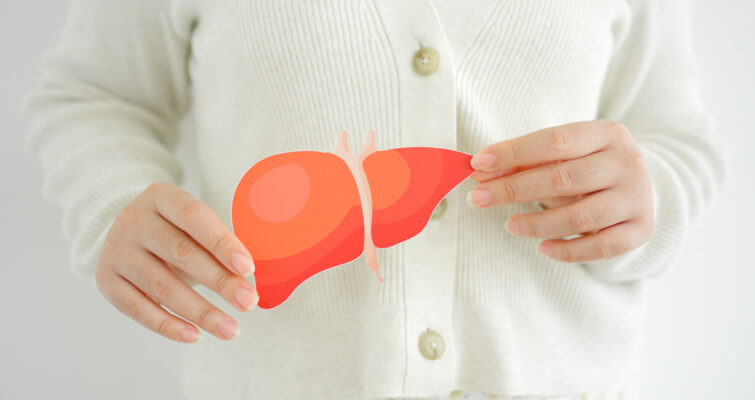
Quick answer: Fatty liver disease often develops silently, with early symptoms like fatigue, brain fog, and mild abdominal discomfort easily mistaken for stress or poor sleep. These symptoms frequently connect to blood sugar imbalances, since insulin resistance and fat accumulation in the liver tend to progress together. Recognizing this link early allows for a root cause approach that addresses both liver health and blood sugar regulation before more serious complications develop.
Fatty liver disease has quietly become one of the most common chronic health conditions in the world, yet most people walk around with it unaware. That’s because the liver doesn’t send obvious distress signals the way a strained muscle or an aching joint does. Instead, its symptoms that feel vague or easy to blame on stress, poor sleep, or getting older.
Fatty liver disease is also tied to how your body manages blood sugar. The liver and the pancreas are in constant conversation, and when that conversation breaks down, fat starts to build up in liver tissue while blood sugar regulation becomes less efficient. Understanding this connection gives you a chance to intervene early, before the condition advances toward more serious liver damage or type 2 diabetes.


At hol+, we believe in whole person health, which means looking beyond a single lab value or isolated symptom to understand how your liver, metabolism, and daily habits interact as one system. This article walks through the fatty liver symptoms most people overlook, explains the blood sugar connection behind them, and outlines a systems-based approach to restoring balance.
Explore our approach to Metabolic & Gut Health>>
What Is Fatty Liver Disease, and Why Does It Go Unnoticed?
Fatty liver disease, also known as hepatic steatosis, occurs when excess fat accumulates in liver cells, interfering with the organ’s ability to filter toxins, regulate metabolism, and support digestion. There are two primary types: alcoholic fatty liver disease and non-alcoholic fatty liver disease (NAFLD), with NAFLD now recognized as the more common form, closely tied to diet, metabolic health, and insulin resistance (1).
The liver has a remarkable capacity to function even when it’s under strain (2). This resilience is part of what makes early-stage fatty liver disease so easy to miss. Symptoms tend to be subtle, inconsistent, and easily mistaken for unrelated issues, which means many people live with the condition for years before it’s identified (3).
Listen: Fatty Liver Can Be Silent – Know the Signs and What to Ask Your Doctor
Early Signs of Fatty Liver Disease That Go Unnoticed
When symptoms of fatty liver disease do appear, they tend to be vague and nonspecific, which is exactly why so many people miss them.
Persistent Fatigue That Doesn’t Improve With Rest
Fatigue is one of the most commonly reported fatty liver symptoms, yet it’s also one of the easiest to dismiss (4). The liver plays a central role in energy metabolism, processing nutrients and filtering toxins from the blood. When liver function is compromised by fat accumulation, this process becomes less efficient, leaving the body with less available energy (5). Unlike ordinary tiredness, fatty liver fatigue often persists even after a full night’s sleep.
Mild Discomfort or Fullness in the Upper Right Abdomen
A subtle feeling of pressure or fullness beneath the right rib cage, where the liver sits, is another frequently overlooked symptom (6). This sensation is often mild enough that people attribute it to overeating or digestive upset rather than recognizing it as a sign of liver changes.
Brain Fog and Difficulty Concentrating
Cognitive sluggishness, trouble focusing, and a general sense of mental cloudiness can all stem from impaired liver function. The liver helps regulate ammonia and other byproducts that, when not properly cleared, can affect brain function (7). Many people chalk this up to stress or lack of sleep without considering their liver’s role.
Unexplained Weight Gain, Particularly Around the Midsection
Fat accumulation in the liver often occurs alongside fat accumulation around the abdomen. This type of visceral weight gain can happen gradually, making it easy to overlook as a potential warning sign.
Skin Changes, Including Darkened Patches
A lesser-known fatty liver symptom is acanthosis nigricans, which presents as dark, velvety patches of skin, often around the neck, armpits, or groin (8). This skin change is closely associated with insulin resistance, which brings us to the deeper connection at play.
Listen: How to Liver Detox—Advice from a Functional MD
The Link Between Fatty Liver Disease and Blood Sugar Problems
Fatty liver disease and blood sugar imbalances are deeply intertwined, often driving one another in a cycle that worsens over time if left unaddressed.
Insulin Resistance Plays a Central Role
Insulin resistance occurs when the body’s cells stop responding efficiently to insulin, the hormone responsible for moving sugar out of the bloodstream and into cells for energy. When cells resist insulin’s signal, the pancreas compensates by producing more of it, leading to chronically elevated insulin levels.
This excess insulin sends a strong signal to the liver to convert extra sugar into fat for storage (9). Over time, this process contributes directly to fat buildup within liver tissue. In turn, a fatty liver becomes less capable of regulating blood sugar properly, which worsens insulin resistance further (10). The result is a self-reinforcing cycle between liver fat and blood sugar dysregulation.
How the Liver Controls Blood Sugar Regulation
The liver acts as a reservoir for glucose, storing it as glycogen and releasing it when blood sugar levels drop. A healthy liver manages this process smoothly. A fatty liver, however, struggles to regulate glucose release accurately, which can contribute to the blood sugar spikes and crashes many people experience without understanding the underlying cause (11).
Why This Connection Often Goes Undiagnosed
Because fatty liver disease and blood sugar imbalances share overlapping symptoms, such as fatigue and brain fog, it’s easy for one condition to mask the presence of the other. Standard blood work may show blood sugar levels within a normal range even as insulin resistance is quietly developing, since insulin resistance can precede measurable blood sugar changes by years. This is one of the key reasons a systems-based approach to testing and treatment matters.
A Root Cause Approach Identifies Fatty Liver and Blood Sugar Issues Earlier
Conventional care often waits for liver enzymes or blood sugar levels to reach clearly abnormal ranges before recommending intervention. By that point, meaningful damage may have already occurred. A root cause medicine approach, by contrast, looks for the early metabolic shifts that arise before diagnosable disease.
Comprehensive Metabolic Testing
Rather than relying solely on standard liver enzyme panels, a thorough evaluation includes markers like:
- Fasting insulin
- HbA1c
- Inflammatory markers
These can reveal insulin resistance long before blood sugar levels become abnormal. Imaging, such as a liver ultrasound, can also detect fat accumulation before symptoms become pronounced.
Understanding Your Unique Risk Factors
Everybody’s path to fatty liver and blood sugar imbalance looks different. Factors like genetics, stress levels, sleep quality, gut health, and dietary patterns all play a role. This is why personalized medicine matters – a plan built around your specific history and lab results will always outperform a generic recommendation.
Why System-Level Health Matters
The liver doesn’t operate by itself. Gut health influences inflammation, which influences insulin sensitivity, which influences liver fat storage. Hormonal balance, stress response, and sleep quality all feed into this same system. Addressing fatty liver and blood sugar concerns effectively requires looking at the whole picture, not just the liver or the pancreas in isolation.
How Does Functional Medicine Approach Fatty Liver and Blood Sugar Together?
Functional medicine looks beyond isolated test results to understand how diet, stress, sleep, movement, and genetics interact to create a person’s unique health picture. Rather than treating fatty liver and blood sugar imbalance as two separate issues to manage independently, this system-level health approach asks what’s driving both conditions simultaneously.
This might involve:
Dietary patterns: Reducing refined carbohydrates and added sugars, which directly burden both liver fat storage and insulin response.
Movement: Regular physical activity improves insulin sensitivity and helps the body use stored fat, including liver fat, more efficiently.
Sleep quality: Poor sleep is strongly linked to both insulin resistance and liver inflammation (12), making it an essential, if often overlooked, piece of the puzzle.
Stress management: Chronic stress elevates cortisol, which can worsen both blood sugar control and fat storage in the liver.
Gut health: Emerging research continues to highlight the gut-liver connection, with an imbalanced microbiome contributing to inflammation that affects both systems (13).
This is root cause medicine in practice: instead of only addressing symptoms as they appear, the goal is to understand and resolve what’s generating them in the first place.
Want to learn more? Schedule a FREE 15 minute consultation
Schedule Your Consultation
When Should You Seek Support for Fatty Liver Symptoms?
If you recognize several of the symptoms described here, particularly fatigue, abdominal discomfort, skin changes, or persistent midsection weight gain, it’s worth having a conversation with a healthcare provider who understands the full picture.
Schedule a free, 15-minute consultation today>>
Fatty liver disease in its earlier stages is often reversible through consistent lifestyle changes and, where appropriate, targeted medical support. Waiting until symptoms become more pronounced typically means working with more established patterns that take longer to shift.
Your Next Step Toward Whole Person Liver and Metabolic Health
Fatty liver symptoms can be broad and vague, and that’s exactly why so many people live with this condition without realizing it. Fatigue, mild abdominal discomfort, brain fog, skin changes, and stubborn weight gain can all be easy to dismiss individually. But when blood sugar imbalance is part of the picture, it’s an early warning for how your liver and blood sugar regulation are working together, or struggling to.
At hol+ we follow a doctor-led holistic care approach that honors how interconnected your body truly is. By addressing fatty liver and blood sugar imbalances together, rather than treating them as separate concerns, you give yourself the best chance at lasting, system-level health.
If any of these symptoms sound familiar, consider this your encouragement to look deeper. A personalized health assessment can reveal what standard testing might miss, and a tailored plan grounded in functional medicine principles can help you restore balance before small imbalances become bigger health concerns. Your liver works hard in the background for you every day, and it deserves the same thoughtful, whole person attention in return.
Frequently Asked Questions
Can fatty liver disease be reversed?
Yes, particularly in its early stages. Fatty liver disease often responds well to lifestyle changes like improved nutrition, regular movement, and better sleep and stress management. Because liver tissue has a strong capacity to heal when the underlying causes are addressed, early intervention offers a meaningful opportunity for reversal.
How long does it take for fatty liver symptoms to improve with treatment?
Timelines vary based on individual factors like the degree of fat accumulation, overall metabolic health, and consistency with lifestyle changes. Many people notice improvements in energy and digestive comfort within a few months of consistent changes, though full liver healing may take longer and should be monitored through follow-up testing.
Is fatty liver disease only a concern for people who are overweight?
No. While excess weight is a common risk factor, fatty liver disease can also affect people at a healthy weight, particularly those with insulin resistance, high stress levels, or certain genetic predispositions. This is sometimes referred to as lean fatty liver disease, and it underscores why a personalized, root cause approach matters more than relying on weight alone as an indicator.
What is the difference between fatty liver disease and diabetes?
Fatty liver disease involves fat accumulation in liver tissue, while diabetes involves chronically elevated blood sugar levels. They are distinct conditions, but they share a common underlying driver in many cases: insulin resistance. This is why the two conditions so often appear together and why addressing one frequently benefits the other.
Who should consider getting tested for fatty liver disease?
Anyone experiencing persistent fatigue, unexplained abdominal discomfort, brain fog, or skin changes like darkened patches should consider a conversation with a healthcare provider about liver and metabolic testing. This is especially true for those with a family history of diabetes or liver disease, or anyone carrying excess weight around the midsection.