

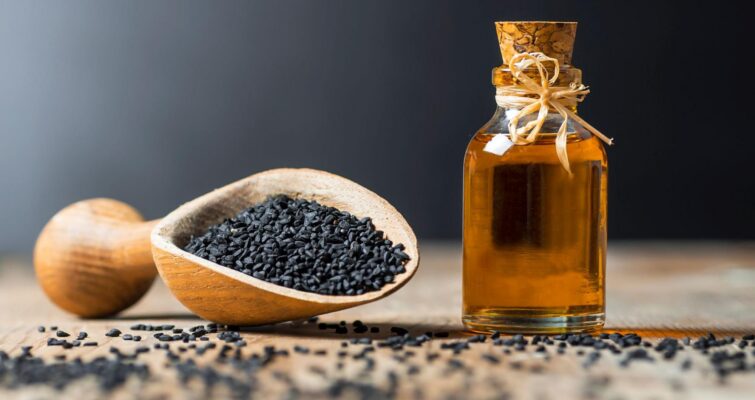
Black seed oil comes from a medicinal plant whose use dates back more than 2,000 years. Queen Nefertiti was reportedly an ardent user, but black seed oil’s benefits may go much more than skin deep.
Potential black seed oil benefits for women include support for inflammation, skin health, digestion, allergies, metabolic function, and hormone-related pathways. Still, black seed oil is a supportive botanical, not a cure-all or a substitute for medical care.
For women, black seed oil is especially interesting because many of its studied pathways overlap with hormone health. Inflammation, blood sugar, gut health, immune signaling, oxidative stress, thyroid function, and metabolism all influence how hormones behave in the body.
To learn more about holistic methods for balanced hormones, gut health, and natural beauty, join the Circle.
Is Black Seed Oil Good for Women’s Hormones?
Black seed oil may support women’s hormones indirectly by helping calm the body systems that influence hormone signaling. Research on Nigella sativa and thymoquinone suggests potential effects on inflammation, oxidative stress, and metabolic health, all of which can shape hormone-related symptoms (1).
That makes black seed oil for hormone balance an interesting area of study, especially for women dealing with PMS, PCOS, perimenopause, menopause, weight changes, or metabolic shifts. However, black seed oil does not act as hormone replacement therapy, and it should not be used as a stand-alone treatment for hormone imbalance.
“Black seed oil is a hormone-supportive oil, not a hormone treatment.” — Dr. Taz Bhatia
A root-cause approach is often needed for lasting hormone balance. At hol+, hormone health is evaluated within the context of metabolism, thyroid function, gut health, stress physiology, inflammation, nutrient status, and lifestyle patterns.
What Is Black Seed Oil?
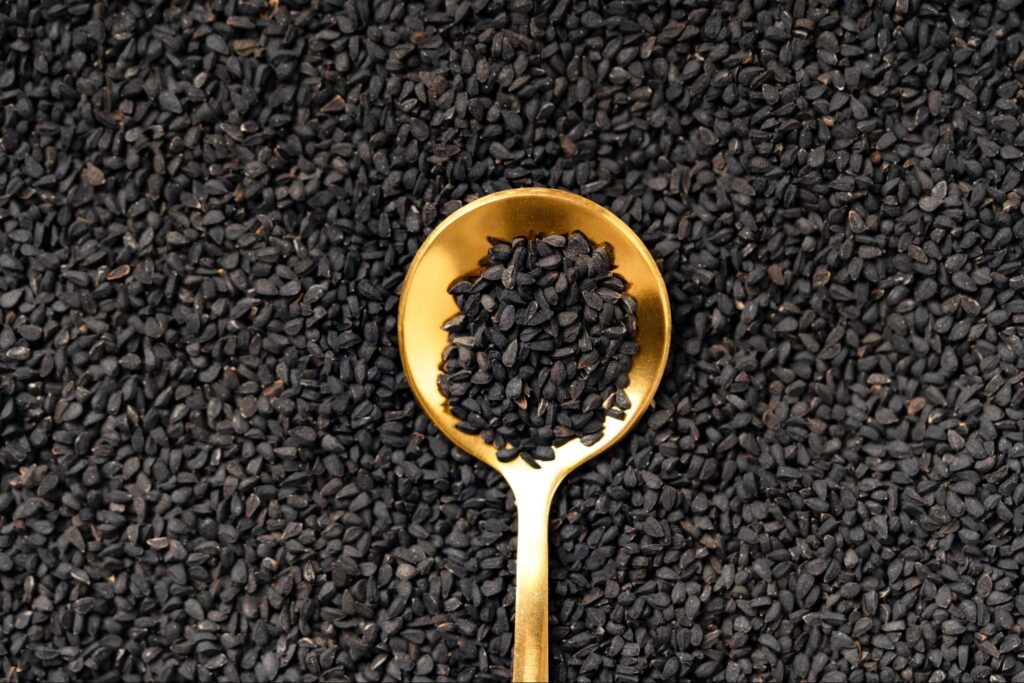
Black seed oil, sometimes called black cumin seed oil, comes from the small black seeds of the flowering Nigella sativa plant. It is most often found as an amber-colored oil or in capsule form.
Black seed oil has been cultivated in Southwest Asia, the Middle East, Africa, and Eastern Europe. Traditional cultures have used it as a tonic for everything from digestive issues to immune function and beyond.
Product names can be confusing. Black seed, black cumin seed, and Nigella sativa often describe the same plant. Some products labeled “black cumin,” however, may come from a different botanical source. Look for Nigella sativa on the label.
Why Women Should Use Black Seed Oil
Black seed oil has been a staple in Ayurveda and traditional Eastern medicine practices for centuries. It has traditionally been used for allergies, sore throat, digestive issues, skin rashes, inflammation, and many other concerns.
What gives black seed oil its healing powers?
Black seed oil naturally contains beneficial fatty acids, including omega-3, omega-6, and omega-9 fatty acids, plus minerals and plant compounds that contribute to its biological activity.
Black seed oil also has immune-regulatory, anti-inflammatory, and antioxidant properties. Its phytonutrients include carvacrol and thymoquinone, which have received modern research attention (2).
Can Black Seed Oil Help Balance Hormones?
The potential benefits of black seed oil on hormones should be understood through the systems your hormones rely on. It does not add hormones to the body. Instead, research suggests it may support the inflammatory and oxidative-stress patterns that interact with metabolism, immune function, and hormone signaling.
That makes using black seed oil for hormone imbalance a possible supportive tool for some women, but not a replacement for testing, diagnosis, or individualized treatment.
Black Seed Oil and PCOS
PCOS is often linked with insulin resistance, inflammation, weight resistance, and androgen-related symptoms. Because Nigella sativa has been studied for glucose metabolism, inflammation, lipid markers, and reproductive pathways, it may be relevant to natural hormone support for women with PCOS-related patterns (1,2).
Current research does not support black seed oil as a primary PCOS treatment. Women with PCOS-like symptoms should work with a clinician rather than relying on black seed oil alone. Irregular cycles, acne, excess hair growth, fertility concerns, and weight resistance may point to deeper patterns involving insulin, androgens, thyroid health, or inflammation.
Black Seed Oil and Menopause
Perimenopause and menopause can affect sleep, mood, weight, skin, hair, energy, and body composition. Some research has explored black cumin in women during the menopausal transition, including potential effects on weight, metabolic markers, and menopausal symptoms (1).
This does not mean black seed oil treats menopause. It may help support inflammatory and metabolic pathways that become more important during this life stage.
Black Seed Oil and Thyroid Health
Thyroid hormones influence metabolism, energy, mood, digestion, hair growth, and temperature regulation. Preliminary research has explored Nigella sativa in relation to thyroid and reproductive hormone patterns, but the evidence is still early (1). Women with thyroid-like symptoms should not rely on black seed oil alone.
Benefits of Black Seed Oil in Women’s Health
Black seed oil has been studied for several biological effects, especially those related to inflammation, immune response, oxidative stress, and microbial balance (2,3). Thanks to these properties, black seed oil may affect immune and inflammatory pathways that play a role in many different health concerns.
Common Reasons Women Use Black Seed Oil
| Health Goal | Potential Role of Black Seed Oil |
| PMS support | May support inflammatory pathways |
| Digestive health | May support microbial and gut-comfort patterns |
| Seasonal allergies | May support immune regulation |
| Skin health | Provides antioxidant and anti-inflammatory activity |
| Hair health | May support scalp comfort and hair-density patterns |
| Metabolic health | May support glucose and lipid metabolism |
| Hormone health | May support multiple hormone-related pathways |
A great many black seed oil benefits are likely related to thymoquinone, a powerful phytonutrient that has been studied in different organs and tissues.
1. Black Seed Oil May Support Digestive and Microbial Balance
Digestive discomfort can sometimes reflect irritation, inflammation, or changes in the gut microbiome. In some cases, bacteria such as H. pylori may also be part of the picture. Black seed has been studied for gastrointestinal effects, including gut protection, inflammatory signaling, and microbial patterns (4).
One study looked at ground Nigella sativa seeds combined with honey in people with H. pylori, while another studied black cumin seed powder alongside conventional therapy (5,6). These findings are promising, but they do not mean black seed oil alone can treat H. pylori or replace medical care.
“Black seed oil may help support a healthier gut environment. However, it is not a replacement for gut health testing or medical treatment that may be necessary because of more complicated metabolic issues.” — Dr. Taz Bhatia
2. Early Research Suggests Potential Anti-Cancer Activity
Thymoquinone is the naturally occurring phytochemical extracted from black seed oil that has been studied for anti-tumor effects in laboratory research. Researchers have explored how thymoquinone may affect liver cancer-cell pathways and treatment response in preclinical models (7).
Most evidence in this area comes from cell, animal, or laboratory studies. Human evidence remains limited, and black seed oil should never replace cancer screening, oncology care, chemotherapy, radiation, surgery, immunotherapy, or medication.
3. Black Seed Oil May Support Libido Indirectly
Supplementing with black seed oil has been discussed in relation to hormone balance, sexual health, and reproductive function. Some research has explored Nigella sativa in connection with reproductive hormones and oxidative stress, but the evidence around female sexual desire remains limited (1).
For women, libido is often shaped by whole-body health rather than a single hormone or supplement. Black seed oil may support some of the inflammatory and metabolic patterns that influence desire, but it should not be considered a proven libido booster.
4. Black Seed Oil May Support Fertility
Black seed oil and fertility is an area of growing interest. Studies have explored Nigella sativa in relation to female reproductive models, oxidative stress, reproductive tissue health, and hormone-related pathways (1,8).
Fertility is complex, and black seed oil should not replace a full evaluation. For women trying to conceive, cycle patterns, thyroid health, insulin resistance, inflammation, and uterine or ovarian factors may all need to be considered.
5. Black Seed Oil May Help Seasonal Allergy Symptoms
Looking for natural support for seasonal allergies? Black seed oil might be worth discussing with your clinician.
Black seed oil is considered immunomodulatory, which means it may help support a healthy immune response to triggers such as seasonal allergens. In one study, participants using topical black seed oil reported improvements in allergic rhinitis symptoms such as nasal congestion, itching, runny nose, and sneezing (9).
A newer review also found that Nigella sativa may improve allergic rhinitis symptoms, though the authors noted that larger, better-designed studies are still needed (10).
6. Black Seed Oil for Glowing Skin
While no one can personally vouch for Queen Nefertiti’s renowned beauty, historical reports claim she was a devoted user of black seed oil. Its natural anti-inflammatory properties may make it a beneficial choice for skin health.
Research has explored Nigella sativa in relation to acne, eczema, psoriasis, vitiligo, wound healing, skin irritation, and inflammatory skin patterns (1,11,12). In one randomized trial, topical Nigella sativa used with vinegar improved acne-related outcomes compared with a control treatment (11).
Patch test before applying black seed oil to larger areas of skin, and stop using it if redness, itching, burning, or rash develops.
7. Black Seed Oil May Support Scalp Health and Hair Density
Struggling with hair loss or thinning hair? Because black seed oil contains beneficial nutrients and fatty acids, it is often used in scalp oils, shampoos, and hair masks.
Black seed oil may help moisturize the hair and scalp. It may also support scalp comfort, especially when dryness or irritation is part of the picture. For women, hair loss often reflects a larger body pattern rather than a scalp issue alone. Thyroid function, iron status, postpartum recovery, stress load, inflammation, and hormone shifts may all shape how and when shedding appears.

Where to Find Black Seed Oil
Are you interested in trying this ancient remedy? The good news is that black seed oil can be found in many health food stores and online, but it is important to be selective.
Cold-pressed, minimally processed black seed oil is generally preferred. It should be stored in a dark-colored glass bottle and kept away from heat, sunlight, and moisture. You can also find black seed oil softgels in pure oil form or combined with other oils. If you choose capsules, verify that the label clearly states Nigella sativa.
Choosing a High-Quality Black Seed Oil
Black seed oil quality can vary widely. Choose a cold-pressed black seed oil packaged in dark glass, and make sure the label clearly identifies Nigella sativa. When possible, select a product with third-party testing, minimal additives, and storage instructions that help protect freshness.
If the oil smells rancid or tastes unusually harsh, it may be old or poorly stored. Avoid vague proprietary blends when you want to know exactly what you are taking.
Can I Take Black Seed Oil Daily?
Black seed oil can be taken daily by some people, and studies have used different forms and amounts when evaluating potential benefits. Some research and supplement references describe common oral ranges, but dosage varies based on the product, the form, the reason for use, and the individual (13).
Daily use is not right for everyone. The right approach depends on the product, your medications, and your health history. This is especially important during pregnancy or breastfeeding, before surgery, or when blood sugar, blood pressure, or bleeding risk may be affected.
Is Black Seed Oil Safe for Women?
Black seed oil appears to be well tolerated for many people in small amounts, but natural does not always mean appropriate for every person. Black seed oil side effects may include digestive upset, nausea, bloating, dizziness, allergic reactions, or contact dermatitis when applied to the skin (13).
Speak with a healthcare provider before taking black seed oil if you:
- Are pregnant or breastfeeding
- Take blood-thinning medication
- Take diabetes or blood pressure medication
- Have a bleeding disorder
- Have kidney or liver disease
- Are preparing for surgery
- Are undergoing fertility treatment
- Are being treated for cancer or an autoimmune disease
FAQs
What are the potential side effects of black seed oil for women?
Potential black seed oil side effects include nausea, bloating, digestive upset, dizziness, allergic reaction, and contact dermatitis when applied to the skin. It may also interact with medications related to blood sugar, blood pressure, blood clotting, sleep, and surgery (13).
Does black seed oil raise estrogen levels?
There is not enough human evidence to say for certain that black seed oil raises estrogen levels. Some research has explored black cumin in relation to reproductive and hormonal markers, but black seed oil should not be treated as equivalent to estrogen therapy or hormone replacement therapy (1).
Should you take black seed oil in the morning or at night?
There is no universally best time to take black seed oil. Some people prefer taking it with food to reduce digestive discomfort. Others choose a consistent time of day so they can track how they feel. If you take medications, ask your healthcare provider whether timing matters.
How much black seed oil should a woman take daily?
There is no single daily dose that is right for every woman. Studies use different forms and amounts, so dosage should be guided by your health goals, medical history, medications, and product quality.
What to Remember
For women, black seed oil may be most useful as a supportive botanical that works through the body’s inflammatory, metabolic, immune, and oxidative-stress pathways. It is not a hormone treatment, but it may play a role in a broader approach to black seed oil for women’s health.
As always, it is best to consult your holistic physician about health concerns and before you begin any supplement.
For coaching, community, and holistic support, learn more about the Circle.
Medical disclaimer: The contents of this article are for informational purposes only. The content is not intended to be a substitute for professional medical advice, diagnosis, or treatment.