


Many adolescents experience persistent exhaustion despite getting adequate sleep and having normal results on routine lab tests. As parents, watching your teenager struggle to get out of bed or maintain their focus can be incredibly disheartening. We often attribute this widespread tiredness to academic pressure, excessive screen time, or poor sleep habits. While these behavioral patterns certainly play a role, assuming they are the sole culprits can cause us to overlook bigger red flags.
One of the most overlooked teen fatigue causes is iron deficiency – particularly low ferritin. Standard medical evaluations often miss this crucial piece of the puzzle because they rely on conventional lab ranges that do not always reflect optimal physiological function.
At hol+, we view adolescent health through a comprehensive lens. When we look deeply into the human health operating system, we find that missing essential nutrients disrupts the entire network. Let’s dive into how iron interacts with your teen’s metabolism, brain function, and immune system so we can guide you to restoring their natural vitality and energy.
Ready to find answers? Explore our approach to teen health>>
Why Teen Fatigue Is Often Misunderstood
The Default Assumptions
When teenagers complain of constant exhaustion, society tends to categorize the problem quickly to academic stress, erratic sleep habits, or mental health struggles like anxiety and depression. While these elements are undeniably relevant and deserve attention, relying exclusively on behavioral explanations may overlook the underlying biology.
A teenager’s body is going through rapid, demanding changes, and dismissing their tiredness as mere “teenage angst” minimizes what they are genuinely experiencing.
The Gap in Standard Evaluations
When concerned families seek medical answers for fatigue in adolescents, basic blood tests usually focus on hemoglobin and hematocrit to check for anemia. If these numbers fall within the standard reference range, the teenager is often given a clean bill of health. However, iron deficiency without anemia is frequently missed in these basic evaluations (1). Hemoglobin only drops after the body’s iron stores have been severely depleted.
Understanding Iron’s Importance in Adolescents
What Iron Does in the Body
Iron is a foundational mineral required for human life, playing a central role in:
- Cellular energy use and production
- Oxygen transport through hemoglobin, carrying oxygen from the lungs to every tissue in the body
- Mitochondrial energy production
- Neurotransmitter synthesis
- Maintaining robust pediatric immune health
When iron is scarce, every one of these systems struggles to perform.
Ferritin vs Hemoglobin
To understand why fatigue persists despite “normal” labs, we must differentiate between hemoglobin and ferritin. Hemoglobin is a late-stage marker of iron status. Ferritin, on the other hand, is a protein that stores iron in the cells—it serves as an early indicator of the body’s iron reserves.
A teen can have perfectly normal hemoglobin levels but severely depleted ferritin stores. This physiological state creates functional fatigue long before clinical anemia develops (2). Your teenager’s body is essentially running on fumes, prioritizing oxygen transport to the brain and heart while rationing energy everywhere else.
Explore our approach to Chronic Fatigue Syndrome>>
Want to learn more? Schedule a FREE 15 minute consultation
Schedule Your Consultation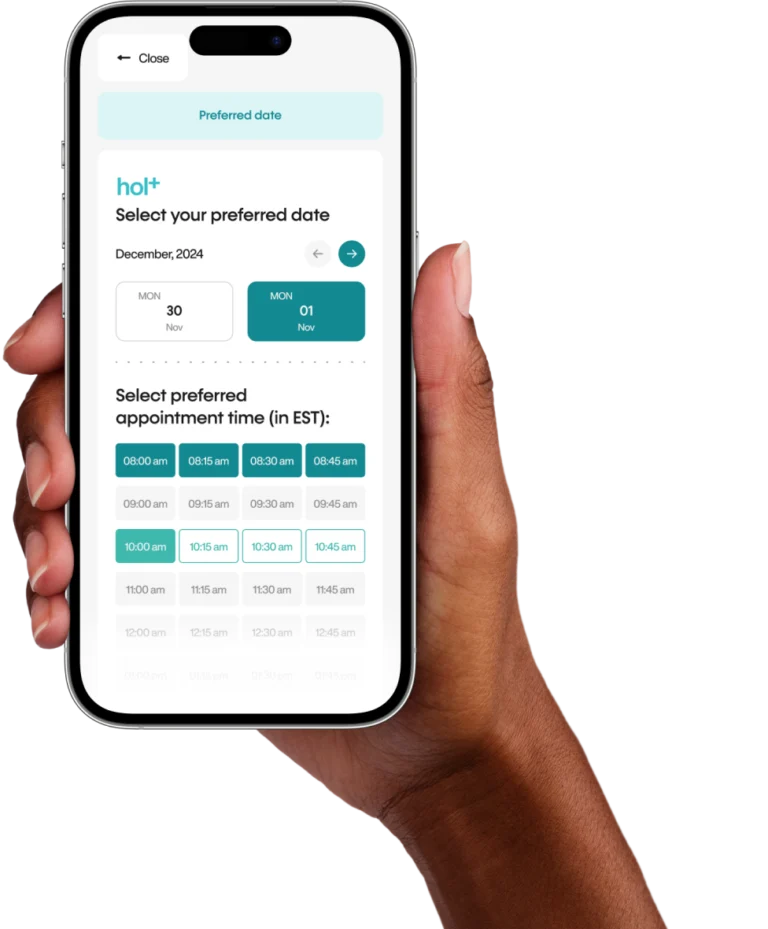
Iron Deficiency Without Anemia: The Hidden Phase
Why It Gets Missed
The medical community relies heavily on lab reference ranges, which are historically very broad. A ferritin level that is technically categorized as “normal” by a laboratory might still be completely suboptimal for the high energy demands of a growing teenager. Clinical symptoms – such as brain fog, lethargy, and muscle weakness – almost always precede lab abnormalities (2). By the time a standard lab flags an issue, the teenager has likely been suffering from low ferritin symptoms for months or even years.
Functional Thresholds vs Lab Ranges
Standard laboratory tests are designed for disease detection. We recognize that iron deficiency is a spectrum, not a binary diagnosis. Falling just inside the bottom edge of a reference range might keep a teen out of the hospital (3), but it will not give them the cellular energy needed to thrive in school, sports, and daily life .
The Systems-Based Impact of Low Iron
Energy and Mitochondrial Function
Mitochondria are the powerhouses of our cells, responsible for producing ATP (adenosine triphosphate), the energy currency of the body. Iron is an absolute requirement for this process. Without adequate iron, ATP production slows down drastically, resulting in persistent fatigue despite seemingly adequate rest (4).
Brain and Cognitive Function
Because iron is crucial for neurotransmitter synthesis – including dopamine and serotonin – a deficiency directly impacts mental clarity (5). Teens with low iron often experience brain fog, reduced focus, poor memory retention, and noticeable mood variability.
Hormone and Growth Demands
Adolescence brings a massive surge in hormonal activity and physical growth, both of which increase the body’s demand for iron (6). For girls, the onset of menstrual cycles introduces a recurring loss of iron that must be consistently replenished. Also, iron interacts closely with thyroid and metabolic signaling, meaning a deficiency can disrupt adolescent hormone health and metabolic balance.
Immune Function
Iron is essential for the proliferation and maturation of immune cells. A teenager lacking sufficient iron stores will often exhibit increased susceptibility to infections and slower recovery times from common illnesses (7).
Why Adolescents Are at Higher Risk
Growth and Development
The rapid physical growth spurts characteristic of the teenage years require immense nutritional resources. This accelerated development dramatically increases the body’s baseline iron demand.
Menstruation
Some 10–20% of menstruating women have iron deficiency (2). Regular blood loss through menstruation significantly increases iron requirements. Heavy or irregular periods, which are common as the endocrine system matures, can deplete iron stores faster than diet alone can replace them.
Dietary Patterns
Many teenagers consume diets low in bioavailable iron. A reliance on highly processed foods, or the adoption of vegetarian and restrictive diets without proper nutritional planning, often leads to chronic nutrient deficiencies in adolescents.
Gut Health and Absorption
You are not just what you eat, but what you can absorb. Poor absorption due to gut inflammation, low stomach acid, or microbiome imbalances can prevent even an iron-rich diet from restoring cellular levels (8). Gut health and iron absorption are intimately linked.
Athletic Demands
Active teenagers and student-athletes face increased iron utilization – with up to 35% of female athletes and up to 11% of male athletes experiencing deficiency without anemia (9). Muscle development, heavy sweating, and micro-losses from intense physical exertion put athletes at a particularly high risk for functional iron depletion (10).
The Role of Inflammation and Stress in Iron Regulation
Inflammation and Iron Sequestration
When the body experiences inflammation, it releases a hormone called hepcidin, which actively reduces iron absorption in the gut (11). The body intelligently sequesters iron away to prevent potential pathogens from utilizing it. However, in cases of chronic, low-grade inflammation, this protective mechanism traps iron, making it unavailable for normal energy production.
Stress Physiology
Chronic stress profoundly alters digestion and nutrient absorption (12). A teenager dealing with academic pressure or social anxiety may experience nervous system dysregulation. This state of “fight or flight” directs blood flow away from the digestive tract, impairing the body’s ability to extract nutrients from food.
Gut-Immune Connection
Gut inflammation reduces nutrient uptake across the board. An iron deficiency may actually reflect upstream dysfunction in the digestive tract or immune system. Fatigue is often a signal mismatch – where nutritional inputs exist, but utilization is impaired due to systemic inflammation.
Related: How Stress & Anxiety Wreak Havoc on Your Gut
Signs Iron Deficiency May Be Contributing to Teen Fatigue
Identifying iron deficiency symptoms teenagers requires looking at the whole picture. Patterns matter significantly more than any single isolated symptom. Watch for these indicators (13):
- Persistent fatigue despite getting 8-10 hours of sleep
- Brain fog, poor concentration, or declining academic performance
- Pale skin or noticeably dark under-eye circles
- Dizziness, lightheadedness, or feeling faint upon standing
- Shortness of breath with minimal physical exertion
- Cold intolerance (constantly feeling chilly)
- Hair thinning or increased hair shedding
- Restless legs, especially at night
Limitations of Standard Lab Testing
Common Gaps
Routine check-ups frequently leave out the very markers needed to assess systemic health. Ferritin is not always tested alongside a standard Complete Blood Count (CBC). Reference ranges for the tests that are ordered remain far too broad to catch early functional decline. And, inflammatory markers are rarely considered alongside iron panels, leaving doctors without the context needed to understand why iron might be low.
What Often Gets Missed
Because of these diagnostic gaps, functional iron deficiency routinely goes unnoticed. Early depletion – the stage before full-blown anemia sets in – is ignored, and the critical interaction between inflammation and iron metabolism is entirely overlooked.
Learn: 9 Popular Integrative Medicine Therapies for Kids
A Root Cause Medicine Approach to Teen Fatigue
Structured Clinical Evaluation
To truly heal, we must look at the human being, not just the spreadsheet of lab results. A root cause fatigue evaluation involves a detailed symptom timeline, mapping out exactly when the exhaustion began. We conduct comprehensive dietary assessments, review growth and developmental history, and carefully evaluate menstrual history where applicable.
Advanced Diagnostics
When necessary, we utilize advanced diagnostics to gain a transparent view of system-level health. This may include testing ferritin with an eye toward optimal range interpretation, rather than just standard ranges.
A complete iron panel (serum iron, TIBC, transferrin saturation) offers deeper insight. We also evaluate inflammatory markers, comprehensively assess gut health, and check the status of co-factor nutrients like Vitamin B12 and folate.
Restoring Energy Through System-Level Support
- Iron Repletion – Gentle, highly absorbable forms of iron that do not cause gastrointestinal distress, and food-based strategies
- Improving Absorption – Optimal digestion dictates nutrient status. We address underlying gut inflammation, a healthy microbiome, and reduce the overall inflammatory load in the body.
- Supporting Metabolic Health – Balanced macronutrient intake is crucial for cellular energy. Stabilizing blood sugar through consistent, nutrient-dense meals prevents the dramatic energy crashes that exacerbate chronic fatigue teens experience.
- Reducing System Stress – We prioritize sleep optimization and nervous system regulation through mindfulness, breathwork, and structured recovery to allow the body to absorb nutrients and repair tissues efficiently.
- Monitoring and Reassessment – We track symptoms and labs over time, communicating with clarity so families understand every phase of progress. We adjust protocols based on the teenager’s unique response.
Frequently Asked Questions About Teen Fatigue
Can a teenager have normal iron levels but still be iron deficient?
Yes. A teenager can have normal hemoglobin (ruling out anemia) but possess very low ferritin (storage iron). This state, known as iron deficiency without anemia, is a primary driver of fatigue and poor metabolic health teens experience.
How long does it take to see improvements after starting an iron protocol?
While some teens notice subtle improvements in energy and brain fog within a few weeks, rebuilding deeply depleted ferritin stores often takes three to six months of consistent, targeted system-level support.
Should I just buy an iron supplement for my teenager?
We advise against supplementing iron without proper testing and expert guidance. Too much iron can cause oxidative stress and toxicity. A personalized assessment ensures your teen receives the correct form, dosage, and necessary co-factors for safe absorption.
Your Teen’s Health Journey
Teenage fatigue is not a character flaw, a behavioral failure, or a lack of motivation. But it can be a profound physiological signal requiring compassionate investigation. Iron deficiency may be actively draining your child’s vitality even when standard labs appear perfectly normal.
Start with a free, 15-minute consultation today>>
At hol+, adolescent fatigue is evaluated within the full human health operating system. We merge the precision of Western diagnostics with the profound wisdom of holistic healing, ensuring that underlying nutrient, metabolic, and inflammatory patterns are addressed with the utmost care. If your teenager is struggling to find their energy, we invite you to connect with our expert team. Together, we can decode their physiological signals and empower their journey back to vibrant, whole person health.