

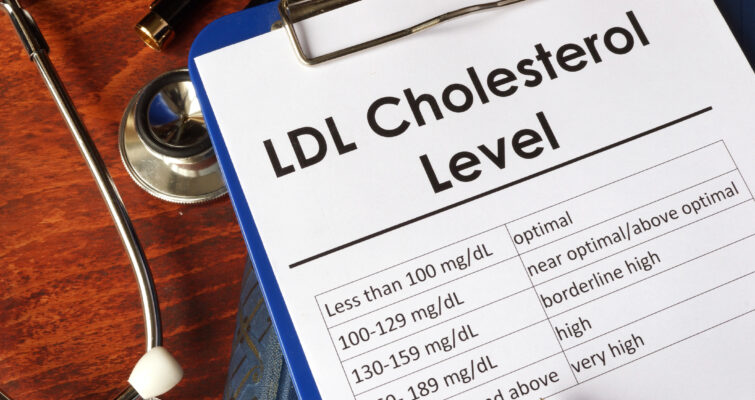
For decades, LDL cholesterol has been vilified as the primary villain in heart disease. Walk into any doctor’s office, and you’ll likely leave with a target number to hit—usually under 100 mg/dL for most people, or even lower if you’re at high risk. But what if this singular focus on LDL levels is giving us an incomplete picture of cardiovascular health?
Recent research suggests that cholesterol management is far more nuanced than simply driving down LDL numbers. While elevated LDL remains an important risk factor, it’s just one piece of a much larger puzzle. Understanding the full scope of cardiovascular risk requires looking beyond traditional lipid panels to consider factors like particle size, inflammation, metabolic health, and lifestyle patterns.
This shift in thinking doesn’t mean LDL cholesterol is irrelevant, but it does highlight the need for a more comprehensive approach to heart health assessment and management.
The LDL Story: What We Know and What We’re Missing
Low-density lipoprotein cholesterol has earned its reputation as “bad cholesterol” for good reason. LDL particles transport cholesterol from the liver to tissues throughout the body. When levels become elevated, these particles can penetrate artery walls, triggering an inflammatory response that contributes to atherosclerotic plaque formation (1).
However, standard cholesterol tests measure only the total amount of cholesterol carried by LDL particles—not the number of particles themselves or their characteristics. Two people with identical LDL cholesterol levels might have vastly different cardiovascular risk profiles based on factors the basic lipid panel can’t reveal.
Consider particle density and size. Small, dense LDL particles are more likely to penetrate artery walls and cause damage compared to larger, fluffier particles (2). Someone with predominantly small, dense particles might face higher cardiovascular risk even with “normal” LDL levels, while another person with larger particles might have lower risk despite higher LDL cholesterol concentrations.
Read: Reduce Your Risk of Heart Disease with Integrative Medicine
Advanced Lipid Testing: A Deeper Dive
Advanced lipid testing provides insights that traditional panels miss entirely. These sophisticated tests can measure LDL particle number (LDL-P), which often correlates more strongly with cardiovascular events than LDL cholesterol concentration alone.
Apolipoprotein B (ApoB) represents another crucial marker. Since each LDL particle contains one ApoB protein, this measurement provides a direct count of atherogenic particles in the bloodstream. Research suggests ApoB may be a stronger predictor of heart disease risk than LDL cholesterol, particularly in people with diabetes or metabolic syndrome (3).
Lipoprotein(a), or Lp(a), adds another layer of complexity. This genetically determined particle combines LDL with an additional protein component, creating a particularly atherogenic (plaque formation) and thrombotic (blood clot formation) particle. Elevated Lp(a) levels significantly increase cardiovascular risk regardless of other cholesterol levels (4), yet standard lipid panels don’t measure this important marker.
Shop: ProOmega Cholesterol Support
The Inflammation Connection
Chronic inflammation plays a central role in cardiovascular disease development and progression. C-reactive protein (CRP), particularly high-sensitivity CRP (hs-CRP), provides insight into systemic inflammation levels that can contribute to atherosclerosis independently of cholesterol levels (5).
The landmark JUPITER trial demonstrated this principle dramatically. Participants with normal LDL levels but elevated CRP experienced significant cardiovascular risk reduction when treated with statins—not because their already-normal cholesterol improved, but because inflammation decreased (6).
Other inflammatory markers, including interleukin-6 and tumor necrosis factor-alpha, also contribute to cardiovascular risk (7). This inflammatory component helps explain why some people with excellent cholesterol profiles still experience heart attacks, while others with elevated cholesterol remain event-free for decades.
Related: Doctors Miss This When Discussing Statins
Metabolic Health: The Bigger Picture
Insulin resistance and metabolic dysfunction create a cascade of cardiovascular risk factors that extend far beyond cholesterol numbers. When insulin sensitivity declines, the body typically responds with a characteristic lipid pattern: elevated triglycerides, reduced HDL cholesterol, and a shift toward small, dense LDL particles (8).
This metabolic syndrome constellation often occurs even when total LDL cholesterol remains within normal ranges. The underlying insulin resistance promotes inflammation, endothelial dysfunction, and increased blood pressure—all independent cardiovascular risk factors (9).
Hemoglobin A1c provides insight into long-term glucose control, while fasting insulin levels can reveal insulin resistance before glucose levels become obviously abnormal. These metabolic markers often predict cardiovascular risk more accurately than cholesterol levels alone.
Lifestyle Factors That Matter More Than Numbers
Physical activity patterns profoundly influence cardiovascular risk through mechanisms that extend beyond their effects on cholesterol levels. Regular exercise improves insulin sensitivity, reduces inflammation, strengthens the heart muscle, and promotes circulation around blocked arteries.
Interestingly, exercise can sometimes increase LDL cholesterol levels while simultaneously reducing cardiovascular risk. This apparent paradox occurs because physical activity often shifts LDL particles toward larger, less atherogenic sizes while improving overall metabolic health (10).
Sleep quality and stress management also significantly impact cardiovascular risk. Chronic sleep deprivation and elevated stress hormones promote inflammation and insulin resistance, contributing to heart disease risk regardless of cholesterol status (11).
Dietary patterns matter tremendously, but not always in the ways traditional thinking suggests. Mediterranean-style eating patterns reduce cardiovascular events even when they don’t dramatically lower LDL cholesterol, likely due to their anti-inflammatory effects and improvements in endothelial function.
When LDL Numbers Can Be Misleading
Certain populations consistently demonstrate the limitations of LDL-focused thinking. People with diabetes often experience cardiovascular events despite well-controlled cholesterol levels (12), highlighting the importance of metabolic factors beyond lipids.
Elderly individuals present another complex scenario. While elevated cholesterol clearly increases risk in younger adults, the relationship becomes less clear with advancing age. Some studies suggest very low cholesterol levels in older adults might actually increase mortality risk from non-cardiovascular causes (13).
Athletes and very physically active individuals sometimes have elevated LDL levels that don’t translate to increased cardiovascular risk. Their active lifestyles promote favorable changes in particle size, inflammation levels, and overall cardiovascular fitness that outweigh the effects of higher cholesterol numbers.
Genetic Factors: The Wild Cards
Genetic variations significantly influence both cholesterol metabolism and cardiovascular risk in ways that standard testing can’t predict. Some people inherit genetic variants that make them hyperabsorbers of dietary cholesterol, leading to elevated levels despite healthy lifestyle choices (14).
Others have genetic variants that provide natural protection against cardiovascular disease, even with elevated cholesterol levels (15). These genetic factors help explain why cardiovascular risk prediction based solely on cholesterol levels often proves inaccurate.
Familial hypercholesterolemia represents an extreme example of genetic influence. People with this condition can have LDL levels exceeding 300 mg/dL from birth, requiring management regardless of other risk factors.
Practical Implications for Heart Health
This broader understanding of cardiovascular risk suggests a more personalized approach to heart health management. Rather than focusing exclusively on achieving specific LDL targets, comprehensive cardiovascular risk assessment should include:
- Advanced lipid testing
- Inflammatory markers
- Metabolic health indicators
- Lifestyle factors
For many people, this means prioritizing lifestyle interventions that address multiple risk factors at the same time, like:
- Regular physical activity
- Stress management
- Adequate sleep
- Anti-inflammatory eating patterns
The above can improve cardiovascular risk profiles even when cholesterol levels remain elevated.
When medications are necessary, the choice and intensity of treatment should reflect individual risk profiles rather than cholesterol numbers alone. Some people with modestly elevated LDL but multiple other risk factors might benefit from aggressive treatment, while others with high LDL but otherwise excellent risk profiles might do well with lifestyle interventions alone.
The Future of Cardiovascular Risk Assessment
Emerging technologies promise even more sophisticated approaches to cardiovascular risk prediction. Coronary calcium scoring provides direct visualization of atherosclerotic plaque burden, offering insights that blood tests alone cannot provide.
Genetic testing is becoming increasingly sophisticated, potentially allowing personalized risk prediction and treatment selection based on individual genetic profiles. Artificial intelligence applications are beginning to integrate multiple risk factors in ways that might improve prediction accuracy beyond current models.
Advanced imaging techniques, including coronary CT angiography and carotid ultrasound, can detect early atherosclerotic changes before symptoms develop, potentially allowing earlier intervention in high-risk individuals.
Moving Forward with Balanced Cholesterol
The evolution in cardiovascular risk understanding doesn’t diminish the importance of cholesterol management—it enhances it by providing context and nuance. LDL cholesterol remains an important modifiable risk factor, particularly when significantly elevated or when multiple risk factors are present.
This means moving beyond the simple question of “What’s my cholesterol?” toward more meaningful discussions about overall cardiovascular risk and the most effective interventions for each individual’s unique situation.
Schedule a free, 15-minute consultation now>>Optimal cardiovascular health requires attention to the full spectrum of risk factors. This includes maintaining healthy lifestyle patterns, managing metabolic health, controlling inflammation, and addressing individual risk factors based on comprehensive assessment rather than single numbers.