

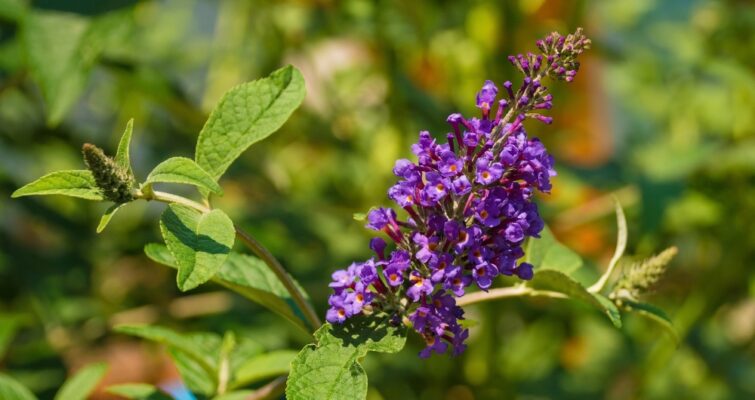
What does chasteberry do to hormones? A lot more than most people realize. This ancient herbal remedy (also known as Vitex) has been used for centuries to support hormone balance, especially in women navigating PMS, irregular cycles, or fertility challenges. Its impact is subtle but powerful, influencing key hormonal rhythms that regulate your cycle, mood, and even skin.
Hormones are sensitive to everything—stress, sleep, inflammation, nutrition. Chasteberry offers a natural way to support balance without overriding your system. Whether your cycle feels unpredictable or you’re just craving more hormonal stability, this little berry might be exactly what your body’s been asking for.
What Is Chasteberry (Vitex Agnus-Castus)?
Chasteberry, also known by its botanical name Vitex Agnus-Castus, is a small, dark-purple fruit that grows on the chaste tree—native to the Mediterranean and parts of Asia. While it might look unassuming, this berry holds a long legacy in herbal medicine, especially when it comes to menstrual health, hormonal balance, and cycle regulation.
For centuries, it’s been used to support female reproductive health, earning a reputation as a gentle but powerful tool for hormone support. Today, it’s often referred to as a “natural hormone balancer” because of how it interacts with the body’s hormonal command center: the pituitary gland.
How Chasteberry Affects Hormones (Science-Backed)
Chasteberry works by gently influencing the hypothalamic-pituitary-gonadal (HPG) axis, which is the communication loop between your brain and reproductive system. This is where hormone signals are regulated, released, and fine-tuned, especially during your menstrual cycle.
Its main effect is thought to be on prolactin, a hormone that, when elevated, can disrupt ovulation and shorten the luteal phase (the second half of your cycle). By helping to reduce prolactin, chasteberry supports a more stable hormonal rhythm.
Supporting Progesterone, Naturally
One of the most celebrated benefits of chasteberry is its indirect support of progesterone production. It does this by stimulating the release of luteinizing hormone (LH), which is key for healthy ovulation. And healthy ovulation is what leads to adequate progesterone—a hormone that plays a huge role in PMS, mood, sleep, and fertility.
When progesterone is low or out of balance, symptoms like short cycles, spotting, irritability, or breast tenderness can show up. Supporting LH helps restore balance from the top down.
Helping with Estrogen-Progesterone Balance
Chasteberry may also be useful for those dealing with estrogen dominance or a relative progesterone deficiency, which is increasingly common in modern hormone landscapes. By supporting more efficient progesterone production and modulating prolactin, chasteberry helps create a more balanced hormonal environment across your whole cycle.
How to Know If Chasteberry Could Support Your Hormones
Chasteberry isn’t a one-size-fits-all herb, but for many women navigating subtle hormone shifts, it can be a deeply supportive addition to their routine. If your cycle has changed, your moods fluctuate more than usual, or your body feels different in ways that are hard to explain, this plant may be offering exactly what you need.
Cycle Irregularities & Luteal Phase Support
If your periods are inconsistent or your luteal phase (the second half of your cycle) seems shorter than usual, chasteberry may help. By supporting your body’s natural progesterone production and lowering excess prolactin, this herb can encourage more regular ovulation and help bring consistency to your monthly rhythm. Spotting before your period, frequent short cycles, or trouble conceiving may all point toward an under-supported luteal phase.
When PMS Hits Hard
If the week before your period feels like emotional whiplash—irritability, sadness, weepiness, or brain fog—your hormones may need extra support. Chasteberry helps promote steadier progesterone levels, which can lead to a more emotionally grounded premenstrual phase.
Here are some signs your body might be asking for that kind of support:
- Mood swings or irritability before your period
- Tender breasts, bloating, or water retention
- Headaches tied to hormonal fluctuations
- Feeling like a different person during your luteal phase
These are all gentle signals that your body may benefit from more cyclical stability.
Mild Hormonal Imbalance, No Diagnosis Needed
You don’t need a full diagnosis to know something’s off. Many women feel the shifts before they ever show up on labs. Breakouts around the jawline, restless sleep mid-cycle, or a drop in libido are often early signs that hormones are asking for attention. Chasteberry supports the communication between your pituitary gland and ovaries, making it easier for your body to find its way back to harmony without forcing it.
A Few Things to Keep in Mind
Chasteberry isn’t recommended during pregnancy, and anyone with a hormone-sensitive condition or complex cycle issues should talk with their provider first. It also works best when used consistently across a few full cycles; this gives your body the space and time to recalibrate naturally.
Tracking your cycle using a menstrual app can help you spot subtle shifts over time. Whether you’re supporting your mood, fertility, or simply trying to feel more like yourself throughout the month, chasteberry may be the nudge your system’s been waiting for.
How Long Does It Take for Chasteberry to Work?
If you’re adding chasteberry to your wellness routine, the timeline will usually reflect the natural rhythm of your menstrual system.
Most women begin noticing changes in 8 to 12 weeks, depending on their baseline hormone balance, consistency with use, and what their body is navigating underneath the surface.
Why Chasteberry Works Gradually
This herb supports hormonal pathways by reducing prolactin, encouraging progesterone production, and nudging luteinizing hormone into action. These are layered, complex changes that unfold with time and with the flow of your menstrual cycle. Because of that, chasteberry often feels subtle at first. You may start to notice that your PMS feels lighter, your cycle feels more predictable, or your moods feel more balanced over time.
Daily Use Matters
One of the most important things when using chasteberry is consistency. Herbs work best when they become part of your daily rhythm, just like brushing your teeth or drinking water in the morning. Missing doses or stopping too soon can interrupt the recalibration process and make it harder to track progress.
Here are a few tips to get the most out of your chasteberry routine:
- Take it at the same time each day
- Choose a high-quality supplement without unnecessary fillers
- Track your cycle in an app or journal to spot shifts and patterns
- Stick with it for at least three full cycles before evaluating results
Support Your Body While You Wait
While chasteberry does its work behind the scenes, you can support your hormones in other simple, impactful ways. Your body responds best when it feels safe and resourced, so sleep, nourishment, and stress reduction matter deeply. Even small shifts in lifestyle can work synergistically with chasteberry to amplify your results.
Things like eating enough protein, balancing blood sugar, managing stress (even 10 minutes of breathing counts), and supporting gut health can all enhance the way your body responds to herbs.
Chasteberry Works Best When It’s High Quality—Here’s How to Find It
Chasteberry is a powerful botanical but only when it’s prepared correctly and in the right dose. That’s where quality matters more than most people realize. The herb itself holds active compounds that influence hormonal balance, and unless your supplement is standardized to include those compounds, it may not give your body the support you’re hoping for.
What to Look for in a Quality Formula
When comparing chasteberry options, a few small details make all the difference. Look for a formula that’s clear about its sourcing, potency, and purity. Vague labels and overly generic blends don’t offer the same targeted benefits.
A high-quality chasteberry supplement should include:
- A standardized extract with at least 0.5% agnuside (the active compound)
- Transparent labeling with dosage per capsule
- Third-party testing for purity and consistency
- Minimal fillers or unnecessary additives
- Clinical formulation or professional-grade sourcing
Why We Recommend This Formula (And Use It Ourselves)
There are many options out there, but one we keep coming back to—and confidently recommend—is the Vitex Extract by Integrative Therapeutics. It checks every box for quality and effectiveness, especially if you’re using chasteberry to support mood, cycle regularity, or mild hormonal symptoms.
Here’s why it’s our go-to:
- Contains 0.5% standardized agnuside per capsule
- Designed specifically to support women with premenstrual symptoms and hormonal fluctuations
- Combines chasteberry extract with naturally occurring phytoestrogens for layered hormonal support
- Trusted by health professionals for its gentle, reliable results
This formula gives your body what it needs in a consistent, bioavailable way and it’s easy to integrate into your daily routine. Whether you’re tracking cycle shifts, navigating PMS, or just looking for something that helps you feel more like yourself each month, this supplement is a smart place to start. Interested? Shop Integrative Therapeutics Vitex Extract here.
Research‑Backed Benefits of Chasteberry for Hormonal Health
When considering a herbal support like chasteberry, it matters how much real research backs its use. Thankfully, several studies show meaningful benefits when it comes to hormonal health—especially in the areas of PMS, prolactin balance, luteal‑phase support, and menstrual regulation.
Strongest Evidence: PMS, Prolactin & Cycle Stability
The clearest body of research surrounds chasteberry’s effects for premenstrual syndrome (PMS) and related hormonal imbalances. For example:
- A meta‑analysis found women taking chasteberry were approximately 2.57 times more likely to experience reductions in PMS symptoms compared with placebo.
- Trials showed reductions in prolactin levels, improvements in luteal phase length, and enhanced progesterone levels in women using chasteberry extract
- In one study, over 90 % of participants reported fewer PMS symptoms after three menstrual cycles of chasteberry use.
Beyond PMS and cycle support, chasteberry is being explored for other hormone‑related shifts like mild hyperprolactinaemia and even menopausal symptom relief. For instance, one study described chasteberry extract as “a potentially useful and safe phytotherapeutic option” for selected women with mild elevated prolactin.
The hol+ Way to Hormonal Balance
Hormones affect everything, from your energy and sleep to your skin, mood, and metabolism. When they’re out of balance, your whole system can feel off in ways that don’t always show up on standard tests. At hol+, our functional medicine approach looks at the full picture—not just hormone levels, but also why they’re out of sync.
Through advanced testing, targeted support, and whole-person care, we help guide your system back to balance in a way that lasts.
The Real-Life Factors That Shift Your Hormones
Hormones don’t exist in a vacuum—they’re deeply influenced by the way you live, eat, feel, and rest. That’s why we always explore what’s going on in your day-to-day life when creating a hormone support plan.
Some of the biggest factors that influence hormonal balance include:
- Chronic stress and cortisol dysregulation
- Toxin exposure from food, air, or personal care products
- Blood sugar instability from ultra-processed meals or skipped meals
- Poor gut health, which can affect hormone detox and absorption
- Irregular sleep or circadian disruption
By identifying what’s most relevant to your body, we can create a plan that fits your life and supports your hormones.
Testing, Personalization, and the Right Support
Our team uses in-depth lab testing to get clear on your hormone picture. We may recommend saliva, urine, or blood testing depending on your symptoms and history. These tests help us see patterns in:
- Estrogen and progesterone
- Cortisol (your main stress hormone)
- DHEA, testosterone, and other androgens
- Thyroid function and nutrient status
Once we understand your baseline, we design a personalized protocol that can include:
- Nutrition strategies to stabilize blood sugar and support hormone detox
- Herbal formulas or supplements like chasteberry when indicated
- Lifestyle coaching to improve sleep, movement, and stress patterns
- Gut-healing tools to improve estrogen clearance and inflammation
- Gentle detox support when needed
Long-Term Balance Comes from Within
True hormonal balance comes from creating a solid foundation your body can rely on. Our work goes beyond cycles and lab values. We help you rebuild trust with your body, learn how to read its cues, and support it through each phase of life—whether you’re navigating PMS, postpartum shifts, perimenopause, or anything in between.
Functional medicine honors the complexity of your hormones while making the path forward feel clear and doable. At hol+, we’re here to guide you gently back to balance. Always with care. Always with you at the center.
Next Steps for Your Hormonal Health
From supporting progesterone to calming prolactin, chasteberry is all about helping your system find its natural flow again. And when paired with the right guidance, that support becomes truly transformational.
At hol+, we’re here to listen to your full story and co-create a plan that reflects your unique needs. Book a consultation here and let’s start your path toward real balance.
FAQs
How long should I take chasteberry before expecting results?
Chasteberry tends to work gradually. Most people notice changes after 8 to 12 weeks of consistent daily use, especially when taking it around the same time each day. It works best over a few cycles, since it’s supporting hormonal communication over time, not forcing quick shifts. Keeping track of your cycle symptoms in a journal or app can help you spot subtle changes as they build.
What does chasteberry do to hormones?
Chasteberry (Vitex Agnus-Castus) supports hormonal balance by gently influencing the hypothalamic-pituitary-gonadal axis. It’s most known for lowering prolactin levels and indirectly helping your body produce more progesterone. This can lead to a more stable luteal phase, lighter PMS, and more regular cycles for some. It’s especially helpful when your cycle feels off but your labs still fall in the “normal” range.
Is chasteberry safe to take with other supplements or medications?
It depends on what you’re taking and why. Chasteberry is generally well-tolerated, but because it influences hormone signaling, it can interact with hormonal medications like birth control or fertility treatments. If you’re taking other hormone-regulating supplements or prescriptions, it’s a good idea to check with a practitioner who understands both herbal and conventional approaches.
What kind of hormone testing do you offer at hol+?
We use a variety of functional lab options depending on your symptoms and goals. That can include bloodwork, salivary cortisol panels, urine hormone mapping (like DUTCH testing), and thyroid or nutrient testing. These give us a full picture of what your hormones are doing and help us build a personalized plan that actually addresses what your body needs.
Can I get herbal recommendations through hol+?
Absolutely. We specialize in integrative, evidence-based herbal support. Once we’ve reviewed your labs and symptoms, we’ll create a personalized protocol that may include chasteberry, adaptogens, liver support herbs, or digestive formulas—whatever aligns best with your hormonal goals. We also offer access to professional-grade supplements through our online shop.