

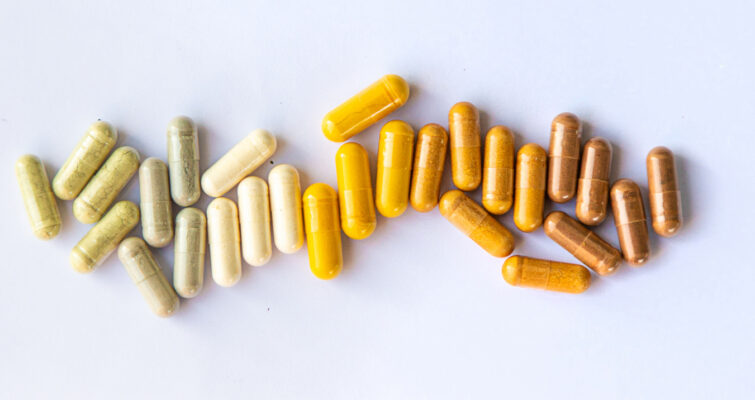
When it comes to restoring energy, mood, and sleep, the right supplements for HPA axis dysfunction can make a noticeable difference. This stress-regulating system (the hypothalamic-pituitary-adrenal axis) helps the body respond to daily demands. When it becomes dysregulated, it can leave you feeling wired, tired, anxious, and foggy. Certain adaptogens and nutrients are uniquely suited to support and re-balance this system when it’s under pressure.
At hol+, we understand how the HPA axis influences everything from hormone health to immune resilience. Our integrative approach combines advanced testing with therapeutic supplements like adaptogens and phospholipids that nourish the stress response without overstimulation. Whether you’re in the midst of burnout or recovering from chronic fatigue, there are science-backed options that can help restore your rhythm.
How the HPA Axis Guides Your Stress Response
There’s a whole system quietly managing how you respond to stress, and it works hard to keep everything from your energy levels to your hormones in sync. It’s called the HPA axis (short for hypothalamic-pituitary-adrenal axis) and it plays a major role in how you feel, think, sleep, and bounce back.
The HPA axis links parts of the brain with your adrenal glands and helps regulate the release of cortisol, DHEA, and other key hormones. When it runs smoothly, it helps you stay alert during the day, fall asleep at night, and keep your hormones steady. But when stress sticks around for too long, the HPA axis starts to lose its rhythm. That’s when symptoms start to pile up: fatigue, brain fog, mood swings, hormone imbalances, sleep problems, and a lowered immune response. Over time, this can feed into burnout and make it harder to feel like yourself.
The Brain-Adrenal Connection
At the center of your stress response is a loop between the brain and adrenal glands. Three main players are involved: the hypothalamus, the pituitary gland, and the adrenals. Together, they form a communication line that helps your body react to stress in real time and recover when the stressor passes.
Here’s how it works: the hypothalamus gets the first signal when something stressful happens. It cues the pituitary, which then tells the adrenal glands to release hormones (especially cortisol) to help the body respond. This whole loop is meant to be temporary. Once the stress is gone, hormone levels should return to baseline. But with constant stress, the system gets overwhelmed and doesn’t reset properly.
Cortisol, DHEA, and Hormonal Rhythm
Cortisol gets most of the attention in the stress conversation, but it works in balance with other hormones – especially DHEA, a hormone that supports mood, metabolism, and resilience. When the HPA axis is working well, cortisol rises in the morning to help you wake up and tapers off at night so you can sleep.
With chronic stress, that rhythm flattens out. Cortisol might stay high when it should be low, or crash early in the day, leaving you dragging through the afternoon. DHEA can drop, which affects hormone balance, energy, and brain clarity. Over time, this leads to imbalances that feel like PMS, thyroid issues, libido dips, and emotional ups and downs.
Recognizing the Symptoms of an Overworked HPA Axis
It helps to notice early signs. These symptoms often show up in clusters, and you might recognize a few in your own routine.
Common daily patterns include:
- Morning fatigue and a wired feeling at night
- Anxiety, irritability, or trouble concentrating
- Midday crashes that make it harder to stay productive
- Cravings for salt or sugar
When the HPA axis stays under strain, your immune system can feel it and you may notice slower recovery from colds or minor infections.
Hormonal and sleep-related changes may include:
- Difficulty falling or staying asleep
- Cyclical shifts in mood and energy around periods or perimenopause
- Gradual shifts in hormones during andropause
- A general sense of imbalance that affects motivation and stamina
If any of these patterns feel familiar, it often means your stress response system is doing its best with limited reserves.
Balancing Stress Naturally: The Adaptogen Approach
Adaptogens are especially helpful when the HPA axis has lost its rhythm. They support hormone balance by helping normalize cortisol output and steady the body’s reaction to stressors. Over time, this helps build a more resilient stress response. People often notice more balanced energy, a lift in mood, steadier focus, and improved recovery from both physical and emotional strain.
The Power of Adaptogens on Mood, Energy, and Hormones
When the stress system is overworked, it’s common to feel scattered or flat – wired one minute, drained the next. Adaptogens ease that swing. They support more even energy throughout the day without the spike-and-crash effect that comes from caffeine or sugar. Many adaptogens also calm the nervous system, which helps ease anxious thoughts and improve sleep patterns.
On a hormonal level, they influence the body’s own feedback loops. That means better support for reproductive hormones, thyroid function, and adrenal output. It’s a gentle recalibration that helps you return to a more functional baseline where your body can self-regulate again.
Meet the Adaptogens That Support the HPA Axis
Every adaptogen has its own personality. Some bring a sense of calm and groundedness, while others help restore energy and focus when you feel depleted.
Rhodiola is a go-to when stress hits your concentration and stamina. It supports cognitive function and helps your brain stay sharp even during mental fatigue. Many people feel more present and less overwhelmed during pressure-heavy days with rhodiola in the mix.
Ashwagandha works on the deeper layers of adrenal support. It helps regulate cortisol and has a calming effect that can ease anxious tension. It’s especially useful for people who feel wired but tired, or who wake up feeling unrested. It also supports better sleep and hormone regulation over time.
Holy Basil brings a steady, uplifting tone. It has gentle anti-inflammatory properties and works well for emotional stress. If your stress feels tied to irritability or mood swings, holy basil can help smooth things out.
Eleuthero, also known as Siberian ginseng, helps build stamina and support immune function. It’s a favorite for those who feel run down or prone to getting sick under stress. It’s known for improving endurance and general physical resilience.
Maca supports hormone balance with a focus on energy and libido. It’s often used in perimenopause or other hormonal transitions to bring more vitality and steadiness to the body’s rhythms.
Integrative Therapeutics’ HPA Adapt: A Smart Adaptogen Blend That Covers the Bases
Adaptogens often work best together. Each plant has its own focus, and blending them allows for a more balanced effect. That’s where Integrative Therapeutics’ HPA Adapt stands out. This formula brings together rhodiola, Sensoril® ashwagandha, eleuthero, maca, and holy basil into one comprehensive blend. It’s designed to support both the mental and physical sides of stress without overstimulating the system. That means you can feel steadier, more clear-headed, and better equipped to handle life’s curveballs.
Interested? Shop it here if you’re looking for a well-rounded starting point to support your stress system.
Lifestyle Habits That Heal the HPA Axis
The way we sleep, eat, move, and rest teaches the HPA axis what to expect. It responds to rhythm, consistency, and signals of safety. That’s why daily habits matter so much in the recovery process. You don’t need extreme routines or huge life overhauls, just patterns that support regulation and predictability.
When your nervous system feels more settled, hormones stabilize and energy has a better chance to return. The HPA axis needs structure, not pressure. These habits help bring back the rhythm it thrives on.
Support Your Sleep-Wake Rhythm
Sleep resets the HPA axis. When you wake up and go to bed at roughly the same time each day, it helps rebuild the natural cortisol curve. That early rise in cortisol is what helps you feel alert in the morning, and a slow taper at night is what prepares your body for rest.
Blue light from screens delays that curve. It keeps your brain active when it should be winding down. Try dimming lights and cutting screen time at least an hour before bed. Your nervous system will pick up on that cue, and sleep tends to come more naturally when the signals are consistent.
Keep Blood Sugar Steady
Skipping meals or living on quick carbs trains your HPA axis to stay on high alert. Blood sugar dips are perceived as stress, and that can kick cortisol into overdrive. One of the most helpful ways to support your stress response is to eat in a way that keeps blood sugar stable.
Start with a real breakfast – something with protein and healthy fats. Carry that rhythm through the day with regular meals. Think of it as a steady signal to your body that fuel is available and it’s safe to shift out of survival mode.
Move Your Body Without Overdoing It
The HPA axis thrives on movement, but the kind matters. Long cardio sessions or intense workouts can sometimes feel like stress to an already overworked system. Gentle movement supports circulation, mood, and metabolic function without overstimulation.
Walking, yoga, and low-impact strength training are great choices. They give you the benefits of exercise while keeping your stress response in a more balanced zone. The key is consistency and choosing movement that helps your body feel more energized, not drained.
Give Your Nervous System Space to Breathe
When stress is chronic, the sympathetic nervous system tends to stay switched on. This is the part of your system that’s built for alertness and action, but it’s meant to alternate with a slower, more restorative state. Practices like breathwork, meditation, or prayer can help tip that balance.
Protect Your Energy With Digital Boundaries
Constant alerts, endless scroll, and digital multitasking wear down the HPA axis in subtle ways. Screens extend our mental load and make it harder for the brain to shift into recovery mode. Giving yourself permission to unplug is one of the most underrated forms of stress recovery.
Try creating small windows in your day where your phone is off or in another room. Schedule short breaks where you’re not consuming anything – no texts, no to-do list, just a digital reset. These pauses help clear space for your brain to rest, which directly supports the HPA axis as it regains balance.
The Role of Phospholipids in Stress Recovery and Brain Health
Some of the most powerful tools for stress recovery work at the cellular level, and phospholipids are a prime example. These specialized fats form the structure of every cell membrane in your body and play a key role in how your cells communicate, adapt, and bounce back after stress. When cortisol stays elevated for too long or inflammation sets in, those membranes take a hit, which is where phospholipids step in to help repair and reset.
The most studied phospholipids for HPA axis support are phosphatidylserine and phosphatidylcholine. These are essential building blocks for brain health, hormone regulation, and emotional balance. If you’re dealing with brain fog, mood dips, or that wired-but-exhausted feeling, you might be missing this layer of support.
How Phospholipids Support Cortisol and Calm
Phospholipids help regulate how your body produces and clears cortisol. They’ve been shown to reduce elevated cortisol, especially during the evening hours when the body should be winding down. That makes them a valuable option for people who feel overstimulated at night or struggle with sleep even after a long day.
They also support neurotransmitter function and help the brain recover from stress-related fatigue. Over time, they encourage a more stable mood, sharper focus, and a calmer nervous system response to day-to-day challenges.
Benefits That Work Across Brain and Body
There’s a reason phospholipids are gaining more attention in functional medicine circles – they cover a lot of ground. Here are just a few of the ways they support your health:
- Help regulate cortisol rhythm, especially evening spikes
- Repair and stabilize cell membranes damaged by stress and inflammation
- Enhance cognitive performance, memory, and focus
- Promote better emotional resilience and mental clarity
- Work synergistically with adaptogens and omega-3s for whole-system support
This kind of behind-the-scenes support helps your stress system recover faster and more fully, without overstimulating it.
A Smart Layer to Add to Your Stress Support Stack
Phospholipids pair well with other supportive tools like adaptogens and omega-3s. Together, they reinforce the body’s ability to stay grounded and steady through stress, mentally and physically. When someone is dealing with long-term fatigue, brain fog, or poor stress recovery, adding in phosphatidylserine or phosphatidylcholine can help shift the needle.
Want to learn more? Schedule a FREE 15 minute consultation
Schedule Your Consultation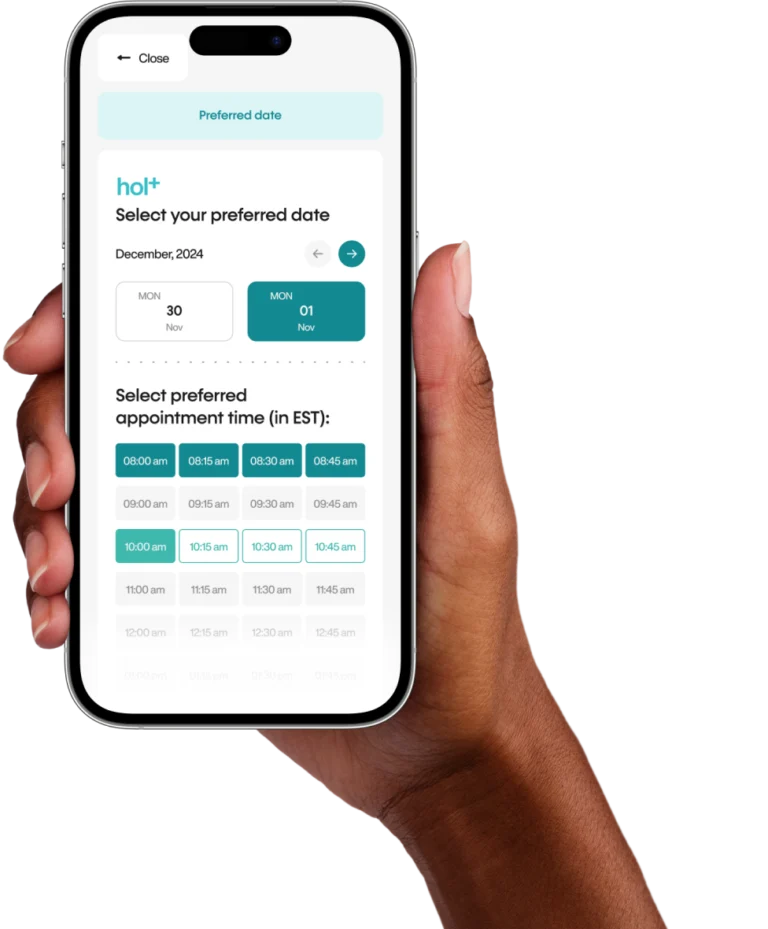
How hol+ Helps You Heal from Chronic Stress
When someone walks through our doors feeling tired, anxious, foggy, or overwhelmed, we don’t rush to cover up the symptoms. We listen, we test, and we look closely at what your body is trying to tell us. Chronic stress and burnout are never just in your head, they’re often tied to deeper patterns in the nervous system, hormones, and metabolism.
At hol+, we take a root-cause, functional medicine approach to healing the HPA axis. We test, track, and tailor care around your unique physiology. Our team looks at your full picture: stress response, hormone function, micronutrient levels, sleep rhythms, cognitive resilience, and more. The goal is steady, lasting repair from the inside out.
Testing That Shows Us the Full Story
We start by mapping your internal landscape. Stress shows up in patterns, and we use diagnostic testing to get a detailed look at where those patterns are showing up in your body.
- Comprehensive hormone panels, including cortisol curve, DHEA, thyroid, estrogen, and testosterone
- Advanced micronutrient and adrenal testing to assess deeper depletion
- Brain health markers for cognitive resilience and mental clarity
This level of insight helps us design care that’s accurate, personalized, and responsive to what your system truly needs.
Targeted Tools to Rebuild the Stress System
Once we understand how your HPA axis is functioning, we create a plan that helps your body reset without overwhelming. That includes support across multiple layers: nutritional, neurological, and hormonal.
Adaptogens and supplement protocols are selected specifically for your needs. We often include HPA Adapt for its well-balanced blend of plant-based support. Our health coaching team helps you align your habits with your recovery: food, movement, and rest are all part of the plan. When your body needs a stronger push, we have advanced therapies available, like IV nutrient support, peptides, and targeted brain care.
We Keep Tracking, So You Keep Moving Forward
Healing doesn’t happen in one step. It’s a process that unfolds with the right support, clear insight, and ongoing refinement. That’s why we reassess regularly—checking in with your labs, your symptoms, and how you’re actually feeling day-to-day.
Whether you’re coming in with deep fatigue or just that stuck-on feeling that doesn’t lift, we’re here to help you reconnect with energy, mental clarity, and a steadier rhythm. At hol+, we build real recovery with you, one layer at a time.
The Support Your Stress System Has Been Missing
Supplements for HPA axis dysfunction can make a big difference, especially when they’re part of a full-body plan that supports real recovery. Adaptogens, phospholipids, and nutrient support play key roles, but so do the lifestyle shifts, personalized testing, and expert care that address the deeper imbalances behind stress, fatigue, and hormone disruption.
If you’re ready to stop guessing and start understanding what your body actually needs, our team at hol+ is here for you. Book a consultation and let’s map out a plan that’s tailored, clear, and built to help you feel more like yourself again – with energy you can count on.
FAQs
How do I know if my HPA axis is out of balance?
If you feel constantly drained, wired at night, foggy, or have unpredictable moods or sleep, your stress system could be out of sync. Other signs include sugar cravings, PMS changes, and getting sick more often. Testing your cortisol curve and related hormones is the clearest way to know, but your symptoms are often your first clue.
What are the best supplements for HPA axis dysfunction?
The most effective support usually includes adaptogens like rhodiola or ashwagandha, along with nutrients that help regulate stress hormones. Phospholipids and B vitamins can also play a big role. It’s important to choose products that fit your specific needs, as some supplements can overstimulate if your system’s already depleted. A tailored plan makes a big difference.
Can I recover from HPA axis dysfunction without quitting my job or changing everything?
Yes. Big life changes help, but smaller, consistent shifts matter more. Regulating your sleep, eating in a way that keeps blood sugar stable, building in short movement, and using the right support tools can go a long way. You don’t have to uproot your life, you just need a recovery rhythm that fits into it.
Does hol+ offer hormone and adrenal testing in-house?
Yes, we offer advanced hormone testing including full cortisol curve, DHEA, thyroid, and reproductive hormones. We also look at nutrient depletion, adrenal function, and inflammation markers to get a full view of what’s affecting your stress system. It’s all part of building a care plan that actually works for your body.
Can I work with hol+ virtually?
Absolutely. Many of our clients start with a virtual consultation, especially if they’re out of town. We offer remote testing kits and work with you to design a plan that fits your lifestyle, even from a distance. You’ll get the same level of care and guidance as someone walking into our center.