


How long does it take to heal adrenal fatigue? The answer isn’t one-size-fits-all, because recovery depends on how long your system has been under stress, what’s driving the imbalance, and how well your body responds to support. What’s consistent, though, is that real healing takes time, and it happens in layers.
At hol+, we work with people every day who are navigating this process. Some arrive deep in burnout, while others are just starting to notice their energy slipping. We help you understand what stage your body is in, and then create a plan to rebuild from the ground up. When the right pieces come together, recovery becomes less overwhelming – and a lot more possible.
What Actually Affects Your Adrenal Recovery Timeline
Healing from adrenal fatigue doesn’t move in straight lines or fixed timelines. Your body’s stress system (the HPA axis) doesn’t wear down in one moment, and it doesn’t bounce back with one solution. The symptoms you’re feeling now are shaped by how long your body’s been in overdrive, how well it’s been supported, and how deeply the imbalance has taken root.
When we talk about adrenal fatigue through a functional lens, we’re looking at HPA axis dysregulation. This means your brain and adrenal glands aren’t communicating properly, often due to prolonged physical, mental, or emotional stress. That miscommunication throws off everything from cortisol output to hormone balance, sleep, mood, and inflammation, and all of that affects how long recovery takes.
What Can Slow or Speed Up Recovery?
The pace of healing depends on several personal, physiological, and lifestyle factors. These influence how quickly your body can recalibrate, respond to treatment, and return to baseline function.
- Severity of HPA axis dysfunction (early signs vs. full burnout)
- How long your body has been under chronic stress
- Nutritional status, including deficiencies in B vitamins, magnesium, or omega-3s
- Presence of unresolved infections, chronic illness, or a history of trauma
- Genetic factors, metabolic resilience, and stress tolerance
- Commitment to rest, consistency, and following a clear treatment plan
Even when two people have similar symptoms, their path forward can look very different.
The Body Recovers in Layers
Many people expect to feel better the moment they start supplements or make lifestyle changes. While those steps matter, the body works through healing in phases. First it stabilizes, then it replenishes, and only after that does it begin to rebuild. Each phase requires time, patience, and enough support to stick with it.
What matters most is creating an environment where your body feels safe to shift out of survival mode. That means regulating sleep, stabilizing blood sugar, reducing inflammation, and calming the nervous system. When those pieces begin to fall into place, the deeper healing starts, and that’s where lasting change happens.
Trust the Process – Even When It’s Slow
If your symptoms have lingered or returned after progress, it doesn’t mean you’re failing. It usually means your system is still recalibrating. Most people improve in waves – some quick, some slower. The important part is that your path is your own, and it deserves care that meets you where you are.
Your body isn’t stuck. It’s adapting to everything it’s been through. With the right information, steady support, and realistic expectations, recovery becomes a process you can actually work with.
The Four Stages of Adrenal Fatigue
Recovery from adrenal fatigue doesn’t look the same for everyone, and that’s because the body doesn’t reach burnout overnight. There are patterns, stages, and phases that reflect how long your system has been under pressure—and how deeply that pressure has affected your hormone signaling, energy production, and resilience.
Recognizing the stage you’re in helps set expectations and clarify the kind of support your body needs most right now. From early warning signs to full-body depletion, each stage has its own pace, its own challenges, and its own recovery rhythm.
Stage 1: The Alarm Phase
This is the body’s immediate response to stress. You might feel wired, a bit overstimulated, and strangely productive, almost like stress is fueling you. This is often the phase where cortisol is elevated and your body is still compensating well. Sleep might feel lighter, cravings might sneak in, and your patience may wear thinner, but energy still feels somewhat intact.
This phase tends to resolve quickly if the stress is short-lived or if you take steps early to recover. A few weeks to a couple of months of support – through rest, nutrition, and scaled-back intensity – can help the HPA axis return to a steady rhythm before deeper disruption takes hold.
Stage 2: The Resistance Phase
In this phase, your system is still trying to keep up, but it’s starting to show wear. Energy may dip mid-morning or mid-afternoon, sleep becomes more disrupted, and irritability or mood swings start feeling more frequent. Cortisol output may fluctuate, spiking at odd times, staying elevated longer, or dipping too soon in the day.
Recovery in this stage usually takes several months and involves more structured support. Nutrition, sleep timing, adaptogens, and nervous system regulation all play a central role here. The goal is to interrupt the wear-and-tear cycle and help the HPA axis reset before full depletion sets in.
Stage 3: The Exhaustion Phase
At this point, your body has been compensating for too long. The system that once ran on stress hormones has begun to downregulate. You might feel persistently tired, emotionally flat, or foggy even after sleep. Waking up feels like a chore, energy crashes are intense, and motivation can feel hard to access. Hormonal imbalances are more pronounced, and immune resilience tends to drop.
Recovery from this phase takes time (often six months to a year or longer) because it requires deep hormonal recalibration and mitochondrial support. This is where targeted testing, comprehensive care, and consistent follow-through really matter.
Stage 4: Burnout and Systemic Imbalance
When HPA axis dysfunction goes unaddressed for too long, it starts pulling other systems down with it. Digestion becomes sluggish or unpredictable, hormone cycles go off track, anxiety becomes chronic, and fatigue moves into deeper physical depletion. The immune system may struggle to keep up, and symptoms become harder to separate from one another.
This stage often reflects a multi-system imbalance and usually takes one to two years of steady, layered recovery. The body needs space, time, and consistent nourishment – physically, emotionally, and neurologically. This is where a whole-body, functional approach is essential. Healing here is slower, but it’s absolutely possible with the right tools and support in place.
How Long Do Symptoms Last If Untreated?
Symptoms tied to HPA axis dysfunction don’t usually fade on their own. When stress goes unaddressed, your body does what it can to keep functioning, but over time, it starts borrowing from other systems. What starts as fatigue or sleep issues can gradually stretch into hormone imbalance, digestion trouble, mood changes, or increased sensitivity to everyday stressors.
How Symptoms Progress Over Time
When the root cause isn’t addressed, HPA axis dysfunction often follows a predictable path – quiet at first, then more disruptive over time. Your body keeps adapting until it can’t anymore, and the symptoms start multiplying.
- Mild dysfunction may linger for years, causing fatigue, cravings, sleep issues, or mood dips
- Long-term imbalance often leads to thyroid disruption and irregular hormone cycles
- Immune function becomes less reliable, increasing sensitivity to illness or inflammation
- Mood and metabolic changes begin to show up more clearly over time
Each layer of imbalance makes recovery more complex. That’s why early attention can change everything.
The Ripple Effects of Delayed Care
When cortisol stays dysregulated, it begins to impact how your brain processes information, how your gut absorbs nutrients, and how your immune system reacts to everything from allergens to viruses. Over time, this increases the risk of autoimmune conditions, chronic inflammation, blood sugar instability, and mood disorders like anxiety and depression.
Even if symptoms feel manageable now, unresolved stress patterns quietly create long-term shifts that are harder to reverse later. Supporting the HPA axis early helps protect the systems that depend on it, and brings back energy, focus, and stability before they become harder to reach.
Why Sooner Is Easier
Your body is wired for adaptation, but even that has limits. When you address HPA dysfunction early – before multiple systems are involved – healing tends to be faster, simpler, and more straightforward. You’re not just avoiding future issues. You’re giving your body the support it needs to rebound and reset, which is always easier when you’re ahead of the curve.
If you’ve been waiting for things to “settle down” before getting help, this might be the nudge to start now. The earlier you respond, the more resilient your recovery can be, and the sooner you can start feeling like yourself again.
Want to learn more? Schedule a FREE 15 minute consultation
Schedule Your Consultation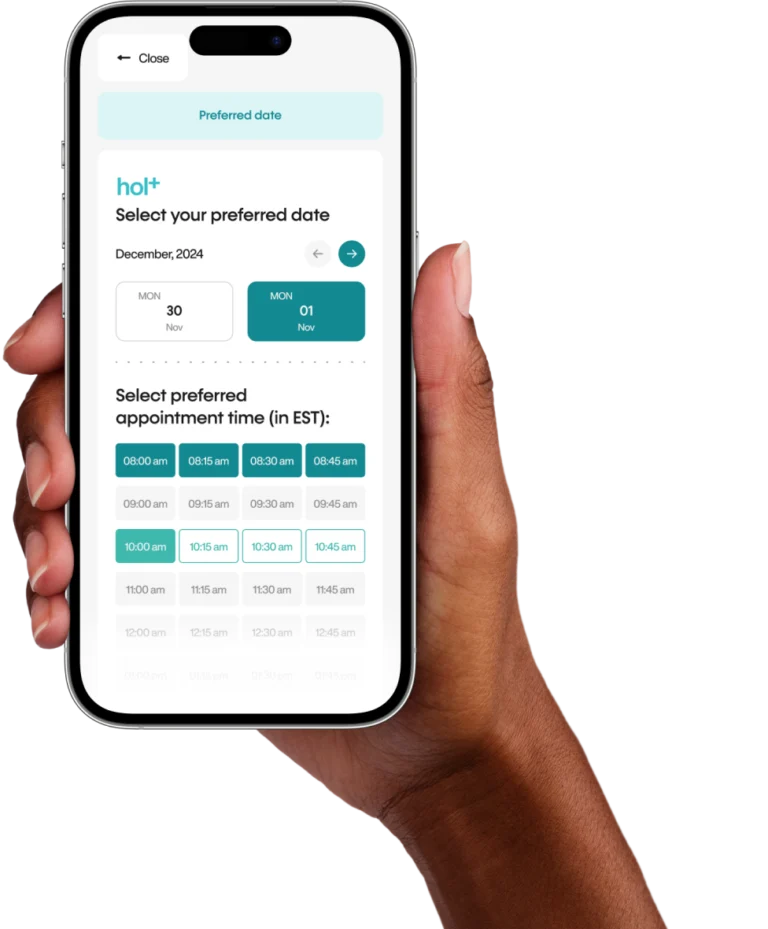
Key Nutrients and Herbs That Help the Body Reset
When your body’s stress response is off, targeted support can make a real difference. Diet, sleep, and movement all help reset the system, but certain nutrients and plant compounds can give your HPA axis the tools it’s missing. When supplements are used thoughtfully and consistently, they can help smooth the bumps in the recovery process and give you back some of the energy and mental clarity you’ve been missing.
These supplements can support the systems that have been depleted (like your adrenals, mitochondria, and nervous system) and help restore rhythm to hormone signaling and cortisol output. Whether you’re in the early stages or deep into fatigue, there’s a way to support the process with care that fits your physiology.
Adaptogens for Cortisol Regulation
Adaptogens are a group of herbs that help your body stay more resilient under stress. Ashwagandha is calming and steadying, especially helpful when anxiety and sleep issues are part of the picture. Rhodiola is more energizing, offering support for focus, stamina, and mental clarity. Holy basil has a grounding, mood-balancing effect and may help buffer inflammation that rises with chronic stress.
Each of these herbs works differently depending on what your body needs. In combination, they create a layered kind of support that can help smooth cortisol spikes and improve how your system adapts over time.
Phospholipids to Support a Weakened Stress Response
Phospholipids, like phosphatidylserine, help buffer the stress response by supporting healthy communication between brain and adrenal glands. When cortisol is elevated at the wrong times, especially at night, phosphatidylserine can help bring it down gently. It also supports focus and cognitive recovery, which tend to dip during burnout.
Because phospholipids are part of your cellular structure, they help with repair from the inside out. They’re particularly helpful when you feel overstimulated, foggy, or “tired but wired” at the end of the day.
Nutrients That Restore Adrenal Resilience
The adrenal glands rely on a few key nutrients to function properly. When stress is chronic, those nutrients deplete faster than they’re replaced. B vitamins (especially B5, B6, and B12), magnesium, and vitamin C are foundational for energy production, hormone balance, and a stable mood. These are often the first to be used up under stress and some of the most effective to replenish.
You can find these in food, but therapeutic levels are often needed during recovery. Taking them consistently helps restore your baseline energy and gives the adrenal glands what they need to regulate cortisol with more control.
A Balanced Starting Point for Daily Support
Integrative Therapeutics’ HPA Adapt is a blend of rhodiola, ashwagandha, holy basil, eleuthero, and maca – five adaptogens that work in harmony to support a more balanced cortisol rhythm. This formula is ideal for people dealing with long-term fatigue, emotional depletion, or disrupted sleep cycles.
Because it’s balanced, it won’t overstimulate or sedate. It offers gentle but noticeable support to help your body re-regulate its stress response with less strain. If you’re looking for a place to start or want to simplify your routine, this can be a solid daily foundation. Find it here.
The hol+ Integrative Approach to HPA Axis Recovery
At hol+, we care deeply about what chronic stress takes from your body and how to help you get it back. Whether you’re dealing with brain fog, low motivation, hormone shifts, or sleep that just won’t repair you, your stress system plays a major role. We don’t just look at symptoms. We look at what’s driving them and we use that insight to guide your recovery with precision, care, and a strategy that adapts as you do.
No two people experience adrenal dysfunction the same way. That’s why your care plan should reflect your actual biology, history, and daily life. We use a functional medicine foundation blended with nutrition, lifestyle coaching, and integrative therapies to support the full picture of healing. Because lasting change happens when your entire system is working together again.
Deeper Testing, Smarter Plans
We begin by understanding how your stress system is functioning across the day, and how it’s influencing the rest of your body. We use targeted diagnostics to get the full picture, then use that data to design your roadmap forward.
- DUTCH testing to track cortisol, DHEA, estrogen, progesterone, and melatonin
- Salivary cortisol curves to assess your rhythm in real time
- Nutrient testing and gut health assessments to identify hidden stressors
- Liver function testing to evaluate detox and hormone processing
This gives us the clarity to support your body where it’s struggling, with interventions that make a real difference.
Personalized Supplement Protocols That Evolve With You
Supplement routines at hol+ are built from your lab results and current stage of dysfunction. Whether your cortisol is flat, spiking, or dropping too fast, your protocol is designed to match your body’s needs. Adaptogens, phospholipids, B vitamins, and mitochondrial support are used intentionally – layered in and adjusted as your system begins to recalibrate.
Nutrition and Gut Health Are Part of the Plan
What and how you eat directly impacts how well your HPA axis can recover. Our nutrition team supports you with guidance that goes beyond calories or macros. We help you create blood sugar stability, support adrenal repair through food, and strengthen your gut so that nutrient absorption and immune function aren’t holding you back.
Therapies That Support Your Whole System
When needed, we integrate acupuncture, energy medicine, and IV nutrient therapy to support your nervous system, improve recovery, and enhance nutrient delivery. These tools will help your body return to balance faster by supporting healing from multiple angles.
This is especially helpful when fatigue is deep, anxiety is high, or recovery has stalled. Sometimes the body needs a little extra input to regain traction, and we’re here to provide it when it does.
Coaching and Real-Life Support Along the Way
Healing happens in the small daily decisions: how you sleep, how you eat, how you respond to stress. Our coaching team helps you turn guidance into habits. Whether it’s creating a calm nighttime routine, practicing breathwork, or learning to pace your energy throughout the week, we’re here with structure and encouragement that makes healing feel doable.
We stay with you through the full process, with check-ins, plan updates, and honest conversations about what’s working and what’s changing. Because this isn’t just about getting better. It’s about staying better – and living in a way that feels good again.
Whether your burnout is recent or you’ve been in it for years, we meet you where you are. We help you rebuild without pressure and move at a pace your body can truly handle. At hol+, recovery is personal, steady, and rooted in your body’s actual capacity to heal.
Clarity, Support, and a Way Forward
Your body is constantly adapting to keep up with stress – but that adaptation has a cost. The symptoms you’ve been carrying are often rooted in a dysregulated HPA axis, and when you understand how that system works, the path forward becomes clearer. Recovery should be about working with your biology to restore rhythm, energy, and focus.
At hol+, we’re here to help you make sense of your symptoms and build a personalized plan that supports real healing. If you’re ready to stop guessing and start feeling better, schedule a consultation with us.
FAQs
How long does it take to heal adrenal fatigue?
Healing timelines vary depending on how long symptoms have been present, how depleted your system is, and what support you’re getting. For some, early intervention brings relief in a few weeks. For deeper cases, it may take several months to a year. It’s a layered process, and consistency is key.
Can adrenal fatigue cause symptoms that change day to day?
Yes, definitely. Energy, mood, focus, and cravings can swing throughout the day, especially when cortisol levels are unstable. One day might feel manageable, while the next feels like hitting a wall. These ups and downs are part of the body’s attempt to self-regulate when the stress response is out of sync.
Do I need to quit my job or take a break to recover?
Not always. While rest is important, recovery is about creating stability and boundaries, not dropping everything. Small, consistent changes in sleep, nutrition, and stress regulation can make a big difference, especially when paired with targeted support. You can heal while staying engaged in your life, with the right tools and pacing.
What’s the difference between adrenal fatigue and burnout?
Burnout is often used to describe mental and emotional exhaustion, while adrenal fatigue points to a physiological imbalance in the stress system. They often overlap. Many people with burnout symptoms are also experiencing cortisol dysregulation, poor sleep, and hormonal shifts, all of which are tied to HPA axis function.
Will I get a customized supplement plan at hol+?
Yes. Every protocol is based on your lab results, symptoms, and where you are in the recovery process. We include adaptogens, nutrients, mitochondrial support, or phospholipids depending on your needs—and we adjust as your body starts responding.
Can I work with hol+ virtually?
Absolutely. We work with clients across the country and offer remote testing, video consultations, and virtual coaching. You’ll get the same level of care as someone walking into our office, with a plan that’s designed to fit your schedule and your lifestyle.
What happens if I ignore adrenal fatigue?
Over time, untreated HPA dysfunction can impact your hormones, immunity, and metabolism. Fatigue may deepen, mood changes can become more persistent, and other systems, like thyroid or gut function, may get pulled into the imbalance. Early care helps you avoid this progression and gives your body the support it’s asking for.