


Is pineapple good for IBS? It’s a question that comes up often, especially from those looking for natural ways to manage bloating, irregularity, or discomfort. Pineapple has a reputation for being both nourishing and potentially irritating—depending on the gut it’s landing in.
This tropical fruit brings with it bromelain, a digestive enzyme that may support smoother breakdown of proteins. If you’ve been eyeing pineapple as part of your gut-healing toolkit, it helps to know when it might be beneficial—and when it’s worth pausing. Let’s take a closer look.
A Closer Look at IBS and Your Gut
Irritable Bowel Syndrome (IBS) is a functional digestive disorder. That means it’s diagnosed by symptoms and patterns—not structural damage. It affects how your gut moves, feels, and reacts, often in waves.
IBS has a few common subtypes:
- IBS-C: Constipation-predominant
- IBS-D: Diarrhea-predominant
- IBS-M: Mixed (alternating between constipation and diarrhea)
The type you experience can influence how you respond to certain foods, supplements, and stressors.
Common Symptoms You Might Notice
While each person’s symptoms vary, there are some patterns we see often in people with IBS:
- Bloating, especially after meals
- Cramping or abdominal pain that shifts throughout the day
- Irregular bowel movements
- Feeling like a bowel movement isn’t fully complete
- Increased sensitivity to stress or food triggers
Symptoms can come and go. They may intensify during travel, hormonal shifts, or periods of emotional strain. Keeping a symptom journal can help you start to see patterns that guide your care.
IBS Is Complex, and That’s Okay
Digestive health is never just about digestion. IBS often involves multiple layers—how you eat, how your body breaks down food, how your nervous system responds to stress, and how your gut microbes are behaving. Inflammation, nutrient imbalances, or past infections may also play a role.
What’s Really Inside a Bite of Pineapple
Pineapple may be known for its tarty sweetness, but there’s a lot happening beneath the surface. If you’re managing IBS, understanding what’s in this tropical fruit can help you decide how it fits into your body’s rhythm and response.
A Fruit Full of Vitamins and Essential Minerals
Pineapple brings a burst of vitamin C with every serving—helping support tissue repair, immune health, and even collagen production. It also offers manganese, a trace mineral involved in enzyme activation and antioxidant function, along with a range of B-vitamins that gently support metabolism and energy.
These nutrients come together in a way that can be especially helpful during times of digestive stress or inflammation, when your body’s demand for repair and resilience increases.
Natural Sugars: What to Know About Fructose
Pineapple contains natural sugars, including fructose. While the amounts are moderate, it’s worth noting that some people with IBS—especially those sensitive to FODMAPs—can experience bloating or discomfort after eating foods high in fructose.
If you’re curious about how your gut responds, start with a small portion of fresh pineapple and pay attention to how you feel afterward. Some bodies welcome it, others prefer a lighter touch. Either way, it’s useful information.
Fiber: Supportive, But Personal
The fiber in pineapple includes both soluble and insoluble types. Soluble fiber helps support regularity and can soften stool, while insoluble fiber adds bulk and helps move things along. For those with IBS, the type—and amount—of fiber can make a difference.
- Soluble fiber tends to be better tolerated, especially in smaller servings
- Insoluble fiber may trigger symptoms for some, particularly when digestion feels fragile
- Ripe pineapple may be easier on the gut than less ripe, more fibrous fruit
As always, your response will be individual. What matters most is how your gut feels.
Want to learn more? Schedule a FREE 15 minute consultation
Schedule Your Consultation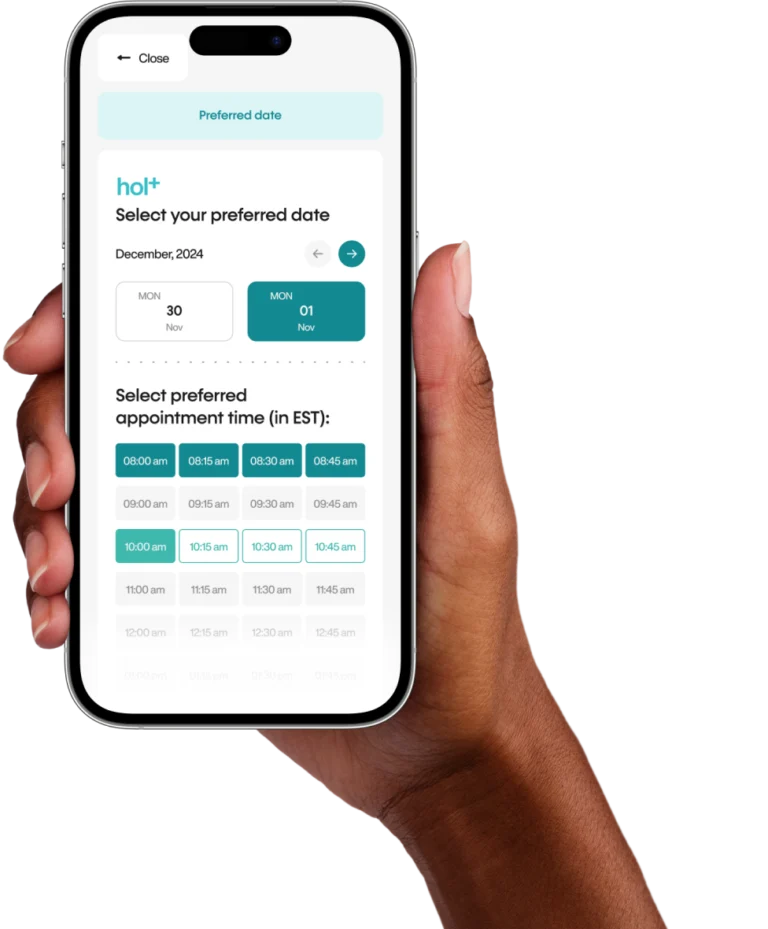
The Enzyme in Pineapple with Digestive Potential
Bromelain is a group of enzymes found mainly in the core and stem of the pineapple plant. It helps the body break down proteins into smaller peptides and amino acids, which can ease the digestive process—especially after larger or heavier meals.
In traditional and herbal medicine, bromelain has been used to support inflammation, tissue repair, and digestive comfort. While the amounts found in fresh pineapple are lower than in concentrated supplements, even small servings can offer some enzymatic support, particularly when the fruit is eaten raw and ripe.
Early Research and Observations in Gut Health
Research on bromelain in digestive health is still evolving. Some small studies suggest it may support inflammatory balance in the GI tract, while animal and in vitro models point to potential benefits for intestinal lining health and immune response.
In IBS, the evidence is mostly anecdotal. Some people report less bloating or discomfort when they include small amounts of pineapple with meals. This may be due to the enzyme’s protein-digesting effects, or perhaps its mild anti-inflammatory properties.
For those with IBS, it’s helpful to observe how your own system responds. A small amount of pineapple, chewed well and eaten with protein-rich meals, may offer subtle support—though it’s not meant to replace other parts of your care plan.
When Pineapple May Make IBS Worse
For all of pineapple’s nutrient-rich potential, there are times it simply doesn’t land well—especially for those with sensitive digestion. Understanding why this happens can help you make more informed, body-aware choices about if and how to include it.
Fructose, Fiber, and Acid: Common Sensitivities to Watch For
Some parts of pineapple’s profile can cause digestive discomfort for certain individuals with IBS. These include fermentable sugars, acid levels, and how your gut handles fiber.
- Fructose: Pineapple contains a moderate amount of fructose, a FODMAP sugar that may ferment in the gut, causing bloating, gas, or diarrhea in those who are sensitive.
- Acidity: As a tropical fruit, pineapple is naturally acidic. In some people, this can irritate the gut lining, especially if digestion is already inflamed or reactive.
- Fiber Type: Pineapple has both soluble and insoluble fiber. For some, the insoluble portion can feel rough on the system, especially during a flare or if bowel movements are already irregular.
These reactions vary widely. While one person may feel great with a few slices, another might notice immediate symptoms. Your response is personal and worth tracking.
Gentle Ways to Try Pineapple (If You Tolerate It Well)
If you’re curious and want to explore pineapple more safely, there are a few ways to reduce the chances of a flare-up.
- Fresh vs. Canned: Canned pineapple often has added sugar and less active bromelain. Fresh is generally more supportive nutritionally—just go easy on the portion.
- Pair with Fat or Protein: Eating pineapple with a little protein, healthy fat, or as part of a full meal can buffer its sugar and acid load.
- Cook or Blend: Grilling, lightly sautéing, or blending into a smoothie may reduce some irritation triggers for sensitive guts.
A few bites, eaten slowly and mindfully, can often give you all the information you need. When in doubt, a symptom journal can be a helpful companion.
More Natural Tools for IBS Relief
IBS doesn’t always respond to one approach. Many people find comfort in layering small, natural tools into their routine—focused on nourishment, stress relief, and gentle support for digestion. These options can help you tune into your body’s needs over time.
Food as Information: Dietary Approaches to Consider
Making thoughtful changes to the way you eat can often have a big impact on how your gut feels day to day. These approaches help reduce irritation and support balance.
- Low FODMAP Diet: Temporarily reducing fermentable carbs can ease symptoms like bloating and urgency. Many find relief during the elimination phase, followed by careful reintroduction.
- Elimination Diets: Sometimes used to identify food sensitivities that aren’t immediately obvious. Best guided by a practitioner to ensure nutrient balance and clarity around results.
Listening to how your body reacts is key. Patterns often reveal more than a single food choice ever could.
Calming the Nervous System to Support the Gut
The gut and brain are always in conversation. Calming the nervous system can help digestion feel less reactive and more resilient. These practices help restore balance over time:
- Acupuncture: Known to support parasympathetic tone and digestive regularity
- Breathwork and Meditation: Simple tools to regulate the nervous system and improve gut motility
- Gentle Movement: Yoga or stretching that encourages circulation and calm without stressing the system
Relief often begins with softness—less force, more trust in the body’s ability to shift when given the space to do so.
What Gut-Centered Care Looks Like at hol+
At hol+, we understand how layered digestive concerns can be. IBS isn’t just a set of symptoms—it’s a lived experience that affects energy, mood, and everyday comfort. That’s why our approach to gut health is both rooted in science and informed by whole-person insight. Our board-certified team works together across disciplines to create care that’s highly personal, flexible, and deeply supportive.
We look closely at the connections between food reactions, enzyme activity, inflammation, and the microbiome. Every piece of your digestive story matters. With the right tools and the right partnership, your gut can move toward more balance and ease—without overwhelm.
Thoughtful, Personalized Tools for IBS Support
When you come to us with IBS concerns, we take time to understand what’s driving your symptoms—and how to help your system come back into rhythm.
- Nutrition Counseling
Together, we shape a food plan that supports your unique digestive function. We help you navigate FODMAPs, triggers, and healing foods without unnecessary restriction. - Functional Testing
We measure enzyme function, microbial balance, nutrient status, and inflammatory markers to better understand what your gut needs. - Targeted Supplements
When helpful, we support your plan with gut-friendly formulas like probiotics, digestive enzymes, and herbal blends selected for your body—not just the symptom list. - Stress & Nervous System Care
Acupuncture, IV nutrition, and nervous system regulation techniques help address the gut-brain axis and bring more calm to the whole system.
Your care evolves with you. We stay present to your feedback and progress, adjusting the plan as needed. This is care that respects your whole story.
A Better Way to Approach Digestive Health
So—is pineapple good for IBS? The answer depends on your individual sensitivity to fructose, fiber, and acidity, along with your body’s current state of balance. Pineapple can offer enzymes and nutrients that gently support digestion, but it may also trigger symptoms in certain cases. The key is thoughtful observation, small portions, and personal context.
At hol+, we believe your gut deserves personalized attention. If you’re unsure how to navigate food triggers or want help uncovering the root causes of your symptoms, we’re here to help. Our integrative team will work with you to create a care plan that’s both nourishing and sustainable. Schedule a consultation today to begin a more supported path forward.
FAQs
Is pineapple good for IBS or can it make symptoms worse?
It depends on your tolerance. Pineapple has nutrients and enzymes that may support digestion, but its fructose and acidity can trigger symptoms in some people. Start with a small amount and see how your body responds.
How much pineapple is considered safe for someone with IBS?
For most, a serving of around ¼ cup of fresh pineapple can be a gentle starting point. Monitor your symptoms and try it with a meal for better tolerance.
Can bromelain supplements offer the benefits of pineapple without the sugar?
Yes, bromelain supplements may help support protein digestion without the fructose. Always check with a practitioner to make sure it’s a good fit for your digestive profile.
Does hol+ offer testing to see if pineapple or other foods are IBS triggers?
Yes, we offer advanced testing and guided elimination protocols to help identify individual food sensitivities and how they relate to your symptoms.
Can hol+ help me understand if I’m getting enough digestive enzymes?
We can. Our team runs targeted testing and may recommend enzyme support or specific foods based on your digestion and symptom patterns.