

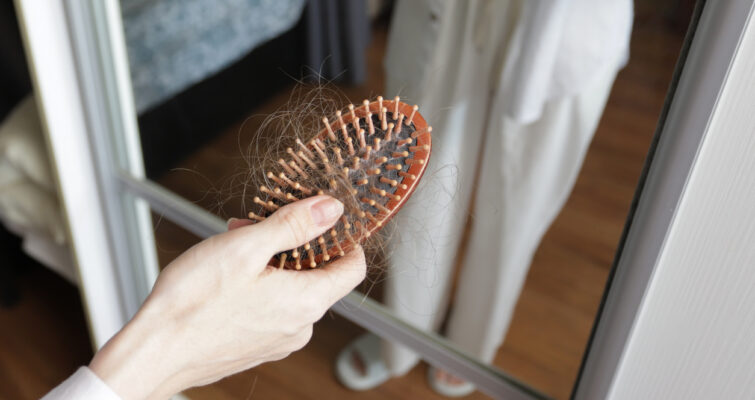
If you’ve been wondering how to stop your hair from shedding, you’re definitely not alone. A little daily hair fall is normal, but when it starts showing up on your pillow, in the shower, or filling your brush faster than usual, it can feel unsettling and frustrating. Hair shedding can be triggered by more than one thing, and the root cause isn’t always where you think it is.
At hol+, we approach hair loss through a whole-body lens. Hormones, nutrient levels, stress, thyroid function, and even gut health can all play a role in how your hair grows. Understanding why your hair is shedding is the first step toward bringing it back into balance. And yes, there are real ways to support that process.
How Much Hair Loss Is Normal?
It’s completely normal to lose some hair every day. In fact, most people shed between 50 and 100 strands daily, and it often varies depending on your hair texture, how frequently you wash it, how tightly you wear it up, and even the season. You might notice a little more during fall or after brushing out a few days’ worth of buildup. That’s your body cycling through its natural phases – growth, rest, and shedding.
What matters most is knowing your baseline. If you’ve always lost a little after washing and now suddenly see clumps near the drain, that change might not be too abnormal. But if you’re finding more hair on your pillow than usual, in the shower drain, or woven through your fingers every time you touch your scalp, it might be time to pay closer attention. Your body uses hair as a marker of internal balance. It responds to hormones, nutrient levels, inflammation, and stress. When your hair starts shedding in ways that feel unfamiliar, that’s your sign something may be off.
What Excess Shedding Looks Like
Hair loss can creep in slowly, often over weeks or months. That’s why the signs can be easy to brush off until they start affecting how you feel in your skin. Here are a few shifts that may point to an internal cause:
Thinning at the crown is a common early sign of hormonal shifts. If your scalp feels more visible in that area, especially in certain light, it’s a good idea to look deeper.
A receding hairline or a widening part often ties into androgenic patterns, which are strongly influenced by hormones like testosterone and DHT. These changes can be slow-moving but are often progressive.
Sudden or rapid shedding, especially if it started after a stressful life event, illness, or hormonal change, may be tied to an underlying disruption like thyroid issues, postpartum hormone shifts, or nutrient depletion.
Whether it’s a nutrient gap, stress overload, or hormone shift, there’s often a clear reason behind the change – and once you find it, your hair can begin to recover.
Click here to support fuller, thriving hair!
Top Root Causes of Hair Shedding You Might Be Overlooking
1. Hormonal Imbalances Can Disrupt the Hair Cycle
Your hair follicles are influenced by hormones, especially estrogen, progesterone, testosterone, and thyroid hormones. When these shift, so does your hair growth. Polycystic ovarian syndrome (PCOS), for example, often leads to elevated androgens (like DHEA and testosterone), which can shrink hair follicles over time. That shows up as thinning around the crown or more noticeable shedding around the part. If you’re dealing with PCOS and noticing more shedding, check out this article where we break down how to support hair growth when hormones are out of sync. If you suspect or know you have PCOS, you can also head here for practical hair loss solutions made specifically with PCOS in mind.
Thyroid dysfunction is another common trigger. Hypothyroidism (low thyroid function) slows cellular turnover, which can make hair dull, brittle, and slower to grow. In contrast, hyperthyroidism (high thyroid function) can cause sudden hair loss and scalp sensitivity.
Hair also tends to shed more after giving birth, during perimenopause, or around menopause. Estrogen plays a protective role for hair, and when it dips (either gradually or suddenly) shedding tends to follow.
2. Nutrient Deficiencies That Affect Follicle Health
Hair needs constant nutritional support. When the body is under stress or nutrients are low, it prioritizes essential functions first, and hair isn’t one of them. That’s why even mild deficiencies can lead to visible changes.
Here are some of the most common nutrient-related causes of hair shedding:
- Iron: Critical for oxygen delivery to hair follicles. Low levels often lead to slow growth or excess shedding.
- B12: Supports energy production and cellular repair, including in the scalp.
- Zinc: Helps with tissue repair and inflammation control. A deficiency can disrupt the growth cycle.
- Biotin: Known for supporting hair structure, though it’s often over-supplemented.
- Protein: Hair is made of keratin, a protein. Inadequate protein intake weakens hair structure.
- Omega-3s: These healthy fats support the scalp’s barrier and hydration. Low intake can lead to dry, brittle hair.
Even with a healthy diet, your body may not be absorbing nutrients well, so it’s important to look beyond food and into function.
3. Stress and Cortisol’s Impact on Hair Growth
When stress becomes chronic, it travels through your whole body, including your scalp. High or prolonged cortisol levels can push more hair follicles into the shedding (telogen) phase. You might notice a wave of hair loss a few months after a high-stress period, illness, or emotionally intense life change. This is called telogen effluvium, and it often catches people off guard.
Cortisol also interferes with thyroid function, nutrient absorption, and sleep, all of which play a role in maintaining healthy hair. Managing stress isn’t a quick fix, but it’s one of the most powerful ways to create lasting change in how your body feels and functions, including how your hair grows.
4. Gut Health and Absorption Issues
If your digestion isn’t optimal, your hair won’t get the nutrients it needs, no matter how clean your diet is. Conditions like IBS, SIBO, or low stomach acid can reduce nutrient absorption, especially for iron, B12, and protein. Gut inflammation can also lead to more systemic inflammation, which impacts how well your follicles function.
The gut-skin-hair axis is real. If you’ve been struggling with bloating, food sensitivities, or digestive discomfort alongside hair loss, your gut may be playing a bigger role than you think.
5. Environmental and Medication-Related Triggers
Certain external factors can also lead to increased shedding. This includes exposure to heavy metals, chemicals in hair products, or even overly tight hairstyles that strain the follicle. Medications like birth control, antibiotics, acne treatments, and antidepressants can alter hormones, nutrient levels, or gut health in ways that affect the scalp.
Rapid weight loss, especially from crash diets or extreme restriction, often leads to nutrient depletion and hormonal stress, both of which contribute to telogen effluvium. Hair loss in these cases isn’t permanent, but it signals a need for deeper support and stabilization.
Six Functional Hair Growth Strategies That Actually Work
At hol+, we treat hair loss the same way we treat everything else: by looking at the whole picture. We’re a functional medicine practice blending Eastern and Western approaches, using advanced testing, targeted therapies, and personalized care to get to the root of what’s actually causing your hair to shed. Every recommendation we make is grounded in evidence, shaped by your individual needs, and delivered with support you can feel.
Our board-certified practitioners work with you to map out what’s happening beneath the surface, whether it’s hormonal shifts, nutrient gaps, stress overload, or scalp inflammation, and build a plan that supports healing from multiple angles. That might include medication when it’s the right fit, Ayurvedic therapies, scalp treatments like microneedling, nutrition coaching, or nervous system support. We’ve helped hundreds of clients recover from hair loss with an approach that’s customized, realistic, and never one-size-fits-all.
Here are six strategies we often recommend for healthy regrowth – and they’re all things you can start integrating right now.
Massage the Scalp to Stimulate Circulation
Your scalp needs oxygen and nutrients to support strong, healthy follicles. A few minutes of massage a day can help improve circulation and wake up sleepy hair roots. Use essential oils like rosemary, peppermint, or lavender diluted in a carrier oil to add therapeutic benefits. It feels good, it’s easy to do at home, and over time, it can help re-energize the hair cycle.
Support Hair Through Food
Nutrients play a major role in hair health. Your hair is made of protein and relies on a steady supply of vitamins and minerals to grow and stay strong. Focus on whole-food sources of:
- Heme iron (from animal sources like beef or organ meats) to support oxygen delivery
- Omega-3s to reduce inflammation and support scalp health
- B vitamins like biotin and B12 for energy and repair
- High-quality protein to fuel keratin production
At hol+, we also keep an eye on how well your body absorbs those nutrients, which brings us to the next point.
Minimize Stress on Your Hair at Night
Nighttime is when your body shifts into repair mode, and your hair deserves protection during that process. Use satin or silk pillowcases to reduce friction and breakage. If you wear your hair up, choose a loose braid or protective scarf to minimize tugging. These small tweaks help keep your hair healthier between washes and support longer-term retention.
Nourish with Natural DIY Hair Masks
When your scalp feels dry or your ends look dull, a nourishing hair mask can offer support and softness. Ingredients like avocado, honey, yogurt, or coconut milk deliver deep moisture and nutrients your scalp can actually use. These masks can help replenish hydration and give your hair a break from harsh products or styling stress.
Address Stress at the Root
Hair follicles are sensitive to cortisol and other stress signals. Daily practices like meditation, breathwork, therapy, or using adaptogens like ashwagandha or holy basil can make a difference. When your nervous system feels more regulated, your entire endocrine system (including your hair growth cycle) benefits from that steadiness. It’s one of the most overlooked parts of a hair recovery plan.
Run Labs and Personalize Your Supplements
If you’ve been shedding for more than a few months, it’s worth digging deeper. Hormone testing, nutrient panels, and gut health labs help us understand the full picture. From there, your practitioner can recommend targeted supplements that match your body’s needs. Iron, zinc, B12, and vitamin D are common support tools, but dosage and form matter. That’s where personalized care really shines.
Your Hair Deserves More Than a Quick Fix – Here’s Our Plan
Hair loss doesn’t happen in a vacuum – and at hol+, we never treat it like it does. Your hair is a direct reflection of what’s happening beneath the surface: nutrient status, stress load, hormone function, gut health, and even how your nervous system is managing day to day life. When any of those systems are overworked or out of sync, your hair feels it. That’s where our method comes in.
We combine functional medicine with integrative therapies and targeted treatments to address the why behind your hair loss, not just the visible shedding. Whether you’re dealing with PCOS, postpartum hair shifts, thyroid issues, or stress-induced shedding, our care plans are fully personalized to meet you where you are.
It Starts With a Deep Dive
Every hair restoration plan at hol+ begins with comprehensive testing and a real conversation. We run functional labs that look at hormones, nutrient levels, inflammatory markers, gut health, and thyroid function. We also take into account your history, lifestyle, sleep, stress patterns, and skin or cycle changes – anything your body might be using to send up red flags.
This gives us a full picture of what’s really happening. From there, we build a targeted plan designed around your biology and goals.
What We Might Include in Your Hair Restoration Plan
Our treatment plans are layered and collaborative. Depending on your unique results, your plan may include:
- Topical and in-office therapies: Scalp microneedling, peptide serums, and exosome treatments to stimulate follicle activity and improve circulation
- Targeted supplementation: Iron, B12, vitamin D, zinc, omega-3s, and adaptogens to support regrowth and resilience
- Personalized medication: When appropriate, we may prescribe thyroid support, spironolactone, or compounded hair loss solutions (oral or topical)
- Ayurvedic and herbal options: Plant-based remedies for calming inflammation, balancing hormones, and supporting detox pathways
- Nutritional coaching: Led by licensed dietitians, focused on fueling your follicles through whole-food strategies that are realistic and sustainable
- Stress and nervous system care: Acupuncture, breathwork, and lifestyle shifts to help regulate cortisol and bring your body back into balance
Each part of the plan works together to create an environment where hair can grow again, without pushing your body too hard or covering up symptoms.
Want to learn more? Schedule a FREE 15 minute consultation
Schedule Your Consultation
Lush Locks® – A hol+ Favorite
For those looking to nourish their hair from the inside out, EastWest® Lush Locks is one of our favorite go-to essentials. This formula was created to support hair health through a powerful blend of herbs, vitamins, minerals, and amino acids that work together to target the root factors behind shedding, thinning, and lackluster strands. It’s a true EastWest® original – crafted to promote healthy regeneration, improve scalp circulation, and strengthen follicles so your hair grows in shinier, stronger, and far more resilient.
Each capsule delivers a therapeutic mix of hair-supportive nutrients like B vitamins, iron, magnesium, and folate, which are key for follicle function and keratin production, alongside traditional herbs like organic Fo-ti and Amla, both known for their time-tested benefits in supporting hair vitality and longevity. With the addition of biotin and L-cysteine, this formula goes beyond just hair growth and helps replenish and reinforce the integrity of the hair shaft itself.
It’s a thoughtful, clinically-informed way to support your hair’s structure, shine, and strength from within. Shop EastWest® Lush Locks here and give your follicles the daily support they need to thrive.
Real Support, Rooted in Science and Respect
We know how emotional hair loss can be. It affects how you feel in your body and how confident you feel showing up in the world. Our role is to walk beside you with care that feels grounded, thoughtful, and deeply personalized. Our board-certified practitioners and integrative team work closely with you throughout your journey, checking in on progress, adjusting your plan as needed, and making sure every piece feels aligned.
How to Build a Routine That Protects and Promotes Hair Growth
Hair loves consistency. These gentle, practical actions help support growth and reduce breakage when done regularly.
- Eat nutrient-dense, anti-inflammatory foods. Include iron-rich greens, wild-caught fish, healthy fats, and whole proteins. Your hair depends on key nutrients to grow well.
- Massage your scalp 3–4x per week. Use fingertips or a scalp brush with light pressure. This helps increase circulation and wake up the follicles.
- Avoid frequent heat styling or tight hairstyles. These weaken the strand and stress the follicle over time.
- Use a silk pillowcase and wear loose styles at night. It reduces friction, protects your ends, and helps maintain moisture.
- Take a high-quality hair supplement daily. Look for one with biotin, B12, iron, and plant-based support like Fo-ti or Amla.
- Get functional labs to check hormones and nutrients. If you’re shedding or feeling stuck, personalized data is key to understanding what your body needs.
- Follow a daily wind-down ritual to reduce stress. Sleep, nervous system health, and cortisol regulation all play a major role in hair growth.
Try a Nourishing Natural Hair Mask Weekly
Some of the most effective hair remedies come straight from your kitchen. Nature has a way of delivering what your hair needs with no fuss. One of our favorite go-to masks is simple and nourishing:
Mix half an avocado, a tablespoon of honey, and half a cup of plain yogurt. Apply to damp hair, focusing on dry or brittle ends. Wrap your hair into a bun and let it sit for 15 to 30 minutes before rinsing with lukewarm water.
Yogurt offers strengthening proteins, avocado brings fatty acids to support elasticity, and honey helps lock in moisture. It’s a quick reset your hair will actually feel.
Build the Foundation for Lasting Hair Growth
Whether your hair shedding is driven by hormones, stress, nutrient gaps, or something else entirely, there’s always a reason. And more importantly, there’s always a path forward when you know where to look. Whole-body care creates the kind of environment your hair needs to grow back stronger, healthier, and more supported.
FAQs
How do I know if my hair shedding is normal or a sign of something deeper?
If you’re losing more than 100 strands a day, noticing thinning around your part or crown, or seeing more hair in your brush or shower, it’s worth investigating. Sudden or persistent shedding can be tied to hormones, nutrition, stress, or thyroid function. A little shedding is normal, but persistent loss deserves a closer look.
Can stress really cause my hair to fall out?
Yes, and it’s more common than you might think. Chronic stress can push hair follicles into a resting phase, leading to shedding a few months later. Managing your stress with practices like movement, rest, breathwork, and adaptogens can help bring your hair cycle back to balance.
I keep wondering how to stop my hair from shedding – do I need supplements?
Supplements can be a helpful part of your plan, especially when labs show gaps in iron, B12, zinc, or vitamin D. But they work best when paired with personalized guidance and healthy lifestyle foundations. A quality supplement can support growth, but the root cause still needs to be addressed.
Does hol+ offer lab testing for hair loss concerns?
Yes. We run functional lab panels that check hormone levels, nutrient deficiencies, thyroid markers, inflammation, and more. This gives us the full picture and helps us create a treatment plan that’s tailored to what your body actually needs.
Can hol+ help with PCOS or postpartum hair loss?
Absolutely. These are some of the most common concerns we see. Our team specializes in hormone-related hair loss and builds gentle, strategic plans that support your body during big transitions like pregnancy, postpartum, and perimenopause.
Do you treat hair loss with both natural and clinical options?
We do. Every plan is customized, and we combine natural therapies like Ayurvedic herbs, scalp treatments, and supplements with clinical options if they’re appropriate for you.
How do I start working with hol+ on my hair concerns?
It all begins with a consultation. From there, we’ll guide you through testing, treatment options, and a care plan that feels manageable and aligned with your goals. You don’t have to navigate your hair concerns on your own – our team provides straightforward, personalized direction every step of the way.