

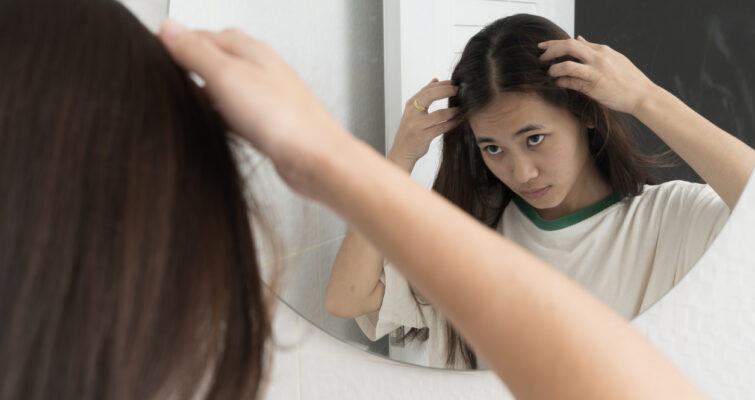
If you’ve been searching for how to decrease hair shedding, you’re definitely not alone. Hair on your pillow, in the shower, or caught in your brush can feel frustrating and confusing, especially when it seems like it’s happening out of nowhere. Shedding is common, but when it becomes excessive or persistent, it’s often a sign that your body is asking for support.
Hair Shedding: What’s Normal and What Deserves Attention
Hair shedding happens to everyone, as it’s a completely natural part of the hair cycle. Your follicles go through phases: growing, resting, and shedding. Losing about 50 to 100 strands a day is typical. You might see them on your pillow, in the shower drain, or gathered in your brush, and in most cases, that’s no cause for concern. Your scalp is constantly renewing, and some daily loss is just part of the rhythm.
But when that rhythm changes, when you notice significantly more strands or start seeing visible thinning around your part, temples, or crown, it might be time to take a closer look. Hair doesn’t just shed for no reason. It responds to what’s going on inside your body. That includes your hormones, your nutrition, your stress levels, and even your gut health.
When Hair Shedding Speeds Up
Sudden or noticeable increases in shedding usually happen for a reason. Sometimes, it shows up a few weeks or months after a shift in your health, lifestyle, or medication routine. Certain patterns of loss like widening at the part, thinning near the temples, or increased hair fall during brushing can offer clues about what’s going on under the surface.
Common triggers include hormone imbalances (especially related to PCOS, thyroid shifts, or menopause), low nutrient levels (think iron, B12, and zinc), and even gut dysfunction, which impacts how your body absorbs what it needs to nourish your follicles. Stress is also a major factor. When cortisol stays elevated, it disrupts the hair cycle and can push follicles into a shedding phase sooner than they should be.
Shedding Around Life Changes
Hair shedding tends to show up after certain milestones or changes. For example, postpartum shedding usually peaks around 3–4 months after giving birth. If you’ve recently started a new medication – like GLP-1s for weight management or hormone-based birth control – that could shift your hair’s behavior, too. Extreme dieting or sudden weight loss can also prompt shedding, since your body may start prioritizing vital systems over hair growth.
This kind of shedding is usually temporary, but it’s still a signal that something needs extra support. If you know your body’s been through a change and you’re starting to lose more hair, it helps to get ahead of it early with nourishment, rest, and the right supplementation.
What to Watch For
A few changes are worth paying closer attention to. These are signs your body may need more targeted support:
- Noticeably more hair on your pillow, in your drain, or coming out when you run your fingers through your scalp
- Thinning or patchy areas, especially near the crown or hairline
- Widening part or visible scalp through your usual hair density
- Increased shedding following a life or health change
- Feeling fatigued, low mood, brittle nails, or dry skin alongside hair loss
With the right perspective, a little work, and a supportive plan, it’s absolutely possible to slow shedding and bring your hair back into a cycle of strength and regrowth. You don’t have to tackle it all at once, but staying aware of your baseline helps you know when it’s time to take the next step.
Want to learn more? Schedule a FREE 15 minute consultation
Schedule Your Consultation
Step 1: Feed the Follicle (Nutrients That Make or Break Your Hair)
Your hair is made of protein, built by cells that divide rapidly and constantly. That process requires fuel – specific nutrients that allow your follicles to grow, repair, and stay anchored. When your body lacks the right building blocks, your hair becomes one of the first areas to feel it. Shedding increases, growth slows down, and your strands lose their strength.
This is one of the reasons we start with nutrition whenever someone asks how to support regrowth. The right nutrients act like the foundation of a house. Without them, even the best hair products can only do so much.
The Core Nutrients Your Hair Relies On
For your follicles to function well, they need steady access to nutrient-dense foods. Here are some of the most important ones to keep in mind:
- Protein-rich foods like pasture-raised eggs, wild-caught salmon, lentils, and grass-fed beef help supply amino acids (key for keratin production).
- Heme iron sources such as red meat, poultry, and liver boost oxygen delivery to the scalp. Iron deficiency is one of the most common causes of diffuse hair shedding.
- Vitamin C from citrus, berries, and leafy greens supports collagen production and helps your body absorb more iron from food.
- Omega-3 fatty acids found in salmon, walnuts, flaxseeds, and anchovies help calm inflammation around the follicle, encouraging a healthier environment for growth.
If you’re focusing on nutrition for hair health, it’s worth knowing which foods help support hormone balance too – especially when DHT (a more potent form of testosterone) is part of the shedding picture. Certain foods naturally support lower DHT activity and help create a friendlier environment for your follicles. Curious which ones to add to your plate?Click here to explore the top natural foods for hair loss & hormone balance.
When Diets Get in the Way
One of the most overlooked reasons for hair loss? Restrictive eating. When calorie or nutrient intake drops, whether intentionally or due to stress, appetite changes, or medications like GLP-1 receptor agonists (used for weight management), the body often responds by shifting into conservation mode. Hair isn’t essential for survival, so the body may pull resources from your scalp to redirect them elsewhere.
This can lead to telogen effluvium, a temporary but frustrating shedding phase where more hairs than usual enter the resting cycle. It often shows up as thinning all over the head, rather than in one specific patch.
If you’ve recently changed your diet, experienced weight loss, or noticed that your appetite has shifted, it’s important to check in on your nutrient intake. Protein, iron, B vitamins, zinc, and omega-3s all play a direct role in follicle health. Bringing your nutrition back into balance can help restore the strength, texture, and growth rate of your hair over time.
Step 2: Rebuild With Targeted Supplementation
Whole foods are the foundation, but sometimes, your body needs extra support. This is where supplementation becomes a powerful tool. Whether you’re navigating a demanding season of life, recovering from a hormone shift, or dealing with digestive issues that block nutrient absorption, supplements can bridge the gap between what your body needs and what it’s actually getting.
Hair is one of the last places your body sends nutrients, which means even small deficiencies can show up as shedding, breakage, or slower growth. A carefully selected supplement plan can replenish what’s missing and give your follicles what they need to do their job well. The key is choosing ingredients that go beyond the basics.
What to Look for in a Hair Supplement
Biotin gets a lot of attention, but it works best as part of a complete formula. The best supplements for hair health take a multi-nutrient approach, supporting not just your strands, but your scalp, blood flow, and overall follicle function. Look for products that include:
- L-cysteine, a sulfur-rich amino acid that supports strong keratin structure inside the hair shaft
- Organic amla, rich in antioxidants and traditionally used to support scalp health and shine
- Methylated B vitamins like B6, B12, and folate for energy, circulation, and hormonal balance
- Iron and magnesium, which support oxygen delivery and follicle metabolism
These are especially important if you’ve been dealing with long-term stress, post-hormonal shifts, or a restrictive diet, all of which deplete key reserves.
Hair Support Backed by Nature and Science: Lush Locks® – Nutrient Therapy for Healthier Hair
Lush Locks is one of our go-tos when we’re supporting clients through active hair loss or thinning. This unique formula blends time-tested botanicals with essential hair nutrients to help restore strength, shine, and density from within. It’s crafted with B vitamins for follicle support, L-cysteine for keratin production, and organic amla and foti for circulation and antioxidant protection. Magnesium, iron, and folate work synergistically to replenish stores that are commonly depleted during stress, postpartum recovery, or hormonal shifts.
This is a smart, clean option for anyone ready to rebuild from the inside out. A clinically-formulated hair vitamin designed to restore essential nutrients, promote follicle strength, and support hormonal balance—all without synthetic fillers.
You can shop Lush Locks today and give your hair the support it’s been missing.
Step 3: Address Hormone & Peptide-Related Hair Thinning
Hair is deeply connected to your hormone landscape. It’s one of the first areas to reflect internal shifts, especially when estrogen, progesterone, thyroid, insulin, or androgens move out of balance. That’s because hair follicles are highly sensitive tissues, reacting to hormone receptors that signal when it’s time to grow, rest, or shed.
You may not feel a major hormonal disruption, but your hair often does. If you’ve noticed shedding after stopping birth control, going through postpartum, starting a new medication, or entering perimenopause, your body may be adjusting to a hormonal shift. And that can temporarily impact your follicles’ ability to stay in an active growth phase.
Common Hormonal Imbalances Linked to Hair Shedding
Polycystic ovarian syndrome (PCOS) is one of the most well-known hormonal triggers for hair thinning. It often involves higher levels of androgens like testosterone and DHEA, which can miniaturize hair follicles, particularly at the crown or part. Thyroid disorders, especially hypothyroidism, are also major contributors. They slow down cell turnover, metabolism, and protein synthesis, all of which are necessary for active hair growth.
Other hormonal patterns like elevated cortisol (your stress hormone) or drops in estrogen during menopause can change the texture, fullness, and density of your hair over time. Even small shifts can make a noticeable difference.
If you have PCOS, or someone close to you does, there’s a lot you can do to support healthier, fuller hair. You can explore natural, root-cause solutions for PCOS-related shedding right here and start giving your follicles the support they’ve been waiting for.
The Importance of Peptides and Functional Testing
When hormone shifts are affecting your hair, testing can give you the clarity you’ve been missing. It’s one of the most helpful steps in understanding what your body actually needs. Comprehensive labs can highlight where your hormones are fluctuating, how well you’re absorbing nutrients, and whether inflammation or immune triggers are part of the picture. With the right information, you can take action that truly supports healthy, consistent hair growth.
Step 4: Stimulate Circulation & Scalp Health
Your scalp is living tissue, and just like the rest of your skin, it thrives on circulation, oxygen, and nutrients. When blood flow to the scalp is strong and consistent, hair follicles are better nourished and more likely to stay in the growth phase longer. If your scalp feels tight, tender, or flaky, it may be asking for a little more attention.
Start simple. Scalp massage is one of the most underrated tools for hair health. It’s free, easy, and it feels amazing. Use your fingertips or a scalp brush to gently stimulate your scalp a few times a week. When paired with essential oils like rosemary, peppermint, or lavender, you support both blood flow and follicle resilience. These oils are also known for their antioxidant and antimicrobial benefits—your follicles love that.
For those ready to level up, clinical therapies like microneedling, exosome therapy, and even acupuncture can reach deeper into scalp layers where follicles might be dormant. These treatments help stimulate stem cell activity and collagen production around the follicle base, which encourages stronger, more active growth over time.
Feed the Scalp With Nature’s Pantry
What you put on your scalp matters just as much as what you eat. Whole-food hair masks can deliver nourishing fats, proteins, and humectants directly to your skin and roots. Here’s one of our favorite DIY masks when hair is feeling brittle or dull:
- ½ avocado
- 1 tablespoon honey
- ½ cup yogurt
Mix these ingredients in a bowl until smooth. Apply to damp hair, focusing on the ends and scalp. Twist your hair into a bun and let the mask sit for 15–30 minutes. Rinse with lukewarm water. The proteins in yogurt help strengthen strands, avocado brings in healthy fats for softness, and honey locks in moisture by drawing hydration into the hair shaft.
Heat styling, chemical treatments, and even frequent shampooing can disrupt the scalp barrier and lead to inflammation or excessive shedding. If you’ve been leaning on dry shampoo or tight styles, try scaling back. Let your scalp breathe, and create space for healing. Gentle care really does go a long way when your goal is strong, full, healthy hair.
Step 5: Discover the hol+ Approach to Hair Shedding—Functional, Personal, Regenerative
At hol+, our approach blends deep diagnostics with thoughtful, whole-body support so you can stop shedding and start restoring. Hair thinning can be emotional and frustrating, but we believe it’s also an opportunity to understand your body more fully and take meaningful action.
We look at hair as an extension of internal health, influenced by everything from stress hormones to gut health to medication history. That’s why we never rely on one-size-fits-all solutions. Instead, we craft a personalized plan built around your labs, symptoms, and lifestyle. It’s care that’s thorough, thoughtful, and made for you.
What Personalized Hair Healing Looks Like at hol+
When you work with us, your journey is led by practitioners who understand the complexity of health and how it shows up in your hair. From shedding around the part line to thinning at the crown, we recognize the patterns and have the tools to help.
Here’s what your plan might include:
- Comprehensive lab work that dives into hormone balance, nutrient deficiencies, gut function, and inflammation markers.
- Hair-focused supplements that go far beyond biotin—using nutrient-dense, medical-grade support designed to replenish what your follicles are missing.
- Exosome therapy and microneedling, in combination with scalp massage protocols, to activate growth at the follicular level.
- Peptide support for those who’ve experienced shedding after rapid weight loss or hormone shifts, guided by professionals who know how to use them safely and effectively.
- Functional nutrition coaching with real-life meal plans that prioritize healthy fats, high-quality protein, minerals, and anti-inflammatory foods to feed hair growth daily.
- Stress and inflammation management through breathwork, sleep optimization, nervous system support, and targeted adaptogens.
When your shedding has a deeper root – which it often does – shampoo swaps and quick fixes won’t get the job done. You need a team that understands the biochemistry behind growth and the lived experience of navigating it.
At hol+, we merge functional medicine with integrative therapies to create something different: care that sees the whole picture. We test, we tailor, and we track your progress closely.
If you’re tired of trying random remedies and wondering why nothing’s working, you’re not alone. Many of our clients come to us after trying everything. What they find with us is relief, answers, and a clear path forward.
The Functional Medicine Path to Healthier Hair
Hair thinning can feel overwhelming, but understanding how to decrease hair shedding is the first step toward meaningful change. From nutrient gaps and hormone shifts to stress and scalp health, so many factors influence how your hair grows or sheds. The good news? Each one is addressable with the right guidance and care.
If you’re ready for answers that go deeper than surface-level fixes, our team is here to help. We offer advanced testing, expert insights, and personalized plans that treat your whole system, not just your symptoms. Book a consultation today and let’s build a plan that brings strength and vitality back to your hair!
FAQs
What’s the best way to learn how to decrease hair shedding naturally?
Start by looking at your stress levels, recent diet changes, and any shifts in medication or hormones. Hair shedding often reflects internal imbalances. If it’s persistent or worsening, getting labs done to check hormones, nutrient levels, and thyroid function can be a game-changer.
Could hormone-related hair shedding happen even if my period is regular?
Yes. Hormones like thyroid, insulin, and cortisol can all affect hair independently of your cycle. Even with a predictable period, hidden imbalances can be at play. That’s why comprehensive testing can be so helpful—it gives a full picture, not just a surface-level snapshot.
What role does diet play in hair health?
A big one. Hair needs constant access to protein, iron, B vitamins, zinc, and healthy fats to grow. Skipping meals, cutting calories too low, or following restrictive diets can leave your follicles undernourished, even if you’re eating “clean.”
Do you offer scalp treatments at hol+?
We do. Our treatments include scalp microneedling, exosome therapy, and detoxifying scalp facials. These are designed to boost circulation, stimulate follicles, and support nutrient delivery, which are especially helpful if shedding is chronic or inflammation is involved.
How do I get started with a hair loss consultation at hol+?
It’s easy. You can schedule directly through our site or call us at 404.814.9808. From there, we’ll walk you through testing, review your health history, and create a personalized plan designed to restore healthy hair step by step!