


Your body is a sophisticated, multidimensional ecosystem. It communicates with you constantly, sending signals through energy levels, digestion, sleep quality, and mood. For centuries, diverse medical traditions have mapped these signals to help us understand the root causes of our well-being. Two of the most profound systems – Ayurveda from India and Traditional Chinese Medicine (TCM) – have offered roadmaps to health for thousands of years.
At hol+, we believe that true healing happens when we merge the best of these ancient wisdom traditions with the precision of modern science. While “biohacking” might sound like a futuristic concept, the original biohackers were the sages who developed these medical systems. They understood that by tweaking inputs – food, movement, breath, and rest – we can optimize our biological output.
Navigating these concepts can feel overwhelming at first. You might wonder how a system based on “elements” relates to your blood work or your busy schedule. So let’s explore the world of Ayurvedic Doshas and Chinese Medicine Meridians to uncover a powerful, integrated approach to optimal healing that honors both your biology and your spirit.
Learn more about Ayurveda or Chinese Medicine.
Decoding the Doshas: Your Unique Blueprint
Ayurveda, often translated as “the science of life,” rests on the understanding that everything in the universe, including our bodies, is composed of five elements: space, air, fire, water, and earth. These elements combine to form three primary energies, or Doshas: Vata, Pitta, and Kapha.
Think of your Dosha as your personal metabolic and personality type. While we all contain a mix of all three, most of us have one or two that are dominant. Understanding your primary Dosha is like having the user manual for your body.
Read: Understanding Your Dosha
Vata (Air + Space)
Vata is the energy of movement. In the body, it governs the nervous system, circulation, and breath.
- The Vata Profile: People with dominant Vata tend to be creative, energetic, and quick-thinking (1). Physically, they may have a slender build and dry skin.
- When Imbalanced: You might experience anxiety, insomnia, bloating, or joint pain. It’s that feeling of being “ungrounded.”
- The Biohack: Vata thrives on routine. Regular mealtimes, warming foods (like soups and stews) (2), and grounding practices like oil massage calm the erratic nervous system.
Pitta (Fire + Water)
Pitta is the energy of transformation and metabolism. It governs digestion, absorption, and body temperature.
- The Pitta Profile: Pitta types are often ambitious, sharp, and organized (1). They have a strong digestion and a medium, athletic build.
- When Imbalanced: This manifests as inflammation, acid reflux, skin rashes, or irritability. It is the feeling of “burning out.”
- The Biohack: Cooling is key. Avoiding spicy foods, spending time in nature (away from direct midday sun), and practicing moderation helps soothe the internal fire.
Kapha (Earth + Water)
Kapha is the energy of structure and lubrication. It governs the immune system, body strength, and stability.
- The Kapha Profile: Kapha individuals are typically calm, loyal, and steady. They often have a strong frame, excellent stamina, and radiant skin.
- When Imbalanced: You might feel lethargic, congested, or struggle with weight gain and fluid retention. It is the feeling of being “stuck.”
- The Biohack: Stimulation is necessary. Spicy, bitter foods (2), vigorous exercise, and trying new experiences help break up stagnation.
Take the quiz! Find Your Dosha>>
Mapping the Meridians: The Body’s Energy Highways
While Ayurveda looks at constitution, Traditional Chinese Medicine (TCM) looks at the flow of energy. TCM posits that a vital life force, known as Qi (pronounced “chee”), flows through the body along specific pathways called Meridians (3).
From a Western scientific perspective, we can view these meridians as akin to the fascial network—the connective tissue wrapping our muscles and organs – which conducts bio-electricity. When Qi flows freely, the body functions optimally. When it is blocked or stagnant, illness arises (4).
There are twelve primary meridians, each connected to a specific organ system (like the Lung, Heart, Liver, or Kidney) (5). However, in TCM, an “organ” implies a broader set of functions than in Western anatomy. For example, the Kidney meridian isn’t just about filtration – it houses our constitutional vitality and reproductive energy (6).
The Organ Clock
One of the most practical tools from TCM for modern biohacking is the Organ Clock. This concept suggests that Qi moves through the specific meridians in two-hour intervals throughout the 24-hour cycle. By aligning your activities with this clock, you optimize your body’s natural rhythms.
- 7:00 AM – 9:00 AM (Stomach): This is when digestion is strongest. Eating a warm, nourishing breakfast during this window sets your energy for the day.
- 1:00 PM – 3:00 PM (Small Intestine): This is a time for sorting and assimilation – both of food and information. It is often why we feel a dip in physical energy; the body is busy processing.
- 11:00 PM – 1:00 AM (Gallbladder) & 1:00 AM – 3:00 AM (Liver): These are vital windows for cellular repair and detoxification. If you frequently wake up at 2:00 AM, it may indicate your liver is working overtime to process stress or toxins.
The Convergence: Where East Meets West
At hol+, we advocate for an integrative approach because the body does not operate in silos. When we overlay Ayurveda and TCM, we see incredible synergies that validate modern chronobiology (the study of biological rhythms).
For instance, Ayurveda divides the day into Dosha periods.
- 2:00 AM – 6:00 AM is Vata time. The qualities are light and mobile. This aligns with the TCM “Lung” time (3:00 AM – 5:00 AM), which focuses on breath and inspiration. This is why many spiritual traditions encourage waking up early to meditate; the atmosphere is primed for connection and clarity.
- 10:00 AM – 2:00 PM is Pitta time. The fire element is highest. This aligns with the TCM “Heart” and “Small Intestine” time. Both systems agree: this is the time when your digestive fire is strongest. It is biologically the best time to eat your largest meal of the day, as your metabolism is peaking.
Related: Early Bird or Night Owl? Tune Your Internal Body Clock
Why This Integration Matters for You
Modern Western medicine excels at acute care and diagnostics. We have state-of-the-art technology to see inside the body. However, Western medicine often treats the symptom rather than the system.
By integrating Eastern frameworks, we gain a language for the experience of the body. You might have normal blood tests but still feel fatigued. Western medicine might say “you are fine,” but Ayurveda might see a Vata imbalance, and TCM might see Qi deficiency. Recognizing these subtle signals allows us to intervene before a chronic issue develops. This is the ultimate form of preventative healthcare.
Want to learn more? Schedule a FREE 15 minute consultation
Schedule Your Consultation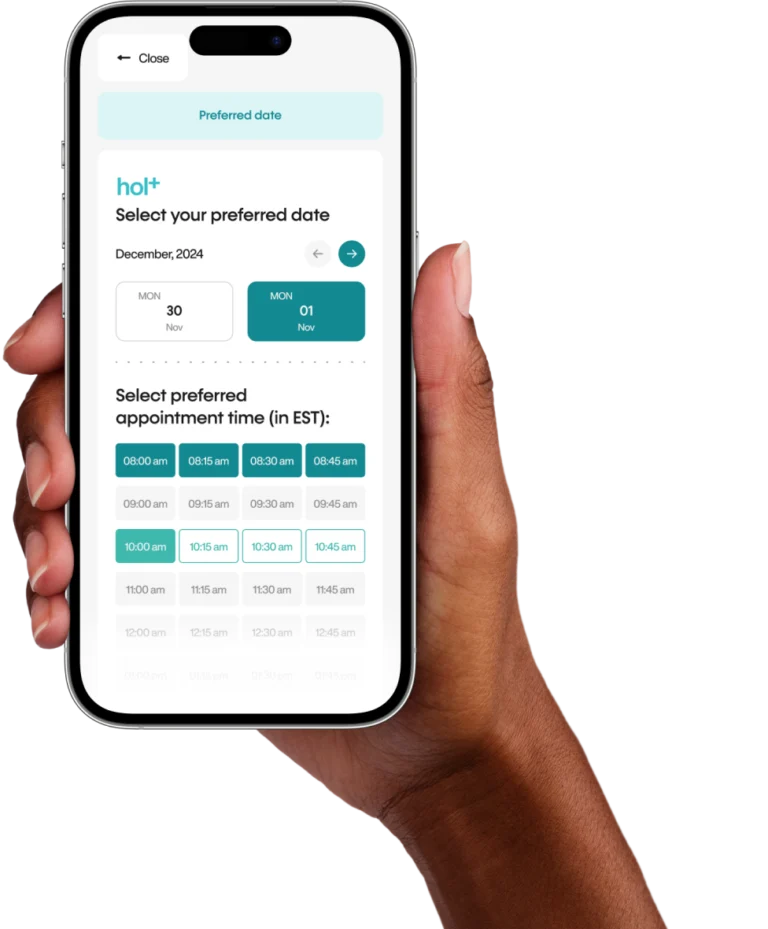
3 Steps to Biohack Your Health Using Ancient Wisdom
You do not need to become an expert in ancient texts to benefit from this wisdom. Here are three integrative ways to start biohacking your health today.
1. Sync Your Eating with the Sun
Both systems emphasize that digestion is linked to solar energy.
- The Hack: Eat your main meal at midday (Pitta time). In the evening, when the body moves into Kapha time (heaviness/slow digestion) and the TCM San Jiao window (focusing on circulation), keep meals light. This improves sleep quality and allows your body to focus on repair overnight rather than heavy digestion.
2. Identify Your Stress Response
How do you react when life gets overwhelming?
- The Hack: If you get anxious and scatterbrained (Vata), you may need grounding – warm food, heavy blankets, and stillness. If you get irritable and angry (Pitta/Liver Qi Stagnation), you may need to cool down – gentle walks, avoiding caffeine, and breathing exercises. If you withdraw and get depressed (Kapha), you may need movement—vigorous exercise to move the Qi.
3. Respect the Restoration Window
Modern biohacking loves to talk about deep sleep optimization. Ancient wisdom identified the specific hours required for this thousands of years ago.
- The Hack: Be in bed before 11:00 PM. In TCM, 11:00 PM marks the start of the Gallbladder/Liver cycle, essential for cleansing the blood and processing emotions. In Ayurveda, staying up past 10:00 PM pushes you into “Pitta” time, often giving you a “second wind” of energy that disrupts sleep quality and leaves you groggy the next day.
Related: Explore the Benefits of Acupuncture for Stress, Sleep, Vitality, & More
Your Path to Multidimensional Health
Integrating these concepts isn’t about rigid rules, but about cultivating awareness. It is about understanding that a headache isn’t just a headache – it might be liver stagnation from stress or dehydration from excess heat.
At hol+, we know that healing is a journey, and sometimes you need a guide. We combine detailed clinical research with these holistic frameworks to build a health plan that is as unique as your fingerprint. Whether you are managing a chronic condition or simply want to feel more vibrant, looking through the lens of East and West offers a comprehensive view of your potential.
Your body has the innate wisdom to heal. By listening to its language – whether through the pulse of a meridian or the balance of a dosha – we empower that process.