
Alzheimer’s Disease
In the United States, an estimated 6.7 million people 65 years or older are living with Alzheimer’s disease. By 2060, this number is projected to double, reaching approximately 14 million.
The dementia epidemic continues to increase with an aging population. Integrative, functional, & holistic medicine offers a different approach to Alzheimer’s prevention and treatment.
Preventive screenings, genetic testing, and complementary therapies such as diet intervention provide whole-body support and the best Alzheimer’s treatment available.

An Integrative Approach to Alzheimer’s Disease
Alzheimer’s, like other forms of dementia, is a neurodegenerative condition that affects mental function, memory, and behavior. Alzheimer’s disease is the most common form of dementia, affecting 10 percent of adults 65 years of age and older.
It is a progressive brain disorder that slowly impairs memory, thinking, and behavior. It’s the most common form of dementia, often beginning with subtle memory loss and advancing to more severe cognitive decline that affects daily life and independence.
While there’s no cure, early detection and a comprehensive care approach—including nutrition, lifestyle support, cognitive therapies, and, when appropriate, medication—can help slow progression and improve quality of life for both patients and caregivers. Alzheimer’s isn’t just about memory—it’s about the whole person, and treatment should reflect that.
At hol+, our team of integrative physicians understands that Alzheimer’s disease places a significant burden on family members and caregivers. Through the use of holistic medicine we’re devoted to helping patients and their families find the most innovative and effective Alzheimer’s treatments and prevention strategies available.
Root Causes of Dementia & Alzheimer’s Disease
Though previous theories suggest that Alzheimer’s disease is caused by a buildup of a type of protein, called amyloid, around brain cells, the most current evidence suggests that the buildup of beta-amyloid plaque is not the root cause of Alzheimer’s disease.
There are a multitude of factors that contribute to this complex chronic illness, such as:
- Neuroinflammation
- Microglia activation
- Mitochondrial dysfunction
- Oxidative injury
- Gut microbiome dysbiosis
- Chronic low-grade infections
- Environmental neurotoxins
Learn about becoming a new patient

Symptoms

Our Methodology

Services & Supplements

FAQs
Symptoms of Alzheimer’s Disease

Early Stage Symptoms (often subtle and gradual):
Memory lapses (especially forgetting recent conversations or appointments)
Difficulty finding words or following conversations
Misplacing items and struggling to retrace steps
Trouble with planning or problem-solving (e.g., managing bills or following recipes)
Decreased or poor judgment (e.g., unusual spending or neglecting hygiene)
Changes in mood or personality—such as increased anxiety, irritability, or withdrawal
Losing track of time or getting confused in familiar places
Later Stage Symptoms (more pronounced and disruptive):
Significant memory loss, including forgetting family members or major life events
Disorientation to time, place, or environment
Difficulty recognizing familiar faces or surroundings
Worsening communication, including speaking in short phrases or not making sense
Increased need for assistance with daily activities (dressing, bathing, eating)
Behavioral changes, such as aggression, delusions, wandering, or sleep disturbances
Loss of physical function, including trouble walking, swallowing, or controlling bodily functions
Ready to do medicine differently?
Treating Alzheimer’s with Integrative Medicine
An integrative holistic medicine approach to Alzheimer’s disease includes a focus on the metabolic, inflammatory, and genetic factors that drive brain health and cognitive function across the lifespan. The biggest strides toward Alzheimer’s prevention and treatment are most effective when part of a comprehensive program. There seem to be major effects involving:
Metabolic Health
Inflammation
Genetics & Lifestyle
Learn more about the hol+ approach
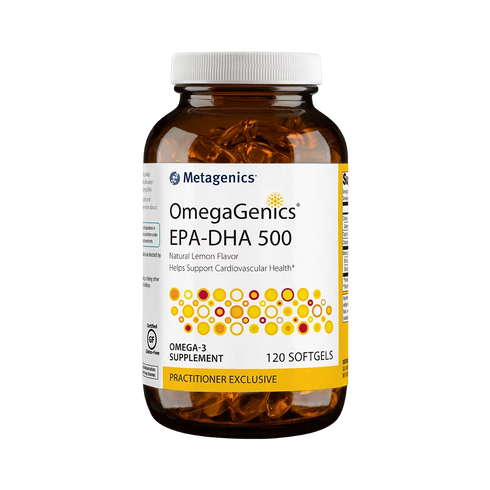
Higher dietary or supplemental intake has been linked with better memory and learning, and potentially a lower risk of dementia.
 Add to Cart See All
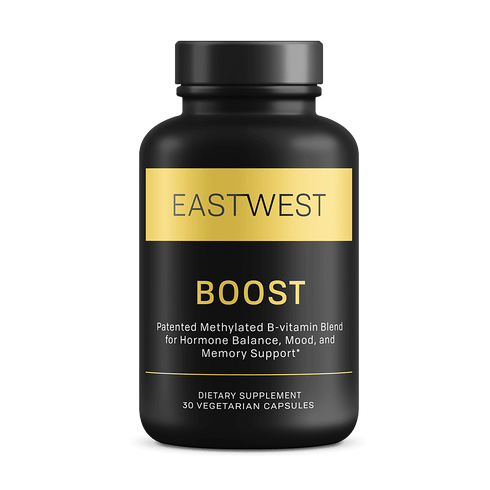
B vitamins support energy metabolism, DNA repair, and help manage homocysteine, a marker linked to cognitive decline.
 Add to Cart See All
Antioxidants may help protect brain cells from oxidative damage. Vitamin E, in particular, has shown potential in slowing functional decline in Alzheimer’s
 Add to Cart See All