

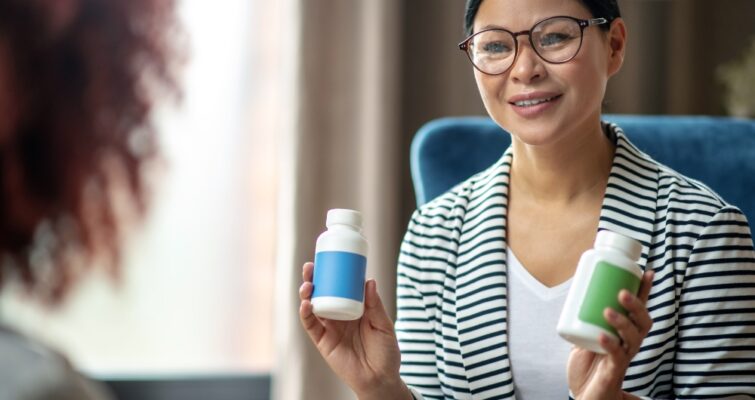
Berberine vs inositol for PCOS—it’s a match-up we hear about all the time, especially from women trying to navigate the world of supplements for hormone health. Both have been praised for supporting insulin sensitivity, cycle regularity, and overall hormonal balance, but they work differently in the body. So how do you know which one is right for you?
If you’ve been staring at supplement labels or scrolling through health forums feeling more confused than clear, you’re in the right place. We’re going to break down the science, the benefits, and the real-life considerations of each so you can make a decision that actually supports your body—and your goals.
Understanding the Hormone Puzzle in PCOS
PCOS can feel like a body mystery no one handed you the manual for. Hormones, metabolism, inflammation—it’s a lot. And when your cycle’s unpredictable, your energy is low, or your skin’s freaking out, it’s easy to feel like your body is working against you. But here’s what we want you to know: there is a pattern underneath the chaos.
Polycystic Ovary Syndrome is a condition with deep roots. It’s not just about ovaries—it’s about how your whole system responds to blood sugar, stress, inflammation, and detox. Once you understand what’s driving the imbalance, you’re already one step closer to shifting it.
1. Insulin Resistance
Insulin resistance is one of the most common root issues in PCOS. Your cells become less responsive to insulin, so your body produces more of it—and that can trigger a cascade of hormonal changes. This extra insulin can stimulate the ovaries to make more androgens (like testosterone), which throws off ovulation and contributes to symptoms like acne and weight struggles.
2. Elevated Androgens
Androgens are hormones like testosterone that, in higher levels, can lead to oily skin, chin/jawline acne, excess hair growth (especially on the face or chest), and hair thinning at the scalp. This isn’t just a cosmetic issue—it’s a clue your hormones are out of rhythm and your body is signaling for deeper support.
3. Irregular Ovulation and Menstrual Cycles
With PCOS, ovulation may happen rarely or inconsistently. That throws off your cycle and your progesterone levels, which can impact mood, sleep, and fertility. If your periods are months apart or missing entirely, that’s a sign your body’s hormone loop needs a reset.
4. Estrogen Dominance and Poor Detox
When estrogen isn’t being broken down and cleared properly, it can build up in the body. This is especially common when the liver is sluggish or your gut health is off. Signs might include heavier periods, breast tenderness, irritability, and bloating. It’s all connected—and all addressable.
It’s All Interconnected
What makes PCOS so layered is how these factors play off each other. Insulin affects androgens. Androgens affect ovulation. Poor detox affects estrogen. And together, they influence how you feel every single day—from your mood to your metabolism. Understanding that web is the first step toward untangling it.
Could Berberine Be the Support Your PCOS Has Been Missing?
Berberine is one of those natural compounds that’s quietly powerful. You might’ve heard it called “nature’s metformin,” and for good reason—it’s been used for centuries in Chinese medicine to support blood sugar, reduce inflammation, and calm metabolic chaos. And for PCOS? It’s become a go-to for many women looking for something natural, effective, and rooted in both tradition and science.
If your hormones feel tangled, and your insulin is working overtime, berberine may be worth your attention. It gently supports balance where your body needs it most—without pushing too hard or fast.
The Metabolic Benefits of Berberine
When it comes to PCOS, berberine works in a few key areas that help restore hormonal balance and improve how your body uses energy:
- Improves insulin sensitivity – Helps your cells respond better to insulin, reducing excess levels
- Lowers fasting insulin – Less circulating insulin helps lower androgen production
- Supports blood sugar balance – Reduces glucose spikes and crashes that mess with hormones
- Improves cholesterol and triglyceride levels – A nice bonus for your heart
Hormonal & Cardiovascular Support
One of the best things about berberine is how it nudges down androgen levels. For women with PCOS, this can mean fewer breakouts, better cycles, and even improved ovulation. On top of that, it has protective benefits for heart health—something that’s extra important when PCOS is in the picture, since it increases long-term cardiovascular risks.
What We Use at hol+
We’re big believers in choosing supplements that are both clean and clinically backed. That’s why we offer Metagenics Berberine GT, a high-quality blend of berberine, green tea extract, and vitamin B1. It’s designed for enhanced absorption and extra support for your metabolism and heart—because your body deserves the good stuff, every step of the way. Shop it here.
Why Inositol Is a PCOS Staple That Actually Works
There’s something beautifully understated about inositol. It doesn’t show up with flashy side effects or fast, dramatic changes—but give it time, and it tends to work in quiet, powerful ways. For women navigating the hormonal maze of PCOS, it can be a grounding, effective ally.
Inositol acts like a messenger in the body, especially when it comes to insulin and reproductive hormones. That messaging gets scrambled in PCOS—and inositol helps bring it back into sync.
What Inositol Actually Is
Inositol is a vitamin-like compound naturally found in the body and in foods like citrus, beans, and whole grains. It plays a huge role in how cells communicate, especially in systems tied to metabolism, ovulation, and brain chemistry. That’s why it shows up in so many conversations about PCOS—it’s doing work in the background that your hormones rely on.
What It Does for PCOS
Inositol supports hormone balance through a few core pathways. If your cycle feels out of rhythm or your fertility feels frustrating, this is one supplement worth exploring.
- Regulates menstrual cycles and supports more consistent ovulation
- Improves insulin sensitivity, which helps stabilize hormone production
- Reduces excess androgens that contribute to acne and hair issues
- Improves egg quality and supports mood by nourishing brain signaling
The Right Blend Makes the Difference
The most researched and effective form of inositol for PCOS is a specific blend: myo-inositol and d-chiro-inositol in a 40:1 ratio. That combination mimics the natural balance found in the body and works with your system to restore smoother hormonal function. Think of it as a formula that helps reset your internal signals—without overwhelming them.
At hol+, we trust Theralogix Ovasitol for a reason. It’s the gold standard when it comes to inositol for PCOS—pure, well-dosed, and backed by solid science. Our clients love it because it feels gentle, steady, and supportive. And we love it because it works.
Finding Your Match: Berberine vs Inositol for PCOS?
Berberine and inositol both have a lot to offer when it comes to managing PCOS—but the way they work and who they’re best for isn’t always the same. If you’ve been staring down supplement bottles wondering which one your body really needs, you’re definitely not the only one.
Both have benefits. Both are backed by research. And for many women, one may be more effective based on your main symptoms, hormone patterns, and how your body responds to support. Let’s break it down and explore their differences.
Where Berberine Shines
Berberine is a strong metabolic ally, especially if your PCOS symptoms are tied to insulin resistance or stubborn weight gain. Here’s where it tends to shine:
- Improves insulin sensitivity
- Lowers fasting insulin
- Supports healthy cholesterol and triglycerides
- May support cycle regularity and ovulation
- Extra cardiovascular protection
- Best used short-term or in cycles, under practitioner guidance
Where Inositol Leads
Inositol tends to be a gentle, daily hormone supporter—especially helpful if your cycle is irregular or fertility is a top concern. Here’s what it’s known for:
- Supports ovulation and regular menstrual cycles
- Improves insulin sensitivity
- Lowers androgens (testosterone)
- Enhances fertility and egg quality
- Well-tolerated with long-term use
- Ideal in a 40:1 myo- to d-chiro-inositol blend
Which One Should You Take?
If your main concern is metabolic—like weight gain, high insulin, or cholesterol—berberine may be your match. If you’re trying to conceive, support ovulation, or gently balance hormones, inositol is often the better daily choice. Some women benefit from both, especially when used under a practitioner’s care to target different systems.
Don’t Forget the Bigger Picture
PCOS isn’t one-dimensional, and neither should your support be. That’s why layering in hormone-friendly nutrients can make a meaningful difference. Choline, inositol, and botanicals like maca and saw palmetto all offer added benefits like:
- Supporting liver detox of estrogen
- Easing androgen-driven symptoms like acne and hair growth
- Helping with PMS, mood swings, and hormonal shifts
At hol+, we trust Hormone Helper to do just that. It combines foundational support for the pathways your hormones rely on daily—ideal for PCOS and beyond.
The hol+ Way: PCOS Care With Purpose
PCOS can be frustrating—symptoms that don’t make sense, solutions that feel random, and advice that changes with every click. And when your hormones are tangled, what you really need is someone who sees the full picture.
That’s where we come in. At hol+, we take PCOS seriously because we know how layered and personal it is. Your care here is never generic. It’s built from the ground up with your labs, your story, and your lifestyle in mind. We merge functional medicine, nutrition, and integrative therapies to support you in ways that are actually sustainable.
What Personalized PCOS Support Looks Like at hol+
We go far beyond surface-level symptom care. Our approach focuses on what’s happening inside your body—so we can support it better from the outside.
- Advanced hormone and metabolic testing
We use DUTCH panels, bloodwork, and insulin mapping to understand your complete hormonal rhythm. - Nutrition counseling for hormonal balance
Our team helps you fuel your body in ways that calm inflammation, support ovulation, and keep your blood sugar stable. - Targeted supplement protocols
We use a mix of clean, clinical-grade formulas tailored to your goals and your labs. Nothing cookie-cutter. - Lifestyle support that fits your real life
From stress reduction tools to improving sleep patterns, we weave in daily practices that help your hormones thrive. - IV Therapy for deeper nourishment
Our IV drip formulas are packed with antioxidants, vitamins, and minerals that help reverse oxidative stress and support metabolic recovery.
At hol+, we partner with you to map out a care plan that actually makes sense for your body. Whether your goal is clearer skin, better energy, regular cycles, or fertility support—you’ll get care that’s intentional, rooted in science, and fully centered around you.
Real Relief, Real Strategy—With hol+
If you’ve been weighing berberine vs inositol for PCOS, the answer depends on your body, your goals, and your unique hormone story. Both offer powerful support—berberine for metabolic shifts and insulin resistance, inositol for ovulation, mood, and fertility. Sometimes one is enough, and sometimes a blend makes the biggest difference.
At hol+, we bring your symptoms, your labs, and your lifestyle together to create something real and effective. Your care should never feel generic—because you’re anything but. Schedule a consultation with us today and let’s build a plan that fits you.
FAQs
What’s better: berberine vs inositol for PCOS?
Berberine vs inositol for PCOS comes down to your symptoms—berberine tends to support insulin and metabolic health, while inositol is gentler and more targeted toward cycle regularity and fertility.
Can I take berberine and inositol together?
Yes, many women use both together, especially under the guidance of a practitioner. They support different pathways that complement each other well.
Is berberine safe for long-term use?
Berberine is generally used short-term or in cycles, since higher doses may cause digestive discomfort. Always check with a provider before extended use.
What kind of testing does hol+ offer for PCOS?
We offer DUTCH hormone testing, insulin panels, bloodwork, and more to get a complete picture of your hormonal, metabolic, and adrenal health.
How do you personalize supplement plans at hol+?
We look at your lab results, goals, and sensitivities to build supplement protocols that actually fit you—no guessing, no one-size-fits-all bottles.
Can I work with hol+ if I’m trying to conceive?
Absolutely. We support fertility holistically—balancing hormones, improving egg quality, and building a strong foundation for conception and pregnancy.