

Living with pain that never seems to go away can be frustrating. You might have visited many doctors and had lots of tests done, like blood work or X-rays. But what if those tests come back normal, and you’re still in pain? It can feel like you’re hitting a dead end. The truth is, some reasons for long-lasting pain don’t show up on standard lab tests.
Traditional medicine excels at identifying most injuries, but chronic pain often operates through subtler mechanisms that standard tests simply cannot detect. The inflammatory processes driving persistent pain frequently occur at the cellular level, in tissues between organs, or through complex interactions between multiple body systems.
Understanding why lab tests miss these root causes—and exploring insights from integrative medicine—can provide new pathways to relief for those who have been searching for answers.
When Standard Tests Aren’t Enough
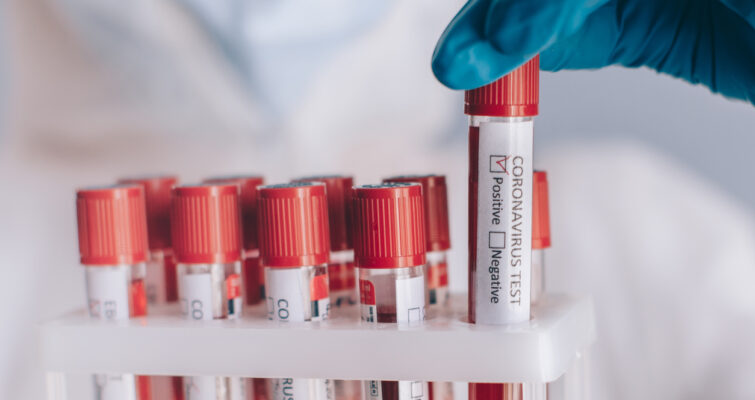
Doctors often use lab tests to look for specific signs of disease. For example, a blood test can show if you have an infection or a particular health problem. An X-ray can show a broken bone. These tests are very useful, but they don’t tell the whole story.
Chronic pain is not always caused by something obvious that a test can easily find. The pain you feel is real, but its source might be hidden deeper within your body’s systems. It’s like trying to find the source of a leak in your house. You can see the water damage on the wall, but the broken pipe might be hidden somewhere else entirely. Standard tests often only see the “water damage,” not the “broken pipe.”
For example, standard panels rarely assess nutritional deficiencies, hormonal imbalances, or environmental toxin exposure that can contribute to chronic inflammation and pain. These underlying factors may create the perfect storm for persistent pain while remaining invisible to routine testing.
Related: Chronic Pain Relief Without Relying on NSAIDs
Hidden Causes of Chronic Pain
Chronic pain often involves complex inflammatory cascades that operate below the threshold of detection for standard tests. These processes can persist for months or years, creating ongoing tissue damage and sensitization of pain pathways.
Neuroinflammation
Microglia, the immune cells that can cross from the body into the brain, can become chronically activated following injury, infection, or stress (1). This activation releases inflammatory signals that sensitize pain pathways, creating a self-perpetuating cycle of pain and inflammation.
Standard blood tests cannot measure microglial activity or neuroinflammation levels (2).
Fascia and Connective Tissue Inflammation
The fascial system—the connective tissue network surrounding muscles, organs, and other structures—can become inflamed and restrictive (3). This fascial inflammation often doesn’t show up on imaging or blood work but can cause widespread pain and movement restrictions.
Mast Cell Activation
Some individuals experience chronic mast cell activation, where these immune cells inappropriately release histamine and other inflammatory mediators. This can cause pain, fatigue, and numerous other symptoms while appearing normal on routine allergy and inflammatory tests.
Read: Can Turmeric Really Ease Pain?
Integrative Medicine’s Comprehensive Approach
If standard medicine isn’t finding the answers, there is another way. Integrative medicine offers a hopeful path forward. It combines the best of conventional medicine (like lab tests and prescriptions) with proven holistic approaches that focus on the whole person.
Functional Laboratory Testing
Integrative practitioners often use specialized tests that examine cellular function, nutrient status, and metabolic processes more thoroughly than standard panels. These might include:
- Advanced inflammatory markers such as interleukin levels, tumor necrosis factor-alpha, and other cytokines.
- Comprehensive nutrient assessments that evaluate not just basic vitamin and mineral levels but also how well the body utilizes these nutrients at the cellular level.
- Hormone panels that examine the complex interactions between stress hormones, sex hormones, and thyroid function—all of which can significantly impact pain and inflammation.
Read: Is It Perimenopause or a Thyroid Problem?
Environmental and Lifestyle Factors
Integrative medicine recognizes that chronic pain often results from multiple factors working together. Environmental toxins, chronic stress, poor sleep quality, and dietary sensitivities can all contribute to ongoing inflammation and pain (4).
Many integrative practitioners assess heavy metal exposure, mold toxicity, and chemical sensitivities that might contribute to chronic inflammatory states (5). They also evaluate sleep quality, stress levels, and emotional health as integral components of the pain experience.
The Gut-Brain-Pain Connection
The gut microbiome influences inflammation throughout the body, including neuroinflammation that can sensitize pain pathways.
- Increased intestinal permeability, often called “leaky gut,” allows inflammatory compounds to enter the bloodstream and trigger immune responses throughout the body (6). This systemic inflammation can contribute to chronic pain conditions.
- Dysbiosis—an imbalance in gut bacteria—can promote inflammation.
Integrative approaches often include comprehensive stool testing to assess microbiome diversity, inflammatory markers in the digestive tract, and markers of intestinal permeability that conventional medicine rarely evaluates.
Nutritional Deficiencies and Pain
Chronic pain can both result from and contribute to nutritional deficiencies. Pain itself increases metabolic demands while often reducing appetite and nutrient absorption (7). Meanwhile, deficiencies in key nutrients can perpetuate inflammatory processes and impair healing (8).
- Magnesium plays crucial roles in muscle relaxation, nerve function, and inflammatory regulation.
- Vitamin D functions more like a hormone than a vitamin, influencing immune function and inflammation throughout the body. Many people with chronic pain have suboptimal vitamin D (9).
- Omega-3 fatty acids are essential for producing anti-inflammatory compounds (10).
- B vitamins, particularly B12 and folate, are essential for nerve health and cellular energy production
Stress, Trauma, and the Pain Experience
Chronic stress and past trauma significantly influence pain perception and healing capacity.
The hypothalamic-pituitary-adrenal (HPA) axis regulates the body’s stress response. Chronic pain often involves dysregulation of this system, leading to abnormal cortisol patterns, disrupted sleep, and ongoing inflammation (11). Standard cortisol tests typically measure only morning levels, missing the complex daily patterns that reflect HPA axis function.
Personalizing Your Pain Recovery Strategy
Understanding that chronic pain often involves multiple, interconnected factors suggests that effective treatment requires a personalized, comprehensive approach rather than a one-size-fits-all solution.
Working with Integrative Practitioners
Integrative medicine providers often spend more time assessing lifestyle factors, environmental exposures, and systemic imbalances that contribute to chronic pain.
Advanced Testing Options
Discuss specialized testing options with your integrative team of practitioners. While these tests may not be covered by insurance, they can provide valuable insights into underlying inflammatory processes, nutritional status, and systemic imbalances contributing to pain.
Addressing Root Causes
Rather than focusing solely on symptom management, integrative or functional medicine doctors focus on addressing underlying factors that may be perpetuating pain. This might include optimizing nutrition, addressing gut health, managing stress more effectively, and reducing environmental toxin exposure.
You Can Take Control of Your Health
Living with chronic pain can make you feel powerless, but you have more control than you think. Understanding that hidden factors like inflammation, stress, and lifestyle are contributing to your pain is the first step toward feeling better.
Don’t lose hope if traditional tests haven’t given you a clear answer. Exploring integrative medicine could open the door to new solutions and a life with less pain. By looking at the whole picture, you and an integrative practitioner can work together to uncover the true roots of your pain and create a personalized plan to help you heal.